

Choosing the right windows affects comfort, energy bills, resale value, and even your home inspection results. This guide explains common window types, materials, glass options, and repair-vs-replacement decisions in simple Canadian English, so homeowners can make smart choices for every room and season.
Why Understanding Window Types Matters for Canadian Homeowners
Windows do much more than bring in light. In Canada, they help manage heat loss in winter, reduce overheating in summer, improve security, and shape the look of your home. When you understand window types, you can make better decisions about maintenance, upgrades, and home window installation that fit your budget and your climate.
Window choices also matter during a sale or purchase. Many issues found on a home inspection checklist involve drafts, failed seals, cracked glass, moisture damage, or windows that do not open properly. Whether you are reviewing a general home inspection checklist, a home inspection checklist Ontario buyers often use, or a home inspection checklist BC homeowners follow, windows are always a key area to check.
What buyers, sellers, and homeowners should look for
A good window review should include:
- Cracks, chips, or fogging between panes
- Soft or damaged frames caused by moisture
- Drafts around the sash or trim
- Locks, latches, and screens that do not work
- Windows that stick, slam shut, or will not stay open
These issues can affect comfort and safety, but they can also influence the outcome of a home inspection checklist. If problems are caught early, simple home window glass repair or hardware replacement may solve them before they turn into costly structural damage.
Why window knowledge helps beyond the glass
Many homeowners focus only on appearance, but the right window type can also improve ventilation, noise control, and cleaning access. It can even support other home upgrades. For example, if you are already improving curb appeal with new entry doors or even booking hamilton garage door repair, updating old windows can create a more complete and energy-efficient exterior.
At events like a home show Enercare homeowners may visit for renovation ideas, window efficiency is often a major topic. That is because older windows can quietly waste energy year after year. Learning the basics now helps you ask better questions before you buy.
Common Window Types and Where They Work Best
Each window style has strengths and trade-offs. The best choice depends on your room layout, ventilation needs, maintenance preferences, and local weather.
Casement windows
Casement windows open outward on hinges, usually with a crank. They are popular in Canadian homes because they seal tightly when closed, which helps reduce drafts in cold weather.
Best for:
- Kitchens, bathrooms, and bedrooms
- Homes needing strong ventilation
- Areas exposed to wind and winter weather
Pros:
- Excellent energy efficiency
- Wide opening for fresh air
- Clear outdoor views
Things to watch:
Crank mechanisms and hinges can wear out over time. If the frame is still in good shape, a repair is often enough. If the sash is warped or the seal has failed, home window glass replacement may be the better long-term fix.
Sliding windows
Sliding windows move side to side along a track. They are simple to use and common in basements, bedrooms, and modern homes.
Best for:
- Wide wall openings
- Rooms facing decks, walkways, or tight outdoor spaces
- Homeowners who want easy operation
Pros:
- Easy to open
- Fewer moving parts than some styles
- Good for contemporary designs
Things to watch:
Tracks can collect dirt and moisture. If not cleaned, the window may stick or fail to close tightly. That can show up during a home inspection checklist Ontario review, especially in older homes where maintenance has been delayed.
Double-hung and single-hung windows
These classic windows have one or two sashes that move vertically. In a single-hung window, only one sash moves. In a double-hung window, both can move, which improves airflow and cleaning.
Best for:
- Traditional and heritage-style homes
- Upper floors where cleaning access matters
- Families wanting controlled ventilation
Pros:
- Timeless appearance
- Good fit for many architectural styles
- Double-hung models are easier to clean from indoors
These windows can develop balance problems, loose weatherstripping, or frame movement over time. In some cases, targeted service from experienced doors and windows professionals can restore function without full replacement.
Awning windows
Awning windows are hinged at the top and open outward from the bottom. They are often installed higher on walls or paired with larger fixed windows.
Best for:
- Bathrooms and basements
- Extra ventilation during rain
- Homes needing privacy and airflow together
Pros:
- Can stay open in light rain
- Good weather resistance
- Compact and practical
Because they are smaller, awning windows are often affordable to maintain. Still, if you notice condensation between panes, it may be time for home window glass replacement rather than another temporary patch.
Picture and fixed windows
Picture windows do not open. Their main purpose is to bring in natural light and give a wide, unobstructed view. They are often used in living rooms, stairwells, and front-facing spaces.
Best for:
- Rooms with scenic views
- Homes wanting more daylight
- Spaces where ventilation comes from nearby windows
Pros:
- High energy efficiency due to no moving parts
- Clean, modern look
- Excellent light transfer
The main concern is glass damage or seal failure. If the frame remains solid, home window glass repair may be possible, depending on the extent of the problem and the age of the unit.
Frame Materials, Glass Options, and Repair Decisions
Choosing the right frame material
The frame matters just as much as the style. In Canada, vinyl is a common choice because it is affordable, low maintenance, and energy efficient. Wood offers a warm, classic look, but it needs more care to prevent rot and peeling. Aluminum is strong and sleek, though it may transfer more cold unless it has a thermal break. Fibreglass is durable and stable in changing temperatures, making it a strong option for long-term performance.
If your windows are older, frame condition should be part of your home inspection checklist BC or Ontario review. A solid frame may support a glass-only upgrade, while a damaged frame often means full replacement is smarter.
Understanding glass and energy performance
Modern windows often include double or triple-pane glass, low-E coatings, and argon gas fills. These features help reduce heat transfer and improve indoor comfort. In colder provinces, better glazing can make a noticeable difference in monthly heating costs.
Look for products that meet Canadian standards and are suitable for your climate zone. A professional installer can explain what is required by local codes and what makes sense for your home, especially if you are planning a full home window installation project.
When to repair and when to replace
Many homeowners ask the same question: should I repair the window or replace it? The answer depends on the age, damage, and overall condition.
Repair may be enough if:
- The issue is limited to hardware, caulking, or weatherstripping
- Only one pane is cracked
- The frame is still square and solid
- You need quick home window glass repair after minor damage
Replacement is often better if:
- The seal has failed in multiple units
- The frame has rot, warping, or water damage
- The windows are very old and inefficient
- You want better comfort, lower bills, and improved resale value
If you are unsure, it helps to get an expert opinion from a local team. Prime Core supports homeowners across Ontario with practical advice, repair solutions, and installation options. If you are comparing upgrades for the whole exterior, from windows to hamilton garage door repair, working with one trusted company can simplify the process. Learn more about the team on the about us page or explore more homeowner tips on the Prime Core blog.
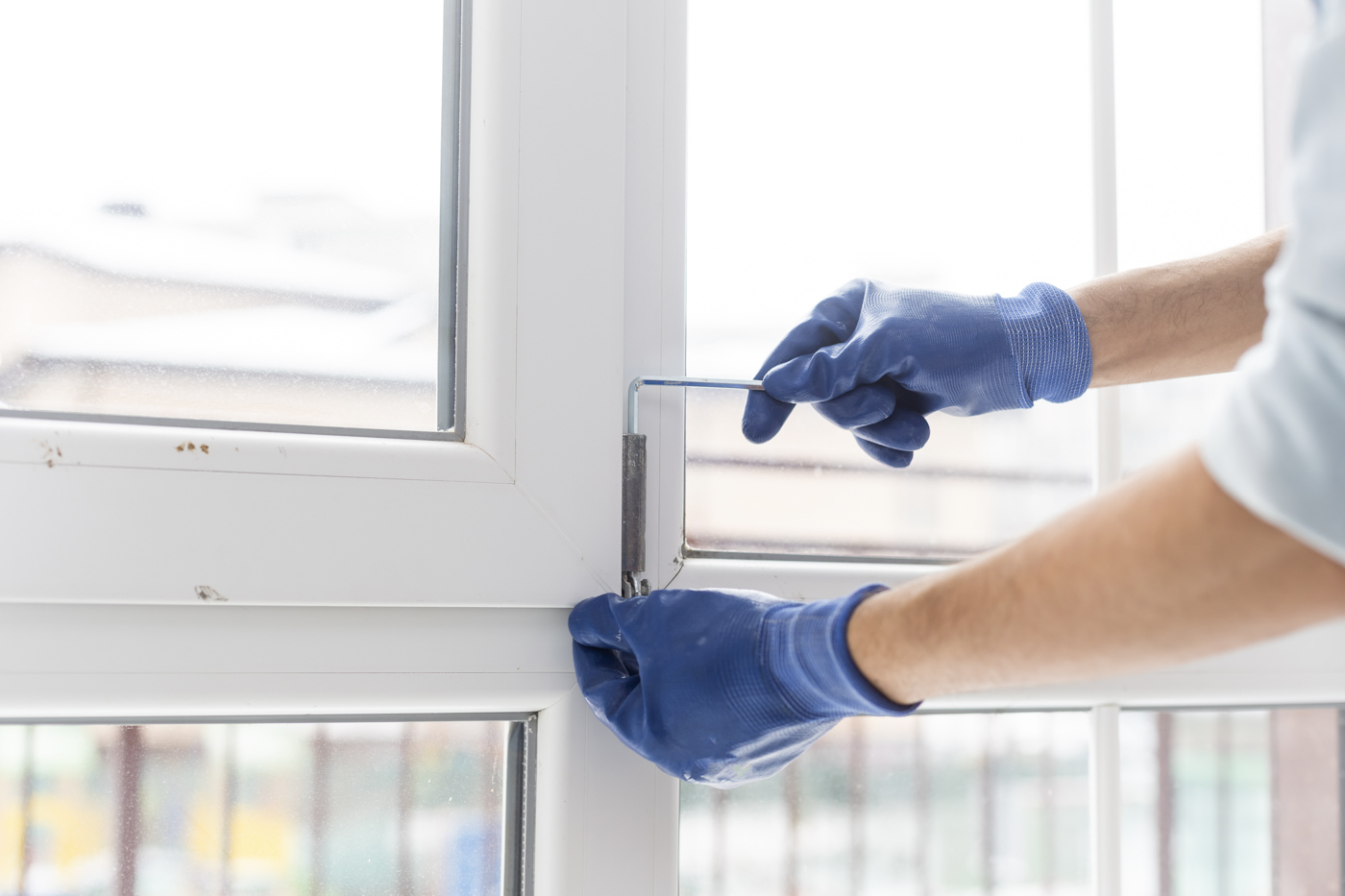
Specialty Window Types Homeowners Should Know
Beyond the most common styles, there are several specialty window types that can solve design problems, improve comfort, and add character to a home. These windows are often overlooked until a renovation starts, but understanding them early can help you avoid costly changes later.
Bay and bow windows
Bay and bow windows project outward from the wall, creating extra interior space and a broader outdoor view. A bay window usually has three sections, while a bow window uses more panels to create a gentle curve.
Best for:
- Living rooms and front-facing rooms
- Homes that need more natural light
- Homeowners who want a feature window with added depth
Pros:
- Adds visual appeal inside and out
- Can make a room feel larger
- Brings in light from multiple angles
These windows can become a strong selling feature, but they also need proper support, flashing, and sealing. In a Canadian climate, any weak point around a projecting window can lead to drafts or moisture problems. If you notice cold spots, staining near the trim, or movement in the frame, it is wise to have the area checked before damage spreads into the wall cavity.
Basement windows
Basement windows are often smaller, but they play a big role in ventilation, emergency escape, and moisture control. Common basement styles include sliders, hoppers, and awning windows. In finished basements, the right window can also improve comfort and make the space feel less closed in.
Best for:
- Finished and unfinished basements
- Laundry rooms and utility areas
- Lower-level bedrooms needing egress compliance
Many homeowners do not think about basement windows until they leak. However, these units deal with snow buildup, splashback, and shifting soil conditions. If a basement window well fills with water or the frame shows rust, rot, or mould, repairs should not be delayed. In some cases, simple sealing works. In other situations, proper window repair or replacement is the safer option.
Egress windows
An egress window is large enough to allow emergency escape, usually from a basement bedroom. This is not just a design choice. It can be a code and safety issue. Requirements vary by municipality and province, but Canadian homeowners should always confirm local building rules before converting a basement into a sleeping area.
If you are planning a renovation in Toronto, Markham, Kitchener, Barrie, Brampton, or Hamilton, egress sizing and window well requirements should be reviewed carefully. A window that looks acceptable may still fail to meet local standards for opening size or accessibility. That is one reason many homeowners choose home window installation by trained professionals instead of trying to manage code details alone.
Skylights and roof windows
Skylights and roof windows bring daylight into areas where standard wall windows are not possible. They can brighten hallways, lofts, bathrooms, and upper-floor rooms. Some open for ventilation, while others remain fixed.
Benefits:
- Increases daylight in dark areas
- Can reduce the need for artificial lighting during the day
- Adds a modern, open feeling to the home
The main concern with skylights is water penetration. Poor installation or aging seals can lead to leaks that stain ceilings and insulation. In snowy Canadian regions, freeze-thaw cycles can make these issues worse. If a skylight shows condensation, dripping, or discoloured drywall around the opening, a prompt inspection is important.
Transom and sidelight windows
These smaller decorative windows are often installed around entry doors. A transom sits above the door, while sidelights are placed on one or both sides. They add brightness to foyers and improve curb appeal.
Although they are smaller than main windows, they still need proper weather sealing and secure glass. If you are already planning entry upgrades, combining new windows with professional door installation services can create a more polished and energy-efficient front entrance.
How to Choose the Right Window Type for Each Room
Not every window works well in every space. A smart choice considers airflow, privacy, safety, cleaning access, and how the room is actually used every day. This is where many homeowners make better decisions when they move beyond appearance and focus on function.
Kitchen windows
Kitchens need ventilation, easy operation, and surfaces that are simple to clean. Over-the-sink windows should be easy to open without awkward reaching. That is why casement and sliding styles are common choices in this room.
Good kitchen options include:
- Casement windows for strong airflow
- Sliding windows for easy side-to-side use
- Awning windows where privacy and rain protection matter
If your kitchen gets too hot in summer or traps cooking odours, the problem may not only be your range hood. Poor window placement or a style with limited ventilation can also affect comfort.
Bathroom windows
Bathrooms need privacy, moisture resistance, and reliable airflow. Frosted glass, higher placement, and smaller operable windows are often the best fit. Awning windows are especially useful because they can stay open during light rain while still maintaining privacy.
In bathrooms, watch closely for peeling paint, soft trim, or black spots near the frame. These signs often point to excess humidity or poor sealing. Early repairs are much easier than replacing damaged framing later.
Bedroom windows
Bedroom windows should support ventilation, security, and emergency escape. In many homes, double-hung or casement windows work well because they provide airflow without taking up interior space. For basement bedrooms, egress rules are especially important.
Comfort also matters. Bedrooms with old or drafty windows often feel colder than the rest of the house in winter. Homeowners may blame insulation or the furnace, when the real problem is air leakage around aging frames or failed glass units.
Living room and family room windows
These spaces often benefit from larger windows that maximize light and views. Picture windows, bay windows, and combinations of fixed and operable units are common. The goal is usually to balance natural light with enough ventilation for spring and summer.
If your living room faces a busy street, glass performance matters as much as style. Upgraded glazing can help reduce outside noise, making the room more comfortable for everyday use.
Basement and utility room windows
These windows need to handle moisture, lower light levels, and limited space. Sliders and hoppers are common because they fit well in short wall sections. In utility areas, durability may matter more than appearance. In finished basements, however, comfort and code compliance become more important.
Homeowners planning lower-level renovations should assess all existing windows before finishing walls. It is much easier to upgrade old units before drywall, trim, and flooring are installed.
Energy Efficiency, Climate, and Canadian Performance Standards
In Canada, window performance is not just a comfort issue. It directly affects heating costs, condensation risk, and how your home handles long winters and humid summers. A window that works well in one climate may not be the best match in another.
Why energy-efficient windows matter in Canada
Canadian homes experience major seasonal swings. In winter, poor windows allow heat to escape and cold air to enter. In summer, they can let in unwanted heat and UV rays. Over time, this drives up utility bills and can make rooms uncomfortable no matter how much you adjust the thermostat.
Modern energy-efficient windows are designed to reduce these problems. Features may include:
- Double or triple-pane glazing
- Low-E coatings to reflect heat
- Argon or krypton gas between panes
- Warm-edge spacers to reduce condensation
- Improved frame insulation and sealing
For many homeowners, replacing even a few of the worst-performing windows can make a noticeable difference in comfort.
Understanding ENERGY STAR and Canadian ratings
When shopping for windows, homeowners often see ENERGY STAR labels and manufacturer performance data. These ratings can help compare products, but they should be understood in context. A high-performing unit still needs good installation to deliver the results promised on paper.
Canadian buyers should look at factors such as:
- U-value, which measures heat transfer
- Solar heat gain coefficient, which affects summer heat gain
- Air leakage ratings
- Condensation resistance
Different provinces and municipalities may also have specific expectations tied to building codes or renovation permit requirements. If you are unsure what applies in your area, contact our certified technicians for guidance on practical options that suit your home and local conditions.
How orientation affects window choice
The direction a window faces can change how it performs. South-facing windows may bring welcome winter sun, but they can also overheat rooms in summer if shading is poor. North-facing windows often receive less direct sun and may feel colder in winter. East and west exposures can create glare and uneven temperatures throughout the day.
This is why window planning should not focus only on one product for the whole house. In some homes, different rooms benefit from different glazing packages or opening styles based on sun exposure and airflow patterns.
Condensation: what it means and when to worry
Condensation is one of the most misunderstood window issues in Canada. A little interior condensation can happen during very cold weather, especially if indoor humidity is high. But persistent moisture can also point to poor ventilation, failed seals, or underperforming windows.
Common condensation scenarios:
- Moisture on the inside glass: often linked to indoor humidity
- Fogging between panes: usually a failed sealed unit
- Moisture around the frame or trim: may indicate air leakage or water entry
Fogging between panes is a strong sign that the insulated glass unit has failed. While some companies offer temporary fixes, homeowners usually get better long-term value from proper replacement or glass unit service.
Common Window Problems and What to Do About Them
Even a good window will not last forever without maintenance. Knowing the most common warning signs can help you act early and avoid larger repair bills.
Drafts and air leaks
If you feel cold air near a closed window, there may be worn weatherstripping, poor caulking, frame movement, or installation gaps. Drafts are more than a comfort issue. They can increase heating costs and make nearby rooms harder to use in winter.
DIY caulking can sometimes help, but it is not always the full solution. If the sash is warped or the locking system no longer pulls the window tight, the leak may continue until the underlying issue is repaired.
Windows that stick or will not open
This problem may be caused by dirt in the tracks, swelling from humidity, damaged balances, or frame shifting. A stuck window can become a safety concern, especially in bedrooms where emergency escape matters.
Before forcing a window open, inspect the tracks and hardware. Pushing too hard can crack glass, strip hardware, or make the repair more expensive.
Broken locks, cranks, and hardware
Many homeowners assume a window must be replaced when the real issue is just hardware failure. Crank handles, hinges, balances, rollers, and locks can often be repaired or replaced if the frame and sash remain sound.
This is one of the clearest examples of when repair can be more cost-effective than full replacement. If you need expert window repair, addressing hardware early can extend the life of your existing units.
Cracked glass and failed seals
Glass damage ranges from small chips to full cracks. Sometimes the frame is still in excellent shape, making glass replacement a sensible option. In other cases, the damage is part of a larger problem involving age, poor fit, or moisture intrusion.
Failed seals are especially common in older double-pane units. When the seal breaks, moisture gets between the panes and creates a foggy appearance that cannot be cleaned from inside or outside. This reduces visibility and insulation performance.
Rot, mould, and water damage
Wood frames are especially vulnerable to rot, but any window can suffer water-related damage if flashing or seals fail. Signs include soft trim, peeling paint, musty smells, staining, or visible mould growth. These issues should be treated seriously because they can affect not only the window but also the surrounding wall structure.
In many homes, water damage is first noticed during seasonal cleaning or a home inspection checklist review before listing a property for sale. Acting quickly can protect resale value and limit interior repairs.
Repair or Replace: Making the Smart Financial Decision
One of the biggest questions homeowners face is whether to repair a problem window or replace it entirely. The right answer depends on the age of the unit, the extent of the damage, and your long-term plans for the home.
When repair makes sense
Repair is often the better choice when the issue is isolated and the rest of the window is still performing well.
Repair is usually worth considering when:
- The frame is solid and square
- The problem is limited to hardware or weatherstripping
- Only one glass unit is damaged
- The window is relatively modern and energy efficient
- You want to extend the life of multiple windows without a full renovation
For homeowners preparing to sell, targeted repairs can also help improve appearance and function without a large upfront investment.
When replacement is the better investment
Replacement is often smarter when problems are widespread or the window is simply too old to perform well anymore.
Replacement is often best when:
- There is rot, warping, or major frame damage
- Several windows have failed seals
- The units are outdated and inefficient
- You are already renovating the room or exterior
- You want to improve comfort, value, and appearance at the same time
New windows can also support larger exterior upgrades. For example, homeowners improving curb appeal may coordinate window work with entry door changes, siding updates, or garage improvements for a more complete result.
Think beyond the upfront price
It is natural to compare repair and replacement based on immediate cost, but homeowners should also consider energy savings, maintenance needs, and how long the solution will last. A cheaper repair is not always the best value if the window will need major work again next year.
Likewise, full replacement should be planned carefully. The best outcome comes from choosing the right style, performance level, and installation method for your specific home rather than simply picking the lowest quote.
Installation Quality Matters as Much as the Window Itself
Even a high-quality window can perform poorly if it is installed incorrectly. Air leaks, water entry, poor operation, and premature wear are often linked to installation issues rather than product defects.
What proper installation should include
A professional installation typically involves careful measuring, removal of old materials, inspection of the rough opening, proper insulation, flashing, sealing, and final adjustment. The goal is not only to fit the new unit but to create a durable weather-tight connection with the home.
In older houses, installation can be more complex because openings may no longer be perfectly square. Hidden moisture damage may also be discovered once the old window is removed. This is another reason experienced installers add value beyond the product itself.
Signs of poor installation
- Drafts shortly after replacement
- Condensation around trim or frame edges
- Windows that are hard to open or lock
- Visible gaps, uneven trim, or sloppy caulking
- Water stains appearing after rain
If you notice any of these issues, do not ignore them. Small installation problems can lead to bigger moisture and insulation failures over time.
Why local experience matters
Canadian homes face weather conditions that demand good workmanship. Installers must account for freeze-thaw cycles, wind-driven rain, temperature swings, and local code expectations. A team familiar with homes in Toronto, Markham, Kitchener, Barrie, Brampton, Hamilton, and surrounding areas is better prepared to recommend suitable materials and methods.
That local knowledge is especially helpful in older neighbourhoods where homes may have settled or where previous renovations created uneven openings.
Practical Maintenance Tips to Help Windows Last Longer
A little maintenance can go a long way. Homeowners who inspect and care for their windows regularly often avoid bigger repair bills and keep their homes more comfortable year-round.
Seasonal maintenance checklist
Spring and summer:
- Clean tracks, screens, and weep holes
- Inspect caulking for cracks or separation
- Check for signs of insect damage or mould
- Wash glass and inspect for chips or fogging
