

RV and motorhome owners in Canada face unique security risks at campgrounds, storage lots, and on the road. This guide explains how to choose better RV locks, improve motorhome security, protect valuables during travel, and know when to call an RV locksmith for safer, more confident mobile living.
Why RV and Motorhome Security Matters in Canada
Owning a recreational vehicle gives you freedom to travel, camp, and enjoy mobile living on your own schedule. It also creates a different kind of security challenge. Unlike a standard house, an RV has several entry points, lighter construction, and lock systems that often wear out faster from weather, vibration, and regular use. For Canadian owners, that means RV locks and travel security should never be an afterthought.
Whether you use your unit for summer road trips in Ontario, long weekends in cottage country, or cross-province travel, good motorhome security helps protect your family, personal items, and peace of mind. Many factory-installed locks on older campers and motorhomes are basic. Some use common key codes, which can make forced entry or unauthorized access easier than many owners realize.
This is why many travellers now upgrade their mobile home locks, storage compartment latches, and main door hardware before the camping season begins. If you are unsure where your weak points are, professional locksmith services can help you assess your setup and recommend practical options for better vehicle security.
Common security risks for recreational vehicle owners
RV and motorhome owners often deal with a mix of everyday and seasonal risks. The most common include:
- Worn or loose entry door locks
- Storage bay doors with weak latches
- Lost, stolen, or copied keys
- Windows that do not fully latch
- Break-ins at campgrounds or storage facilities
- Lockouts while travelling far from home
These issues affect more than convenience. A weak lock on a recreational vehicle can expose tools, electronics, travel documents, and personal belongings. In some cases, it can also affect insurance claims if there is no sign of proper locking hardware or maintenance.
How Canadian conditions affect RV locks
Canada’s climate can be tough on hardware. Rain, road salt, humidity, freezing temperatures, and dust all shorten the life of travel locks. A lock that works fine in July may stick or fail during a cold autumn trip. Condensation and corrosion are also common in units stored for months at a time.
Owners should inspect locks before and after each travel season. Look for rust, stiffness, loose screws, misaligned strike plates, and cracked handles. If your key only works after jiggling or pushing the door inward, your lock may already be close to failure. In many cases, simple maintenance helps, but older systems may need a full replacement.
Choosing the Right RV Locks for Better Travel Security
The best RV locks depend on how you use your vehicle. A weekend camper may need a simple upgrade to the main entry lock, while a full-time motorhome owner may need a complete security plan that includes compartment locks, wheel protection, and key control. The goal is to make your recreational vehicle harder to access without permission while keeping daily use easy for you.
Main entry door locks
Your main door is the first place to start. Many stock RV locks are built for basic function, not high security. If your handle feels loose or the deadbolt does not engage smoothly, upgrading can make a real difference. Look for:
- Heavy-duty metal construction
- A separate deadbolt for added protection
- Weather-resistant finishes
- Better keyway design to reduce easy duplication
For many Canadian travellers, replacing a weak factory lock is one of the most cost-effective ways to improve motorhome security. It is a small change that can reduce risk at campsites, fuel stops, and overnight parking areas.
Compartment and storage locks
Exterior compartments often hold expensive gear, tools, hoses, batteries, and outdoor equipment. Unfortunately, these locks are usually simpler than the main entry system. If you rely on your RV for long trips, seasonal camping, or mobile living, these areas deserve attention too.
Upgraded compartment hardware can improve outdoor security and reduce the chance of quick theft. If one lock is damaged, rekeying multiple compartments to work with fewer keys can also make travel security easier to manage. For owners dealing with several worn locks at once, it helps to speak with an experienced RV locksmith and vehicle security specialist who understands mobile access systems.
Electronic and keyless options
Some newer RV locks offer keypad or remote entry features. These can be useful for families, rental units, or owners who frequently misplace keys. Keyless entry may also reduce lockouts during camping trips, especially when several people need access.
However, not every electronic system is right for every recreational vehicle. Battery life, weather exposure, and installation quality all matter. In colder Canadian regions, electronics should be chosen carefully to handle changing temperatures. A good setup balances convenience with strong mechanical backup in case power fails.
Are smart locks a good fit for motorhomes?
They can be, but only if the product is designed for RV use. A smart lock made for a house may not stand up well to vibration, moisture, or thin RV door construction. Before buying, check compatibility, weather rating, and emergency override options.
Key control and spare key planning
One of the simplest travel security steps is also one of the most overlooked: key management. Many lockouts happen because owners keep all keys on one ring or leave a spare in an obvious place. Good habits include:
- Keeping one spare key in a secure hidden location
- Giving a backup to a trusted family member
- Labelling keys discreetly
- Replacing locks after buying a used motorhome
If you recently purchased a pre-owned unit, rekeying is a smart move. You do not know how many copies of the old keys exist or who may still have access. This is especially important for mobile home locks, cargo doors, and trailer coupler locks.
Practical Camping Security Tips for Safer Mobile Living
Strong RV locks are important, but good habits matter just as much. Travel security works best when hardware, routine, and awareness all work together. Whether you camp at serviced parks or remote sites, a few simple steps can reduce risk and help you enjoy the trip.
Check your surroundings before you park
When arriving at a campground or overnight stop, take a minute to assess the area. Choose well-lit spaces when possible. Avoid isolated corners if you are carrying bikes, generators, or other valuable gear. If the site has visible damage to gates, fencing, or shared facilities, be extra careful with outdoor security and storage practices.
For added peace of mind, many travellers also use motion lights, steering wheel locks, hitch locks, or small alarms. These are not replacements for quality RV locks, but they add another layer of vehicle security.
Secure windows and secondary access points
Doors are not the only weak spots. Sliding windows, emergency exits, and service panels should be checked before every trip. A loose latch or damaged frame can turn into a simple access point for thieves. If your unit has worn seals, cracked hardware, or sticking frames, proper door and window security solutions can help you address the issue before it becomes a bigger problem.
Window coverings also matter. If expensive items are visible from outside, your RV becomes a more attractive target. Keep laptops, wallets, and electronics out of sight whenever you leave the vehicle.
Know when to call a professional
DIY maintenance is useful for cleaning and basic inspection, but some jobs are better left to a trained technician. If your lock is misaligned, the key snaps, the latch binds, or the door frame shifts, forcing a repair can make the problem worse. A professional can identify whether the issue is the cylinder, handle, strike alignment, or door structure itself.
If you need local help, you can contact Prime Core for support with lock upgrades, rekeying, and security concerns. For homeowners who store their RV at home, it is also worth reviewing gate access, garage entry points, and perimeter lighting around the property. More tips and service information are available through Prime Core Canada.
With the right mix of better hardware, regular checks, and smart travel habits, Canadian RV owners can protect their recreational vehicle more effectively and travel with greater confidence.
Seasonal Maintenance for RV Locks and Mobile Home Locks
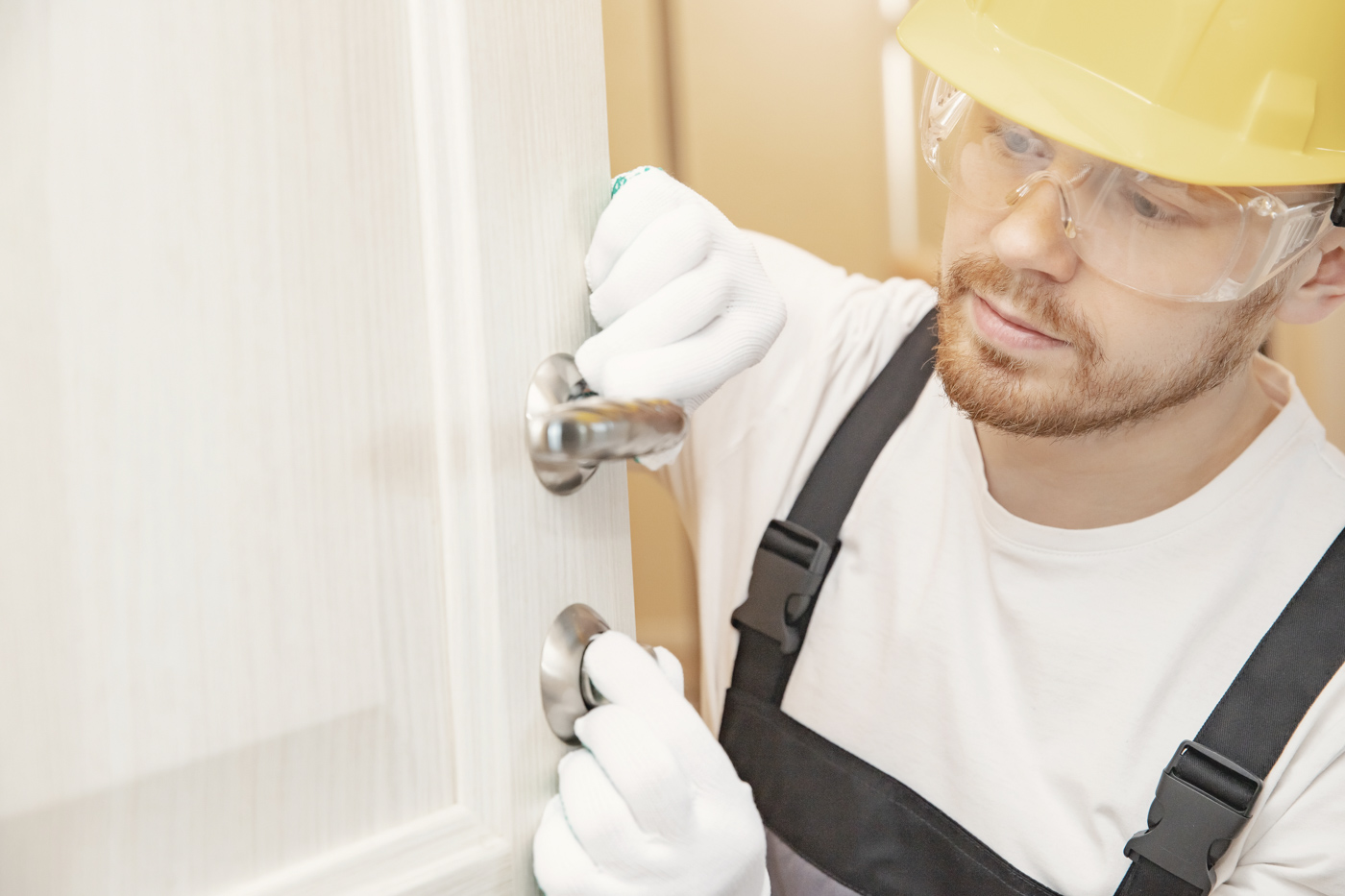
Good RV locks do not stay reliable on their own. Dust, moisture, road grime, and constant movement all affect how well your lock hardware performs. For Canadian owners, seasonal maintenance is one of the easiest ways to improve motorhome security and avoid lock problems during a trip.
What to inspect before and after travel season
At the start of spring and again before winter storage, inspect every lock on your recreational vehicle. This includes the main door, baggage doors, fuel access panels, hitch locks, and any travel locks used on storage boxes or bike racks. Check for signs of rust, loose fasteners, cracked housings, and keys that no longer turn smoothly.
If a lock feels stiff, do not force it. Pressure can damage the key or the cylinder. Instead, clean the area and test alignment. In many RVs, vibration from long drives causes minor shifting in the door or frame, which can make a good lock feel faulty. If the latch misses the strike plate or the deadbolt scrapes badly, the issue may be alignment rather than the lock itself.
Safe cleaning and lubrication tips
Not every lubricant is suitable for RV locks. Heavy oil can attract dirt and make the problem worse over time. In most cases, a dry graphite or lock-specific lubricant is the better choice. Wipe away debris first, apply a small amount, and test the key gently. This simple step can extend the life of your mobile home locks and improve travel security throughout the season.
Also inspect the surrounding hardware. Handles, hinges, screws, and weather seals all support proper locking. If water gets into the door assembly, corrosion can spread quickly. For broader home and property upgrades that support secure storage and access, many owners also explore home improvement and security solutions before parking an RV for the off-season.
When maintenance is not enough
If a key sticks repeatedly, the lock turns without opening, or the handle feels loose in your hand, replacement may be the smarter option. Temporary fixes can fail at the worst time, especially during a long trip or in bad weather. A worn lock on a recreational vehicle should be treated as a security issue, not just an inconvenience.
Storage Lot, Driveway, and Campsite Security Strategies
Many RV thefts and break-ins do not happen while people are sleeping inside the unit. They happen when the vehicle is parked and left unattended. That is why camping security should include plans for storage lots, home driveways, and seasonal campsites.
Protecting your RV in storage
When storing a motorhome or trailer, choose a facility with controlled access, lighting, cameras, and clear management policies. Even with these features, your own vehicle security measures still matter. Lock all doors, remove valuables, close blinds, and use visible deterrents such as hitch locks or wheel locks.
It is also smart to avoid leaving registration papers, spare keys, and garage remotes inside the unit. If someone gains entry, those items can create bigger risks at home. For owners who keep an RV on their property, secure exterior access matters too. Well-maintained gates, entry doors, and lighting can reduce opportunity, and proper door repair services may help if nearby access points are worn or unreliable.
Driveway security for mobile living
Parking at home feels safer, but it is not risk-free. A recreational vehicle in the driveway can attract attention, especially if tools, generators, or sporting gear are stored inside. Motion-sensor lighting, cameras, and visible locking devices are useful additions. If your RV is parked beside a garage or fence, make sure those areas do not create hidden access points.
Canadian homeowners should also think about winter conditions. Ice buildup, drifting snow, and repeated freeze-thaw cycles can affect both RV locks and nearby gates. A lock that is difficult to open in January may fail completely by spring if ignored.
Safer habits at campgrounds and roadside stops
Camping security is not only about hardware. It is also about routine. When leaving your site, lock the main door, secure windows, and store portable items out of sight. At fuel stations or rest areas, even a short stop is enough time for quick theft if a compartment is left open.
Try not to advertise your schedule. Posting live updates about your location can make your travel security weaker, especially during longer trips. Wait until after you leave a site before sharing photos online. Small habits like this support stronger outdoor security and help protect your mobile living setup.
Extra protection for high-value gear
If you carry bikes, tools, propane accessories, or portable power stations, use separate locks for each category of gear. Layered protection makes theft slower and more noticeable. It also means one compromised lock does not expose everything you own.
When to Upgrade or Call an RV Locksmith
Some lock issues can be managed with cleaning and minor adjustments. Others call for expert help. If your key has broken off, your compartment locks no longer match, or your entry door has been tampered with, it is time to speak with a professional. An experienced RV locksmith can recommend hardware that fits your unit properly and performs better in Canadian conditions.
Signs your current RV locks need an upgrade
You should consider new RV locks if:
- Your current locks use common factory keys
- The deadbolt no longer lines up properly
- You bought a used motorhome and do not know who has copies
- Compartment locks are inconsistent or damaged
- You have had a recent lockout or attempted break-in
Upgrading is often more affordable than dealing with repeated repairs, stolen gear, or damaged doors. Better travel locks can also make daily use easier when they are matched, rekeyed, or designed for smoother operation.
Why professional service matters
RV doors and lock assemblies are different from standard house doors. The materials are lighter, the tolerances are tighter, and the hardware has to handle road movement. A proper installation reduces the chance of poor fit, binding, or water entry around the lock area. If you need help with rekeying, replacement, or lockout support, professional locksmith services in Canada can save time and help you avoid damage.
For travellers in Ontario and nearby communities, local support matters when timing is important. If you want to check service coverage before booking, visit the Prime Core service locations page to see where assistance is available.
Choosing practical upgrades for your travel style
The best motorhome security plan depends on how you use your vehicle. Weekend campers may only need a stronger main lock and better spare key control. Full-time travellers may benefit from rekeyed compartments, upgraded latches, wheel locks, and improved lighting around storage areas. Families may prefer keypad access for convenience, while solo travellers may focus more on visible deterrents and fast lock operation during overnight stops.
Whatever your setup, the goal is the same: protect your recreational vehicle without making daily use difficult. Stronger vehicle security supports safer trips, fewer lockouts, and more confidence whether you are parked at a lakeside campground or storing your unit between seasons.
Reliable RV locks, smart camping security habits, and timely maintenance all play a part in safer mobile living. If your locks are outdated, damaged, or no longer giving you peace of mind, Prime Core can help with practical solutions tailored to Canadian conditions. To discuss lock upgrades, rekeying, or travel security concerns, contact Prime Core and get expert support for your RV or motorhome.
