

Learn when it’s time to call a professional locksmith for a home security assessment. This guide covers everything from lock inspections to full security audits, helping Canadian homeowners protect their property with expert advice and practical solutions.
Why a Home Security Assessment Matters
As a Canadian homeowner, your home is more than just a place to live—it’s your safe space. Keeping it secure should be a top priority. One of the most effective ways to ensure your home is well protected is with a home security assessment. Whether you’re moving into a new house, upgrading your locks, or just looking for peace of mind, a proper security evaluation can reveal hidden vulnerabilities and help you take action before a break-in ever occurs.
What Is a Home Security Assessment?
A home security assessment is a comprehensive review of your property’s current security measures. It includes examining locks, doors, windows, lighting, and other entry points to determine how secure your home really is. A professional home locksmith can assess weak spots, recommend improvements, and provide expert security advice tailored to your specific needs and property layout.
Why It’s Essential for Canadian Homes
Canadian homes face unique security challenges due to varying weather conditions, seasonal occupancy, and regional crime patterns. For example, in provinces like Ontario or British Columbia, suburban areas may experience more break-ins than urban condos. A local locksmith familiar with Canadian standards and building codes can provide a safety assessment that meets both national and provincial security expectations.
Benefits of a Professional Security Evaluation
- Identifies vulnerabilities before they become problems
- Improves peace of mind for you and your family
- May reduce home insurance premiums
- Ensures compliance with Canadian residential safety standards
- Offers personalised security advice and upgrade options
When to Call a Professional Locksmith
While some aspects of security can be DIY, many situations call for the expertise of a trained locksmith. Knowing when to call a professional locksmith can make a big difference in your home’s safety and your family’s well-being.
After Moving Into a New Home
One of the first things you should do when moving into a new house is schedule a lock inspection. You don’t know who still has keys to your new home—previous owners, real estate agents, or even contractors. A local locksmith can help by rekeying or replacing all external locks and performing a full security audit to ensure you’re starting fresh with strong protection.
Following a Break-In or Attempted Break-In
If your home has been broken into—or if someone tried and failed—it’s critical to get a security consultation right away. A professional locksmith service can examine how the intruder gained access and recommend immediate upgrades, such as high-security deadbolts or smart locks.
When You Notice Worn-Out or Damaged Locks
Over time, locks can become rusty, loose, or misaligned due to weather exposure or frequent use. If your locks stick, jiggle, or feel loose, it’s time to call in the experts for a lock upgrade. A worn-out lock is an easy target for break-ins and may not meet current safety standards.
After Losing Your Keys
Lost keys can be more than just a headache—they’re a security risk. If you’ve misplaced your keys and can’t be sure they’re gone for good, it’s wise to schedule a lock inspection or even a full rekeying. An experienced home locksmith can advise you on the best course of action to keep your home secure.
During Home Renovations or Upgrades
Renovations are the perfect time to think about improving your residential security. If you’re installing new doors or windows, it makes sense to assess and update the locks at the same time. A security audit can ensure that your new features don’t compromise your home’s safety.
For Seasonal Homes or Cottages
In Canada, many homeowners have seasonal properties. Whether it’s a lakeside cottage in Muskoka or a ski chalet in Whistler, these homes are often left unattended. A security consultation can help you safeguard these properties with smart locks, alarm systems, and reinforced entry points.
What’s Included in a Professional Security Audit
When you hire a locksmith for a professional security audit, you’re getting more than just a quick look at your locks. A full assessment will cover all the key areas that impact your home safety.
Exterior Doors and Locks
All entry doors will be examined for lock quality, door frame strength, and proper installation. The locksmith may recommend a lock upgrade to high-security deadbolts or smart locks that provide better access control and durability during Canadian winters.
Key Things Assessed:
- Type of lock (standard, deadbolt, smart lock)
- Strike plate strength and alignment
- Door material and condition
- Weather-stripping and insulation
Windows and Secondary Entrances
Windows are often overlooked yet are common points of entry for intruders. A professional locksmith will inspect window locks, basement doors, garage doors, and even pet doors for potential weaknesses.
Recommended Upgrades:
- Window locking mechanisms
- Reinforced basement door locks
- Garage side-door deadbolts
Lighting and Visibility
Good lighting is a powerful deterrent. During the safety assessment, the locksmith may suggest motion-sensor lights or improved exterior lighting. This is especially useful in areas with long winter nights.
Security Systems and Alarms
If you already have a home alarm system, the locksmith can check its integration with locks and entry points. If you don’t have one, they may recommend options that suit your home size and budget.
Smart Home Integration
Many Canadian homes are moving toward smart security. A home security assessment will include advice on integrating smart locks, video doorbells, and remote monitoring systems. These tools offer convenience and real-time alerts, especially useful for frequent travellers or cottage owners.
Fire and Emergency Exits
Safety isn’t just about keeping intruders out—it’s also about getting out safely in an emergency. A thorough evaluation includes checking that all exits are functional, accessible, and up to code. This is particularly important for older homes or those with basement suites.
DIY vs. Professional Security Evaluations
While you can perform a basic home safety check on your own, there are many advantages to hiring a licensed locksmith for a full security audit. Let’s compare the two approaches.
DIY Home Security Checks
Here are some things you can do on your own:
- Check for broken or loose locks and handles
- Ensure all windows close securely
- Test motion lights and replace dead bulbs
- Trim shrubs around entry points for better visibility
While helpful, these actions may not catch deeper issues such as lock grade, structural weaknesses, or outdated hardware that no longer meets Canadian standards.
Benefits of Hiring a Professional Locksmith
- Detailed lock inspection of all access points
- Knowledge of Canadian residential security best practices
- Access to commercial-grade lock hardware
- Tailored security advice for your home layout
- Professional installation of smart locks and systems
If you’re unsure where to start, contact our certified technicians for a thorough security evaluation that fits your needs and budget.
Cost Considerations in Canada
The cost of a home security assessment varies depending on your home’s size, location, and existing security features. In general, basic assessments start around $100–$200. More comprehensive audits that include smart system integration or multiple lock upgrades can range higher. However, these costs are small compared to the value of peace of mind and potential loss prevention.
When You Shouldn’t Wait
Some situations demand immediate action. Call a locksmith right away if:
- Your home was recently broken into
- Your keys are lost or stolen
- You’ve moved into a new house
- Your locks are visibly damaged or malfunctioning
- You’re leaving for an extended vacation
These are not times to delay. A quick professional locksmith service can often be scheduled the same day to restore your home’s security quickly and efficiently.
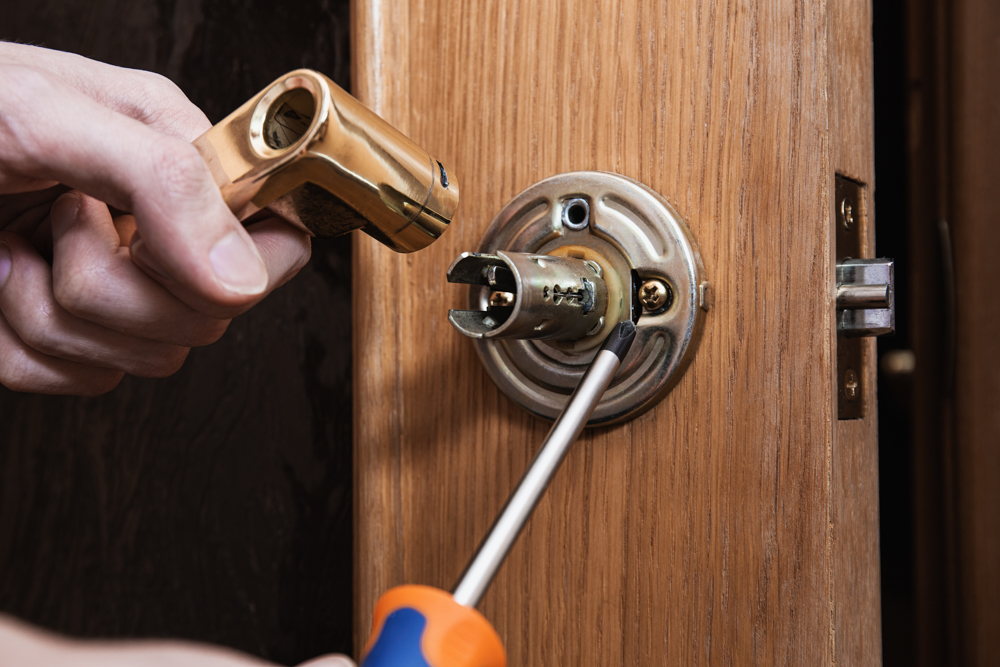
How to Prepare for a Home Security Assessment
Before scheduling a home security assessment, it’s helpful to prepare in advance. This ensures the locksmith can perform a thorough evaluation and provide accurate recommendations. A bit of preparation on your part can go a long way in making the process smoother and more effective.
Take Inventory of Your Current Security Features
Start by listing all the existing security measures in your home. This includes locks on doors and windows, alarm systems, cameras, motion-sensor lights, and any smart home devices. Make note of any features that aren’t working properly or are outdated. This inventory helps guide the security consultation and ensures nothing is missed during the assessment.
Identify Areas of Concern
Think about any specific security concerns you have. For instance, do you have a side door that feels vulnerable? Are your back windows easily accessible from the yard? Have you noticed signs of tampering or suspicious activity in the neighbourhood? Sharing these concerns with your professional locksmith service allows them to tailor the safety assessment to your home and lifestyle.
Clear Access to Entry Points
Make sure all doors, windows, and other access points are easily accessible for inspection. Move any furniture or objects that may block the entrance, and ensure the locksmith can easily examine frames, locks, and hinges. This saves time and ensures a complete lock inspection.
Have Questions Ready
Use the assessment as an opportunity to get expert security advice. Prepare a list of questions in advance, such as:
- Are my current locks up to Canadian security standards?
- Would my home benefit from a lock upgrade?
- What smart security options are best for my home?
- How can I better secure my garage or basement?
Getting answers to these questions from a qualified home locksmith can make a big difference in your overall security strategy.
Choosing the Right Locksmith for a Security Evaluation
Not all locksmiths offer the same level of service or expertise. When it comes to a thorough security evaluation of your home, it’s important to choose a licensed, experienced, and local professional who understands Canadian standards and residential needs.
Look for Certification and Licensing
In Canada, locksmiths must meet provincial licensing requirements, which vary by region. Make sure the locksmith you hire is licensed and insured. This not only ensures credibility but also guarantees that the work will meet local building codes and safety regulations.
Choose a Local Locksmith
Working with a local company like Prime Core’s professional locksmith services means you’re getting someone who understands the unique security challenges in your community—whether it’s urban Toronto, suburban Calgary, or a rural town in Nova Scotia. Local expertise matters when it comes to crime trends, weather-related wear on locks, and regional construction styles.
Check Reviews and References
Word of mouth is powerful. Look for reviews on Google or testimonials on the company’s website. Ask for references if you’re unsure. A reputable locksmith will have a strong track record of satisfied customers and successful security audits.
Ask About Services Offered
Ensure the locksmith offers a full suite of residential services, including:
- Lock inspection and replacement
- Security consultation and planning
- Smart lock installation and integration
- Emergency lockout services
A comprehensive provider will be able to help you both now and down the road as your residential security needs evolve.
Top Security Recommendations from Canadian Locksmiths
After completing thousands of home assessments across the country, locksmiths like those at Prime Core often see the same weak points and offer similar security advice. Here are some of the most common recommendations made during a home security assessment in Canada:
1. Upgrade to High-Security Deadbolts
Standard locks may not be strong enough to deter modern intruders. High-security deadbolts are more resistant to picking, bumping, and drilling. Many Canadian homes still use Grade 3 locks—the lowest security rating. A lock upgrade to Grade 1 or smart deadbolts can significantly improve your home safety.
2. Rekey or Replace All Exterior Locks
Especially after moving into a new home or losing keys, rekeying is essential. Even if the locks are in good shape, changing the keys ensures no one else has access. If locks are older or not functioning smoothly, a full replacement is a better option.
3. Install Reinforcement Plates and Strike Boxes
Even the strongest lock can fail if the door frame is weak. Reinforcement hardware, like metal strike plates and box kits, fortifies the doorframe and makes forced entry much more difficult. This simple upgrade is often overlooked but highly effective.
4. Secure Sliding Doors and Basement Entrances
Sliding patio doors and basement windows are common break-in points. Install secondary locks, security bars, or anti-lift devices to prevent easy access. Basement doors should have the same level of security as your front entrance.
5. Use Smart Locks for Remote Access
Smart locks allow you to manage access from your phone, create temporary codes for guests or contractors, and receive alerts when someone enters. They’re a great fit for busy families or homeowners with seasonal properties.
6. Improve Outdoor Lighting and Visibility
Motion-sensor or dusk-to-dawn lighting around entrances, walkways, and garages can deter intruders. Make sure all entrances are well-lit, and consider adding cameras or video doorbells for added visibility and peace of mind.
7. Conduct Regular Security Audits
Security isn’t a one-time project. As your home ages and technology evolves, periodic security audits help ensure your protection keeps pace. It’s a good idea to schedule an annual check-up or after any major change to your property.
Security for Special Situations
Every home is different, and so are its security needs. Whether you’re living in a downtown condo, a countryside farmhouse, or a seasonal cabin, residential security must be tailored to your situation.
Security for Seniors
Seniors may need easier-to-use locks, like lever handles or keyless entry systems. A home locksmith can recommend solutions that improve both safety and accessibility, such as peepholes at appropriate heights or emergency quick-release locks.
Security for Families With Young Children
If you have little ones, you may want to childproof doors and windows. Window guards, high-mounted locks, and smart locks with parental controls can make your home safer for kids while still keeping intruders out.
Security for Rental Properties and Basement Suites
If you rent out part of your home, you have additional responsibilities. Separate keys, restricted access, and proper fire exits are all essential. A lock inspection will ensure you’re compliant with Canadian building codes and that your tenants are secure.
Security for Remote or Rural Homes
Homes in remote areas may not benefit from quick emergency response times. Reinforced locks, alarm systems with remote alerts, and strong exterior lighting are especially important. A security consultation can help you plan for these unique challenges.
Taking Action: What to Expect After Your Assessment
Once the home security assessment is complete, your locksmith will provide a detailed summary of findings and recommendations. Here’s what typically happens next:
Review of Findings
The locksmith will walk you through any vulnerabilities they found and explain what can be improved. This may include door weaknesses, lock issues, or areas with poor visibility.
Tailored Security Plan
Based on your home and lifestyle, the locksmith will recommend specific upgrades. This could include a lock upgrade, installing smart locks, reinforcing frames, or adding new lighting. You’ll also receive tips on good habits to maintain home safety.
Installation and Follow-Up
If you choose to proceed with the upgrades, the locksmith can often install new hardware on the spot or schedule a follow-up visit. Reputable companies like Prime Core will also offer warranties and support for the new systems installed.
Conclusion: Protect Your Home with Confidence
Your home is one of your most important investments, and protecting it starts with a comprehensive home security assessment. Whether you’re responding to a specific event like a break-in or simply want peace of mind, a professional security evaluation can uncover vulnerabilities and provide practical, cost-effective solutions.
From lock inspections and security audits to full lock upgrades and smart system installations, working with a trusted local expert ensures your residential security meets the highest Canadian standards. It’s not just about locks—it’s about safety, comfort, and knowing your family and property are protected.
If you’re ready to improve your home’s defences or simply want a second opinion, contact our certified technicians at Prime Core. We offer reliable, professional locksmith services across Canada tailored to your unique needs.
Don’t wait for a problem to arise—take action today and secure your home with the help of experienced professionals who care about your safety as much as you do.
