

Lock picking awareness helps homeowners understand how locks can be tested, where common lock vulnerabilities exist, and what practical protection methods improve home security. This guide explains lock security in simple terms so you can make smarter choices about pick-resistant locks, maintenance, and professional upgrades.
Why Lock Picking Awareness Matters for Home Security
Lock picking awareness is not about teaching break-in methods. It is part of practical security education that helps Canadian homeowners understand how some locks fail and how better choices can improve everyday safety. When you know the basics of lock vulnerabilities, you can make more informed decisions about your front door, side entrance, garage access, and even interior security points.
Many people assume a locked door is automatically secure. In reality, lock security depends on several factors, including lock quality, installation, door strength, frame condition, and ongoing maintenance. A weak lock on a solid door is still a problem, and a strong lock on a damaged frame may not offer the protection you expect. That is why security knowledge matters just as much as the hardware itself.
For homeowners across Canada, from busy urban areas to quieter neighbourhoods, awareness training starts with understanding that not all locks offer the same level of resistance. Some basic residential locks are designed mainly for convenience and affordability. Others are built with advanced internal features that improve lock protection and reduce the chance of tampering.
What lock picking awareness really means
In simple terms, lock picking awareness means recognizing that locks have design differences, wear over time, and may contain weak points. This type of security consciousness helps homeowners ask better questions, such as:
- Is this lock suitable for an exterior door?
- Has the lock become easier to manipulate because of age or damage?
- Does the strike plate and frame support the lock properly?
- Would pick-resistant locks provide better protection for my home?
This is useful security education because it shifts the focus from fear to prevention. Instead of worrying about every possible threat, homeowners can take practical steps to improve lock security and reduce avoidable risks.
Common lock vulnerabilities homeowners should know
Most lock vulnerabilities come from one of three issues: low-quality hardware, poor installation, or long-term wear. A bargain lock may have fewer security features and looser internal tolerances. Poor installation can leave gaps, misalignment, or weak anchoring in the frame. Wear and tear may cause parts to loosen, making the lock less reliable over time.
Environmental conditions also matter in Canada. Cold winters, moisture, and seasonal expansion and contraction can affect doors and locking systems. A door that swells in damp weather or shifts during freeze-thaw cycles may place extra stress on the lock. Over time, this can reduce smooth operation and affect overall lock protection.
Another overlooked issue is using the wrong lock for the application. For example, a basic interior-grade lock should never be relied on for an exterior entry point. Homeowners planning upgrades can explore professional locksmith services to assess whether their current hardware matches the security needs of the property.
Signs your lock may need attention
Watch for these warning signs that may point to reduced lock security:
- The key sticks, turns roughly, or feels loose
- The deadbolt does not extend smoothly
- The door and frame are no longer aligned properly
- Visible rust, wear, or damage appears around the cylinder
- The lock feels light, flimsy, or outdated compared to modern standards
If you notice one or more of these issues, it may be time for maintenance, rekeying, or replacement. Early action is one of the simplest protection methods available to homeowners.
How Residential Locks Work and Why Some Resist Tampering Better
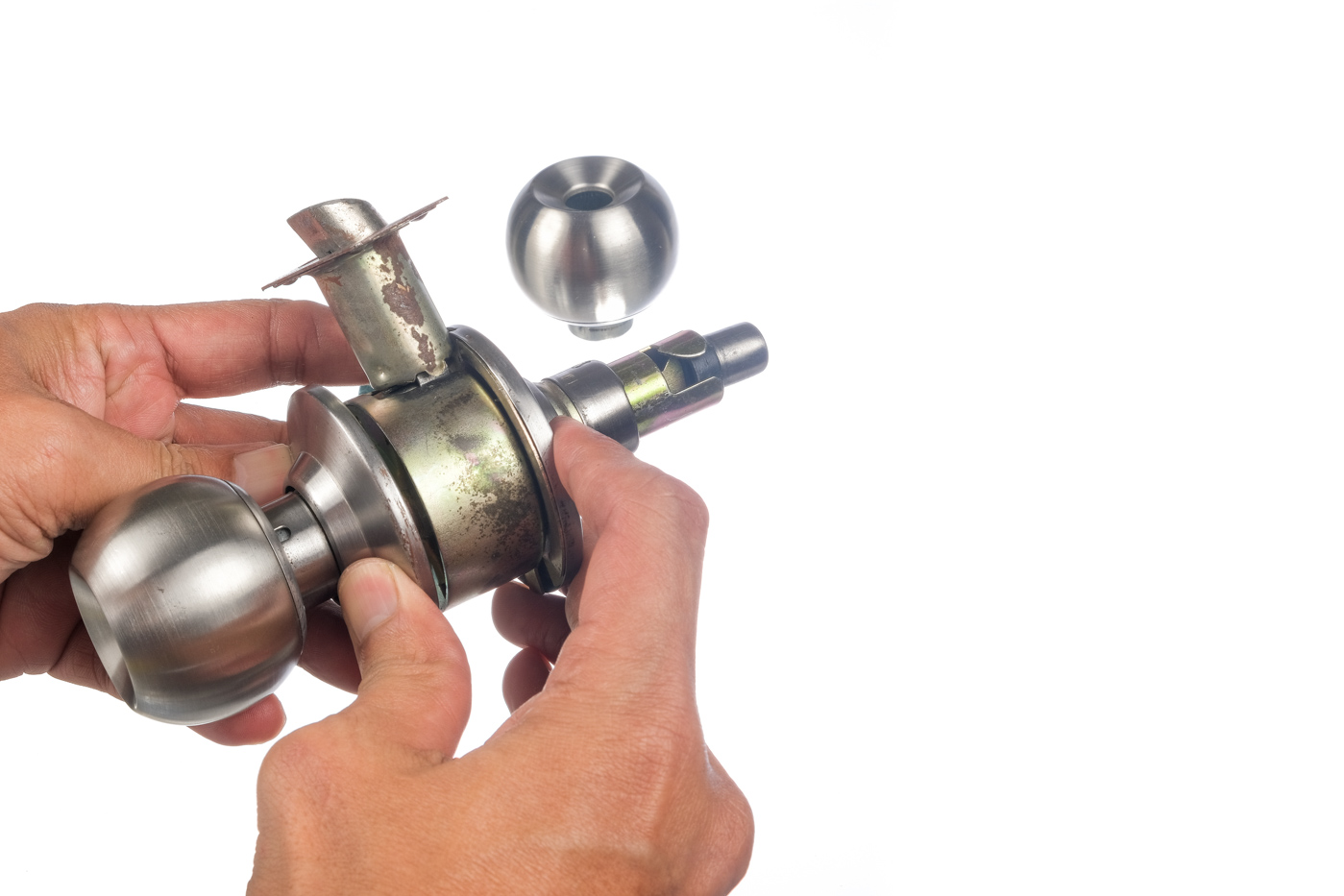
Basic security knowledge becomes much easier when you understand how a common residential lock functions. Most homes use pin tumbler locks. Inside the cylinder are small pins and springs that must align correctly before the plug can rotate. When the right key is inserted, the cuts on the key lift the pins to the proper height, allowing the lock to turn.
From a security education standpoint, the important point is this: the internal design of the lock affects how resistant it is to manipulation. Better locks often include tighter manufacturing tolerances, stronger components, and special security pins that make tampering more difficult.
Why some locks are more secure than others
Higher-quality locks are usually built to resist common forms of forced entry and tampering better than entry-level products. Pick-resistant locks may include spool pins, serrated pins, reinforced cylinders, restricted keyways, and anti-drill features. These additions do not make a lock “unbeatable,” but they can significantly improve lock protection and increase the time and effort needed to compromise the hardware.
This matters because home security is often about layers. A stronger lock, combined with a solid door, reinforced strike plate, proper lighting, and good habits, creates a much better overall defence. Homeowners interested in broader upgrades can also review door and window security solutions as part of a complete protection plan.
The role of installation in lock security
Even a premium lock can underperform if it is installed incorrectly. Proper alignment is essential. If the deadbolt does not enter the strike cleanly, the lock may wear faster or fail to secure the door fully. Screws that are too short, loose hardware, or a weak frame can all reduce the real-world value of the lock.
In Canada, installation quality should also reflect local building expectations and the realities of weather exposure. Exterior doors should close firmly, seal properly, and support the lock without twisting or sagging. In some homes, improving the door frame or replacing worn components is just as important as upgrading the cylinder itself.
Features to look for in pick-resistant locks
If you are comparing options, look for these features:
- ANSI or BHMA graded hardware where applicable
- Deadbolts with hardened internal components
- Security pins designed to resist manipulation
- Reinforced strike plates with longer mounting screws
- Quality cylinders from trusted manufacturers
These features support stronger lock security and better long-term performance. They are especially useful for front entries, back doors, and access points connected to attached garages.
Practical Protection Methods for Canadian Homeowners
The best protection methods are usually straightforward and affordable. You do not need to become a lock expert to improve security consciousness at home. Start by checking the condition of your existing locks, doors, and frames. Then focus on upgrades that offer the biggest benefit for your budget.
Simple steps that improve lock protection
Begin with a home walk-through. Test every exterior lock, including side doors, patio doors, garage entry doors, and basement access points. Make sure each lock works smoothly and that the door closes without force. If a lock is unreliable, replacing it early is often cheaper and safer than waiting for a failure.
Next, review the strength of the surrounding materials. A good deadbolt installed in a weak frame is not ideal. Reinforcing the strike area, replacing damaged trim, and correcting door alignment can all improve lock security.
Garage access is another area many homeowners overlook. An attached garage can become a security weak point if the interior access door or exterior entry hardware is outdated. If this area needs attention, it helps to review garage door repair services alongside lock upgrades so the whole access point works as intended.
When to call a professional locksmith
DIY checks are useful, but some situations call for expert support. If you have moved into a new home, lost track of spare keys, noticed repeated lock problems, or want to upgrade to pick-resistant locks, a professional assessment is a smart next step. Trained technicians can identify hidden lock vulnerabilities, recommend suitable hardware, and ensure proper installation.
Homeowners in busy service areas often benefit from local support, especially when dealing with older homes or weather-related wear. If you need help in the GTA or nearby communities, you can explore locksmith services in Toronto and surrounding locations for practical, property-specific recommendations.
Good security education leads to better decisions, not unnecessary worry. By improving your security knowledge, watching for signs of wear, and choosing better hardware where needed, you can build stronger everyday protection for your home and family.
Building Better Security Habits Around Your Home
Strong hardware matters, but daily habits are just as important for lock picking awareness and overall lock security. Many residential break-ins happen because of simple oversights, such as unlocked side doors, hidden spare keys, or worn locks that have been ignored for too long. Good security education helps homeowners see how small choices affect larger protection outcomes.
One of the best protection methods is consistency. Lock all exterior doors, even when you are home. Check basement entrances, patio doors, and the door between the house and attached garage. These are common areas where lock vulnerabilities are overlooked. A well-secured front door means less if another entry point is easier to access.
Everyday habits that support lock protection
Homeowners do not need advanced tools or technical training to improve security consciousness. A few practical habits can make a noticeable difference:
- Recheck exterior locks before bed and before leaving the house
- Avoid hiding spare keys under mats, planters, or mailboxes
- Replace loose or copied keys that no longer work smoothly
- Keep door frames, hinges, and strike plates in good condition
- Trim shrubs near entrances to improve visibility from the street
These steps may seem basic, but they are an important part of awareness training. Lock protection works best when hardware, maintenance, and homeowner habits all support one another.
Why maintenance is part of security knowledge
Locks are mechanical devices, and like any hardware, they wear down over time. Dirt, moisture, winter salt, and temperature swings can all affect performance in Canadian homes. If a key starts sticking or the deadbolt no longer moves smoothly, that is not just an inconvenience. It may be an early sign of reduced lock security.
Routine maintenance helps reduce avoidable problems. Keep cylinders clean, make sure screws remain tight, and check for signs of rust or misalignment after seasonal weather changes. If your exterior door has started rubbing, swelling, or shifting in the frame, the lock may also be under stress. In many cases, addressing the door itself is part of proper lock protection. Homeowners dealing with worn entry systems can explore door repair services to support better security and smoother operation.
When old locks become a bigger risk
Older locks are not always unsafe, but age can increase lock vulnerabilities. Internal components may loosen, springs can weaken, and repeated use can reduce precision inside the cylinder. This matters because tighter tolerances often help pick-resistant locks perform better. If your hardware is decades old, upgrading may offer better protection, improved reliability, and stronger resistance to tampering.
For many Canadian homeowners, lock upgrades are especially worthwhile after a renovation, after buying an older home, or after changes in occupancy. Rekeying or replacing locks can improve security knowledge and peace of mind at the same time.
Choosing Smarter Upgrades for Better Lock Security
Security education is most useful when it leads to practical action. Once you understand common lock vulnerabilities, the next step is choosing upgrades that match your home, budget, and daily needs. Not every property needs the same solution. A detached house in a quiet neighbourhood may have different concerns than a downtown townhouse or a home with an attached garage.
What to prioritize first
If you are planning improvements, start with the main exterior entry points. Front doors, rear doors, and garage access doors should have dependable deadbolts, solid frames, and properly installed strike plates. If these areas are weak, even good locking hardware may not deliver the protection you expect.
Many homeowners also forget about the condition of the door slab itself. Cracks, warping, or soft wood around the lock area can reduce security. In these cases, replacing or reinforcing the surrounding structure may be just as important as changing the cylinder. A broader review of home security and repair services can help homeowners decide where upgrades will have the biggest impact.
How pick-resistant locks fit into a layered approach
Pick-resistant locks are a smart upgrade, but they should be seen as one layer of protection rather than the only answer. Good lock security comes from combining quality hardware with proper installation, lighting, visibility, and strong door construction. This layered approach is a key part of security consciousness because it reduces dependence on any single feature.
When comparing products, ask whether the lock is suitable for exterior residential use, whether it meets recognized performance standards, and whether it includes features designed to reduce manipulation. In Canada, many homeowners look for hardware aligned with ANSI or BHMA grading where applicable, along with strong deadbolts and reinforced strike areas. These details support long-term lock protection and better everyday performance.
Upgrades that often improve security awareness and performance
- Install deadbolts with stronger cylinders and security pins
- Use longer screws in strike plates to improve frame anchoring
- Replace damaged or hollow-core exterior doors where needed
- Improve lighting near entry points and garage side doors
- Rekey locks after moving, renovations, or lost key situations
These upgrades are practical, cost-effective, and easier to plan when you have clear security knowledge about your property’s weak points.
Do not overlook garage and secondary access points
Garage entries deserve special attention in any lock picking awareness plan. Many homes have an attached garage, a side service door, or an interior access door leading directly into the house. If these locks are outdated or the door does not close properly, they can become a weak link in your overall security.
Homeowners often focus on the front entrance and forget that side or rear access points need the same level of care. If you have concerns about garage entry conditions, worn hardware, or door balance issues, reviewing garage door and access solutions can be a useful part of a complete home protection strategy.
When Professional Help Makes the Biggest Difference
DIY checks are helpful, but some situations call for expert support. Professional locksmiths can identify lock vulnerabilities that are easy to miss, such as poor cylinder fit, weak strike placement, hidden wear, or outdated hardware that no longer meets modern expectations. This kind of awareness training is valuable because it turns general concern into practical action.
Situations where a professional assessment is worth it
Consider calling a locksmith if you have recently moved, experienced a break-in attempt, lost keys, noticed recurring lock problems, or want to upgrade to pick-resistant locks. A professional can recommend the right hardware for your specific door type and ensure the installation supports real-world lock protection.
This is especially important in older Canadian homes, where shifting frames, seasonal movement, and previous repairs may affect lock alignment. Homes in cities such as Toronto, Markham, Hamilton, or Kitchener often have a mix of newer and older entry systems, so a tailored approach is usually best. If you want to learn more about the company behind these services, visit Prime Core’s locksmith team for local expertise and support.
Final thoughts on lock picking awareness
Lock picking awareness is really about prevention, planning, and better security education. When homeowners understand how locks work, where lock vulnerabilities appear, and which protection methods offer the best value, they can make smarter choices without feeling overwhelmed. Good security consciousness starts with small checks, regular maintenance, and upgrades where they matter most.
If you want clearer security knowledge about your home’s entry points, outdated locks, or overall lock security, Prime Core can help. For expert guidance, practical upgrades, and dependable local service in Canada, contact Prime Core to book a professional assessment.
