

This article delves into the essential aspects of lock compliance with Canadian building codes and regulations. It offers Canadian homeowners practical advice on understanding code requirements, ensuring legal compliance, and enhancing safety with code-compliant locks for their properties.
Understanding Canadian Building Codes and Regulations
What Are Building Codes?
Building codes are sets of regulations that govern the design, construction, alteration, and maintenance of structures. In Canada, these codes ensure that buildings are safe, sustainable, and accessible. The National Building Code of Canada (NBC) serves as the foundational framework, providing guidelines that provinces and territories adapt to address local needs.
Why Are Building Codes Important?
Building codes are crucial for ensuring the safety and integrity of structures. They set minimum standards to safeguard public health and safety, providing guidance on fire prevention, structural integrity, energy efficiency, and accessibility. Adhering to these codes not only ensures compliance but also enhances the safety and value of your property.
Canadian Regulations and Their Impact on Lock Compliance
In Canada, building codes impact various aspects of a property’s design and functionality, including lock compliance. Locks must meet specific regulatory requirements to ensure they contribute to the overall safety and security of a building. Compliance locks are designed to meet these legal requirements, offering homeowners peace of mind.
The Role of Provincial and Territorial Codes
While the NBC provides a national framework, each province and territory can modify it to suit local conditions. This means that code requirements can vary significantly across Canada. Homeowners must be aware of the specific regulations in their area to ensure their locks and other building components are compliant.
Examples of Provincial Variations
For instance, British Columbia and Ontario have their own building codes, which include specific provisions for lock compliance. These regional variations highlight the importance of consulting local guidelines when upgrading or installing locks to ensure building compliance.
Ensuring Lock Compliance with Code Requirements
Identifying Code-Compliant Locks
Code-compliant locks are those that meet the specifications outlined in Canadian building codes. These locks are designed to enhance security, provide ease of access, and ensure the safety of occupants during emergencies. Understanding the features of these locks can help homeowners make informed decisions.
Features of Code-Compliant Locks
Code-compliant locks typically include features such as keyless entry, automatic unlocking during fire alarms, and compatibility with accessibility devices. These locks are tested to meet strict safety standards, ensuring they function reliably under various conditions.
Common Types of Code-Compliant Locks
1. **Panic Hardware**: Designed to allow quick egress during emergencies, panic hardware is a common requirement in commercial and residential buildings.
2. **Deadbolts**: Often mandated for exterior doors, deadbolts provide enhanced security and are an essential part of compliance for many structures.
3. **Smart Locks**: These offer keyless entry and integration with home automation systems, aligning with modern code requirements for accessibility and security.
Steps to Achieve Lock Compliance
Achieving lock compliance involves several key steps to ensure that your property meets Canadian building standards.
1. Conduct a Lock Audit
Evaluate the existing locks in your home to determine whether they meet current building codes. Look for signs of wear and tear, outdated technology, or features that no longer align with legal requirements.
2. Consult a Regulatory Locksmith
For professional locksmith services, consider consulting a regulatory locksmith who specializes in code compliance. These experts can provide insights into the specific requirements for your area and recommend appropriate lock upgrades.
3. Upgrade Non-Compliant Locks
Replace any locks that do not meet current code requirements with code-compliant locks. Focus on areas that require enhanced security or accessibility features, such as entry doors or emergency exits.
4. Regular Maintenance and Inspections
To maintain compliance, schedule regular maintenance and inspections of your locks. This will ensure they continue to function correctly and meet evolving building standards.
Legal Requirements for Locks in Canadian Homes
Understanding the Legal Framework
The legal requirements for locks in Canadian homes are anchored in building codes and safety regulations. These requirements aim to ensure that all dwellings provide adequate security and accessibility to occupants.
Key Legal Considerations
1. **Fire Safety**: Locks must facilitate easy egress during emergencies, complying with fire safety regulations that prioritize occupant safety.
2. **Accessibility**: Buildings must accommodate individuals with disabilities, requiring locks that are easy to operate and accessible.
3. **Security Standards**: Locks must meet minimum security standards to protect against unauthorized entry and enhance occupant safety.
Compliance and Enforcement
Compliance with lock-related legal requirements is monitored and enforced by local building authorities. Failure to adhere to these requirements can result in penalties, emphasizing the importance of regular checks and updates.
Role of Inspections and Certifications
Building inspections play a critical role in ensuring compliance with lock requirements. Certified inspectors assess whether locks meet the necessary standards, providing documentation that confirms compliance.
Importance of Documentation
Maintaining records of lock installations, upgrades, and inspections is essential for demonstrating compliance. This documentation can be crucial during property sales, renovations, or legal disputes.
Enhancing Safety with Code-Compliant Locks
Benefits of Code-Compliant Locks
Investing in code-compliant locks offers several advantages for homeowners, ranging from improved safety to increased property value.
1. Enhanced Security
Code-compliant locks provide a higher level of security, reducing the risk of unauthorized entry and protecting your family and belongings.
2. Increased Property Value
Homes with updated, code-compliant locks are more attractive to potential buyers and can command higher market values.
3. Peace of Mind
Knowing that your locks meet the latest building standards offers peace of mind, especially in terms of safety and legal compliance.
Practical Tips for Homeowners
To maximize the benefits of code-compliant locks, homeowners should consider the following practical tips:
1. Stay Informed About Code Changes
Building codes and regulations are subject to change. Stay informed about updates in your region to ensure ongoing compliance.
2. Work with Certified Technicians
For lock installations and upgrades, contact our certified technicians at [Prime Core](https://primecore.ca/services/locksmith/) to ensure professional service and compliance with all legal requirements.
3. Customize Locks to Meet Specific Needs
Consider customizing locks to meet specific needs, such as integrating smart technology for enhanced accessibility or security.
Conclusion
Lock compliance with Canadian building codes and regulations is essential for ensuring the safety, security, and value of your home. By understanding the legal requirements and investing in code-compliant locks, homeowners can enhance their property’s safety and enjoy peace of mind. For expert guidance and professional locksmith services, [Prime Core](https://primecore.ca/services/locksmith/) is here to assist you. Whether you’re upgrading existing locks or installing new ones, partnering with our regulatory locksmith experts ensures that your home meets all necessary standards, keeping you and your loved ones safe and secure.
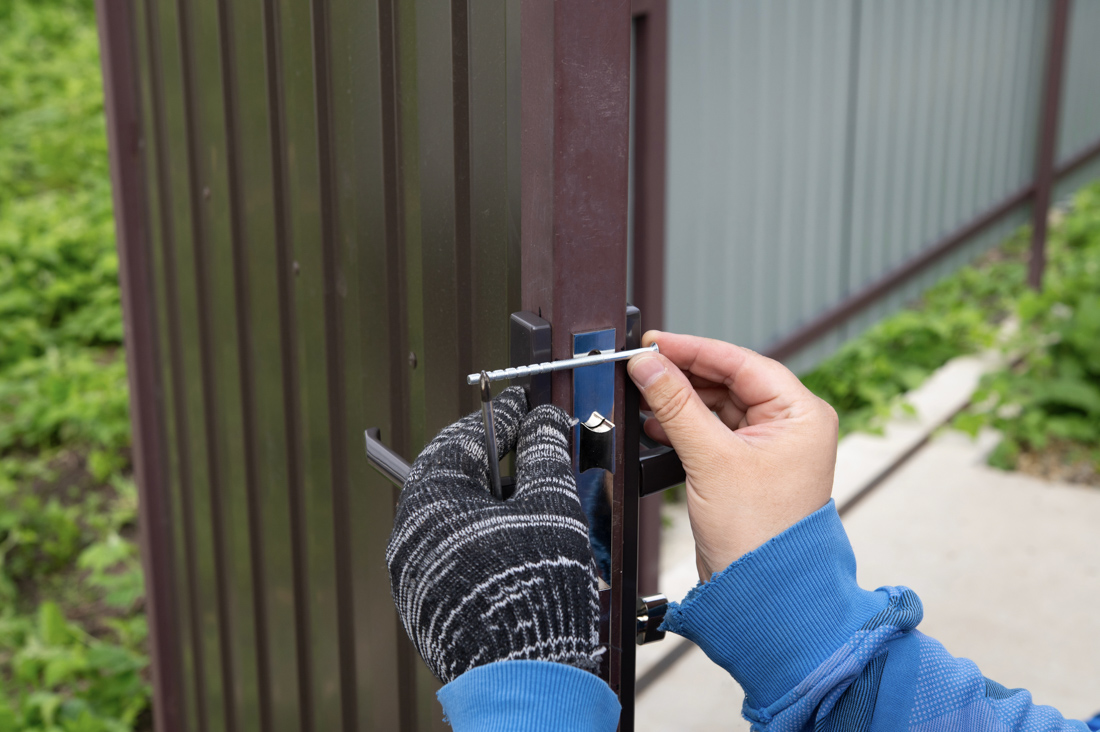
Advanced Strategies for Ensuring Lock Compliance
Understanding Advanced Lock Features
When it comes to lock compliance with Canadian building codes, understanding advanced lock features is crucial. These features not only ensure compliance but also enhance security and accessibility for homeowners.
Smart Locks and Their Benefits
Smart locks are increasingly popular due to their keyless entry capabilities, which align with modern accessibility codes. They can be controlled remotely via smartphone apps, providing homeowners with the flexibility to manage access even when they are not at home. These locks can easily integrate with home automation systems, offering enhanced security and convenience.
Biometric Locks for Enhanced Security
Biometric locks, which use fingerprints or facial recognition, offer a high level of security and ease of access. They are particularly beneficial for meeting accessibility requirements, as they eliminate the need for keys or codes that can be difficult for some individuals to use.
Fire-Rated Locks
In terms of fire safety, fire-rated locks are essential as they are designed to withstand high temperatures and allow quick egress. These locks are crucial for compliance with fire safety regulations, ensuring that occupants can exit a building safely in an emergency.
Lock Audits and Inspections
Regular audits and inspections are vital to maintain lock compliance with evolving building standards in Canada. These processes help identify potential issues and ensure that all locks meet current regulatory requirements.
Conducting a Comprehensive Lock Audit
A lock audit involves a thorough examination of all locks within a property to assess their compliance with relevant building codes. This process helps identify outdated or non-compliant locks that need upgrading. Homeowners can perform basic audits, but professional locksmith services are recommended for a detailed assessment.
Importance of Regular Inspections
Regular inspections by certified technicians are crucial for maintaining lock compliance. These inspections ensure that locks function correctly and adhere to the latest safety and security standards. For professional inspections, consider reaching out to our certified technicians who can offer expert advice and solutions.
Documenting Inspections and Upgrades
Maintaining detailed records of all inspections and lock upgrades is essential. This documentation serves as proof of compliance and can be valuable during property transactions or in the event of a legal dispute.
Regional Variations in Canadian Building Codes
Understanding Regional Differences
Canadian building codes can vary significantly across provinces and territories. Understanding these regional differences is crucial for ensuring lock compliance.
Provincial Adaptations of the National Building Code
Each province and territory adapts the National Building Code to suit local conditions. For example, British Columbia has specific seismic considerations, while Ontario may focus more on accessibility standards. Homeowners must familiarize themselves with the specific code requirements in their region to ensure compliance.
Impact on Lock Compliance
These regional variations can impact lock compliance, as certain features may be required in one province but not in another. Consulting with a regulatory locksmith familiar with local codes is advisable to ensure that locks meet regional requirements. If you need expert locksmith advice, our team at Prime Core is well-versed in provincial standards.
Examples of Regional Code Requirements
Ontario’s Accessibility Requirements
Ontario has stringent accessibility requirements, which include specifications for lock height and ease of use. Locks must be operable with one hand and not require tight grasping, pinching, or twisting of the wrist.
British Columbia’s Seismic Safety Standards
In British Columbia, locks must comply with seismic safety standards, ensuring they remain functional during and after an earthquake. This includes ensuring that locks do not impede emergency egress.
Quebec’s Unique Security Provisions
Quebec has unique security provisions that emphasize the use of high-security locks in certain types of buildings. Compliance with these provisions ensures enhanced protection against unauthorized access.
Choosing the Right Locksmith for Compliance Needs
Why Work with a Regulatory Locksmith?
Choosing the right locksmith is essential for ensuring lock compliance with Canadian building codes. A regulatory locksmith specializes in understanding and implementing code-compliant solutions.
Expertise in Canadian Regulations
Regulatory locksmiths possess a deep understanding of Canadian building codes and regulations. They can provide expert advice on lock compliance, ensuring that all installations meet legal requirements.
Professional Services and Certifications
Choosing a locksmith with the necessary certifications guarantees that the work meets professional standards. Our team at Prime Core offers professional locksmith services that adhere to all regulatory standards, providing peace of mind to homeowners.
Customized Solutions for Unique Needs
A regulatory locksmith can offer customized solutions tailored to the specific needs of a property. Whether it’s installing smart locks for enhanced accessibility or upgrading to fire-rated locks for safety compliance, professional locksmith services ensure all requirements are met.
Tips for Selecting the Right Locksmith
1. Verify Credentials and Experience
Ensure that the locksmith you choose has the necessary credentials and experience in dealing with code-compliant locks. Look for certifications and customer reviews that attest to their expertise and reliability.
2. Ask About Compliance Knowledge
When consulting with a locksmith, inquire about their knowledge of local building codes and regulations. A knowledgeable locksmith will be able to provide detailed information and recommendations for compliance.
3. Request a Detailed Quote
Before proceeding with any work, request a detailed quote that outlines the services to be provided and the associated costs. This transparency helps avoid unexpected expenses and ensures that the work aligns with your budget.
Conclusion
Ensuring lock compliance with Canadian building codes and regulations is essential for the safety, security, and legal standing of your home. By understanding the various aspects of lock compliance, from advanced lock features to regional code variations, homeowners can make informed decisions that enhance their property’s value and safety.
Partnering with a regulatory locksmith, such as Prime Core, ensures that all lock installations and upgrades meet the necessary standards. Whether you are conducting a lock audit, upgrading to smart locks, or ensuring compliance with regional codes, professional guidance and expertise are invaluable.
For comprehensive locksmith services and expert advice on lock compliance, contact our team at Prime Core. We are committed to helping Canadian homeowners achieve peace of mind through secure, compliant, and high-quality lock solutions.
