

Emergency exit door lock systems help protect people, property, and daily operations in Canadian buildings. This guide explains how exit door locks, panic hardware, emergency egress, and building safety rules work together, so homeowners and property managers can make safer, code-aware decisions.
Why Emergency Exit Door Lock Systems Matter in Canadian Buildings
An emergency exit is more than just a door at the end of a hallway. It is a critical part of building safety, fire safety, and emergency access. In homes with secondary suites, small apartment buildings, mixed-use properties, condo common areas, and commercial spaces, the right exit door locks can help people leave quickly during a fire or other urgent event.
In Canada, emergency egress requirements are shaped by national, provincial, and municipal rules. While exact building codes vary by province and city, the basic goal stays the same: people must be able to exit safely and without delay. That means a door may need to stay secure from the outside while still opening easily from the inside.
This is where panic hardware, safety locks, and a properly selected exit device become important. These systems are designed to reduce confusion in stressful moments. Instead of turning a small thumbturn or searching for a key, occupants can push a bar or handle and move toward safety.
For property owners who are unsure where to start, working with a provider that offers professional locksmith services can make the process much easier. A trained technician can assess the door, hardware, occupancy type, and local code expectations before recommending a safer setup.
What is an emergency exit door lock system?
An emergency exit door lock system is a combination of door hardware that allows safe, fast exit during an emergency while helping control access at other times. It may include:
- an exit device or push bar
- panic hardware for quick release
- latch mechanisms that secure the door when closed
- door closers that help maintain fire safety separation
- alarm features for unauthorized use
- electrified hardware for controlled emergency access
These systems are common in schools, offices, apartment corridors, retail units, and shared building entrances. In some cases, Canadian homeowners may also see them in basement suite exits, workshop spaces, or detached structures used for business purposes.
How exit door locks support safety compliance
Safety compliance is not just about avoiding fines. It is about protecting lives and reducing liability. A poorly chosen lock can slow down emergency egress, create crowding at the door, or fail during an evacuation. On the other hand, the right system supports smoother movement and better building safety planning.
Many owners assume any lock that feels secure is good enough. In reality, some traditional deadbolts, double-cylinder locks, or DIY add-ons may create problems on an emergency exit. If a person needs a key, special knowledge, or extra force to open the door from the inside, that setup may not meet fire safety expectations.
That is why inspections, maintenance, and expert installation matter. If you are updating a property in Ontario or elsewhere in Canada, it is smart to review your doors with a team experienced in exit door repair and safety upgrades.
Understanding the Main Types of Exit Devices and Panic Hardware
Not all exit door locks work the same way. The best choice depends on the building type, door material, traffic level, and security needs. A back exit for a small commercial unit may need a different exit device than a stairwell door in a multi-residential building.
Panic hardware: the fast-release solution
Panic hardware is one of the most widely used options for emergency egress. It usually includes a horizontal push bar across the inside of the door. When someone pushes the bar, the latch retracts and the door opens.
This design is effective because it is simple and intuitive. In a stressful moment, people do not need to stop and think. They push and go. That makes panic hardware especially valuable in places where many people may use the same emergency exit.
Benefits of panic hardware
- quick and easy operation during emergencies
- reduced risk of delay or confusion
- better crowd flow at exit points
- strong security when the door is closed
- available in alarmed or electrified versions
For Canadian buildings, panic hardware is often part of a larger fire safety and access control plan. It may be paired with signage, door closers, smoke barriers, and monitored alarms.
Rim, mortise, and vertical rod exit devices
Exit devices come in several common styles. Understanding the difference can help homeowners and property managers ask better questions before buying.
Rim exit device
A rim exit device latches into a strike mounted on the door frame. It is often used on single doors and is one of the most common choices for straightforward installations. It can be a practical option where reliable emergency access and easy maintenance are priorities.
Mortise exit device
A mortise exit device works with a mortise lock body installed inside the door. It can offer a cleaner look and strong performance, especially on higher-traffic doors. This type is often seen where appearance and durability both matter.
Vertical rod exit device
A vertical rod system secures the door at the top and bottom. It is often used on double doors without a centre mullion. While effective, it may need more careful adjustment over time to keep the rods aligned and the door operating smoothly.
If you are not sure which hardware suits your property, you can explore building security and door services to compare options and get advice based on your specific layout.
When electrified locks and alarms make sense
Some buildings need more than a basic mechanical exit device. In condos, offices, healthcare settings, and retail spaces, electrified exit door locks may be used to balance emergency egress with controlled entry. These systems can connect to alarms, access control panels, or fire alarm systems.
For example, a rear door may stay locked from the outside to prevent unauthorized entry, but unlock automatically or allow free exit from the inside when needed. In some setups, sounding an alarm when the door opens can discourage misuse without blocking emergency egress.
These systems must be selected carefully. A lock that works well for security can still be wrong for fire safety if it delays exit. That is why safety compliance should always come before convenience.
Key Building Code and Fire Safety Considerations for Homeowners and Property Managers
Canadian building codes and fire safety rules are designed to protect occupants. While homeowners may not manage a large public building, they still need to think about emergency exit planning in garages, side entries, basement apartments, laneway suites, and shared entrances.
Common code-related issues with exit door locks
One of the most common problems is adding extra security hardware without considering emergency egress. People often install slide bolts, surface latches, aftermarket bars, or keyed locks on an emergency exit because they want more protection. Unfortunately, these add-ons can create a serious hazard.
Watch for these red flags:
- the door needs a key to open from the inside
- the hardware requires more than one motion to exit
- the latch sticks or the door swells in humid weather
- the panic hardware is loose or misaligned
- the exit device is blocked by storage, snow, or furniture
In Canadian climates, weather also affects performance. Ice, rust, door warping, and frame movement can all interfere with exit door locks. A system that worked well in summer may fail in winter if it is not maintained properly.
Practical tips to improve building safety
If you own or manage a property, a few simple steps can improve building safety right away:
- test each emergency exit regularly from the inside
- check that doors close and latch properly every time
- keep exits clear of bins, tools, and seasonal items
- replace worn handles, bars, and closers before they fail
- book inspections after renovations or tenant turnover
It also helps to work with a local team that understands regional code expectations and climate-related wear. For trusted help across Ontario, you can contact our certified technicians to inspect safety locks, panic hardware, and emergency access systems before a small issue becomes a larger risk.
Choosing the right emergency exit setup is not only about hardware. It is about making sure people can get out fast, safely, and with confidence when every second counts.
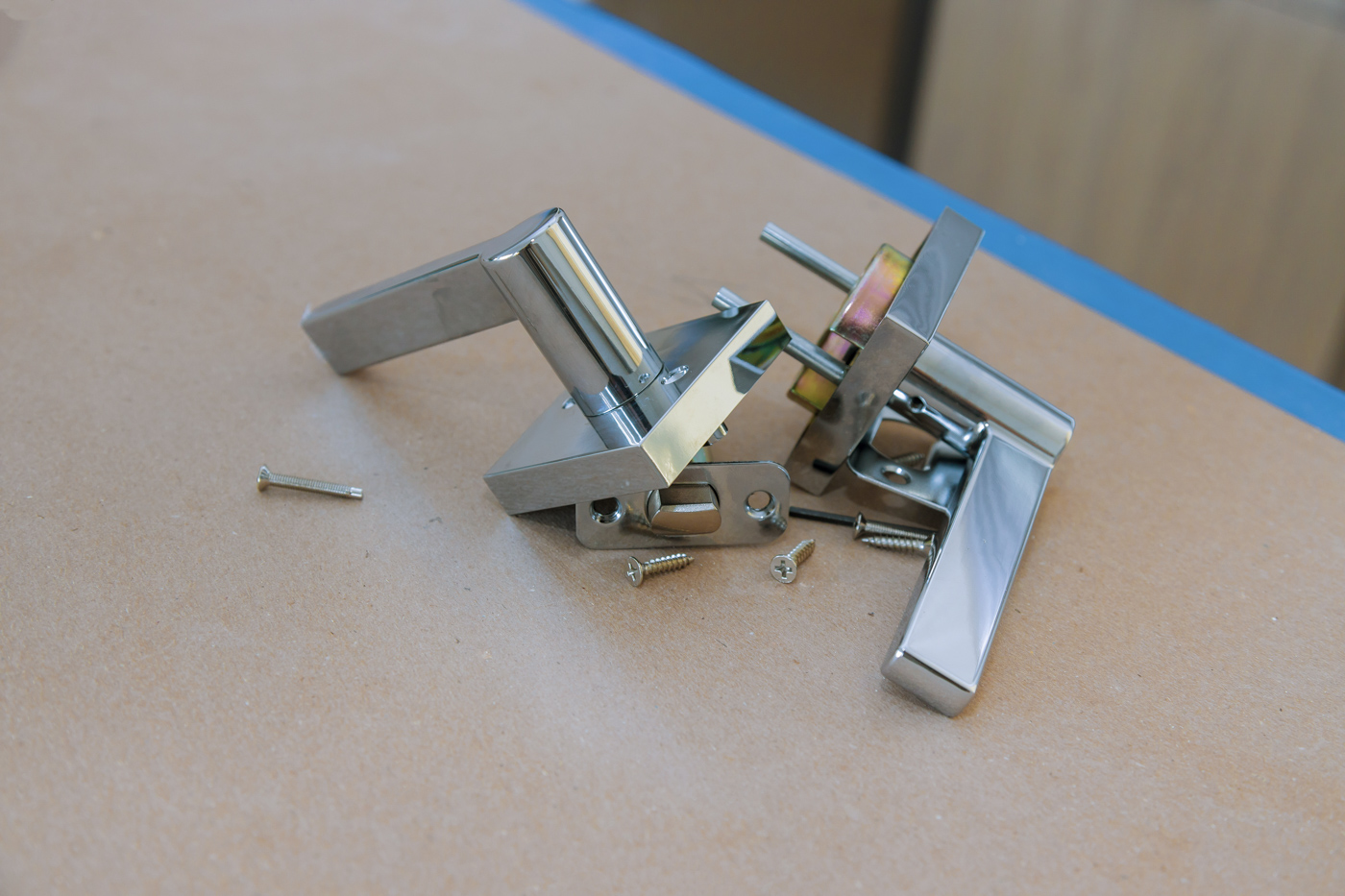
Choosing the Right Emergency Exit System for Your Building Type
Not every emergency exit door lock system fits every property. A good setup depends on how the building is used, how many people may need to leave at once, and whether the door is part of a fire-rated assembly. For Canadian homeowners, landlords, and property managers, the safest choice is usually the one that balances security, emergency egress, and day-to-day convenience.
Single-family homes and secondary suites
In a standard house, emergency exit needs may seem simple, but they become more important when there is a basement apartment, in-law suite, home business, or separate entrance. In these cases, exit door locks should allow fast escape without needing a key or special steps from the inside.
A common mistake is adding extra safety locks to a side door or rear exit without thinking about fire safety. A lock may feel secure at night, but if it delays someone during smoke or low visibility, it can become a danger. Homeowners should also check that doors do not stick during winter, when swelling, ice, and frame movement are more common across Canada.
Small apartment buildings and condos
In low-rise apartments and condo common areas, emergency access and controlled entry often need to work together. Stairwell doors, lobby exits, and rear exits may require panic hardware, self-closing doors, and hardware that stays reliable under frequent use. In these settings, building safety depends not only on the lock itself but also on proper door alignment, latch pressure, and regular testing.
Property managers should pay close attention to doors that are propped open, altered by tenants, or fitted with aftermarket hardware. Even small changes can affect safety compliance. If your building has aging doors or worn closers, it may be time to review your door installation and safety upgrades with a qualified team.
Retail, mixed-use, and commercial properties
Commercial spaces usually face a more complex mix of public access, theft prevention, and code requirements. A rear service door may need an alarmed exit device, while a customer-facing door may need panic hardware that handles heavy traffic. In mixed-use buildings, the needs of residential occupants and business users can be very different, which makes hardware planning even more important.
For these properties, building codes and fire safety rules may also require closer coordination between the exit device, signage, lighting, and access control system. If one part fails, the whole emergency egress plan can be weakened.
Installation, Maintenance, and Common Problems to Watch For
Even the best exit door locks can create problems if they are installed poorly or left without maintenance. Emergency exit systems are mechanical devices, and like any working part of a building, they wear down over time. Hinges sag, frames shift, latches loosen, and panic hardware can go out of adjustment.
Why professional installation matters
Proper installation affects both security and building safety. If an exit device is mounted at the wrong height, if the latch does not line up with the strike, or if the closer is too strong, people may struggle to open the door quickly. That can create a serious issue during an emergency.
Professional installers also understand how fire-rated doors, electrified hardware, and emergency access systems interact. This is especially important in Ontario and other provinces where local enforcement may vary, but the need for safe emergency egress remains the same. Working with a team that provides expert locksmith services can help you avoid expensive mistakes and reduce long-term risk.
Signs your exit device may need service
Many door problems start small. A push bar may feel slightly loose, the latch may catch only sometimes, or the door may fail to close fully in cold weather. These warning signs should not be ignored.
Common issues include:
- panic hardware that rattles, sticks, or needs extra force
- exit door locks that do not latch consistently
- door closers that slam or close too slowly
- misaligned frames after seasonal expansion or settling
- alarmed exits that trigger falsely or fail to sound
- rust, corrosion, or wear on exterior hardware
In Canadian weather, moisture and freezing temperatures can speed up wear. A back exit exposed to snow and ice may need more frequent inspection than an interior stairwell door. This is one reason regular service is so important for safety compliance.
Simple maintenance steps for owners
Homeowners and property managers can do a basic monthly check without taking anything apart. Open the door from the inside, confirm the exit device works smoothly, and make sure the door closes and latches every time. Look for loose screws, bent parts, or signs that people are forcing the hardware.
You should also check the area around the emergency exit. Storage bins, bikes, mats, and seasonal items can block safe movement. During winter, keep snow and ice cleared from the outside landing so the door can open fully and people can move away from the building.
If you notice recurring issues, do not rely on temporary fixes. A door that is “usually fine” may fail when it matters most. Property owners who need help with inspections or repairs can learn more about building door and security services for safer, code-aware solutions.
How to Balance Security, Emergency Access, and Long-Term Safety
Many owners worry that making an emergency exit easy to use will make the building less secure. In most cases, the opposite is true. A properly chosen exit device can provide strong security when the door is closed while still allowing immediate release from the inside. The key is selecting hardware designed for both protection and emergency access.
Security features that support safe egress
Modern exit door locks can include several features that improve security without blocking emergency egress. These may include alarmed push bars, outside trim that limits entry, monitored openings, and electrified systems connected to building controls. When selected properly, these features support both fire safety and loss prevention.
For example, an alarmed emergency exit may discourage unauthorized use by sounding when opened, but it still allows people to leave quickly. A controlled outside lever can prevent entry from the exterior while keeping the inside operation simple and immediate. This kind of planning is especially useful in multi-unit properties, schools, offices, and shared residential buildings.
When to upgrade older hardware
If your current system uses outdated locks, added slide bolts, or hardware that no longer works smoothly, an upgrade may be the safer and more cost-effective option. Older doors often show signs of repeated patching, mixed hardware, or DIY changes made over many years. These setups can create confusion and may not meet modern building safety expectations.
Upgrading can also improve reliability, reduce repair calls, and give occupants more confidence in an emergency. If you manage properties in the GTA or nearby areas, it helps to work with a local provider that understands Canadian conditions and regional code expectations. You can also explore locksmith support in Toronto and surrounding communities for location-specific service.
Final thoughts on safer emergency exit systems
Emergency exit door lock systems are not just another piece of hardware. They are a core part of building safety, fire safety, and emergency egress planning. The right combination of panic hardware, safety locks, and a reliable exit device can help protect lives while keeping your property secure.
Whether you own a home with a secondary suite, manage a condo entrance, or maintain a small commercial building, it is worth reviewing your exits before a problem happens. If you want trusted advice, inspections, or upgrades, contact Prime Core for professional help with emergency exit systems, safety compliance, and secure access solutions across Canada.
