

DIY garage door maintenance can help Canadian homeowners keep their garage door safe, smooth, and reliable. In this guide, you’ll learn what simple checks and basic upkeep you can do yourself, when to avoid risky repairs, and when it’s smart to call a trained garage door professional.
Why DIY Garage Door Maintenance Matters
Your garage door is one of the hardest-working parts of your home. It opens and closes in every season, from humid summers to freezing Canadian winters. With regular care, a garage door can last longer, run more quietly, and help you avoid sudden breakdowns. Simple maintenance also helps you spot small issues before they turn into expensive repairs.
For many homeowners, basic upkeep is manageable. Cleaning tracks, checking weatherstripping, tightening visible hardware, and testing safety features are all jobs you can often do yourself. At the same time, it’s important to know your limits. High-tension parts like springs and cables can be dangerous, and some repairs should always be left to experts offering professional garage door repair services.
If you have been searching for garage door service near me, the good news is that a mix of DIY care and timely professional support is usually the best approach. A well-maintained garage door not only protects your vehicle and belongings, but also improves curb appeal and daily convenience.
What homeowners can safely do themselves
In most cases, you can handle light maintenance tasks that do not involve disassembling major components. Safe DIY jobs include:
- Visually inspecting rollers, hinges, tracks, and weather seals
- Cleaning dirt and debris from tracks
- Lubricating moving metal parts with a garage-door-safe lubricant
- Replacing remote batteries or opener backup batteries
- Testing the auto-reverse safety system
- Listening for new noises during operation
These small steps can make a big difference. If your door starts jerking, making grinding sounds, or going off balance, stop using it and book a service call instead of forcing it to operate.
What should never be a DIY job
Some parts of a garage door system are under extreme tension. Springs, lift cables, and certain opener components can cause serious injury if handled incorrectly. Homeowners should not attempt liftmaster garage door spring replacement cost research and then assume the repair is simple enough to do alone. Knowing the cost is useful, but replacing springs is still a professional task.
The same goes for bent tracks, snapped cables, damaged bottom brackets, or an opener that has electrical faults. If you are unsure, it is always safer to reach out through the contact our certified technicians page and get expert advice.
Your DIY Garage Door Maintenance Checklist
1. Start with a visual inspection
Before touching anything, stand inside the garage with the door closed and look over the full system. Check for rust, loose bolts, frayed cables, worn rollers, cracked hinges, and gaps in the weather seal. Then open and close the garage door a few times while watching how it moves.
A healthy garage door should move smoothly, stay aligned in the tracks, and not shake excessively. If one side seems lower than the other, or if the door slams shut, that may point to a spring or balance issue. In that case, stop your inspection there and arrange garage door maintenance and repair from a trained team.
2. Clean the tracks properly
Garage door tracks collect dust, leaves, cobwebs, and road grime over time. In Canadian homes, salt and moisture can also build up during winter. Use a clean cloth or soft brush to remove loose debris. If needed, wipe the tracks with a damp cloth and mild soap, then dry them fully.
Do not grease the tracks heavily. Many homeowners think more lubricant is better, but thick product inside the tracks can attract dirt and create more problems. The tracks should be clean and clear, not sticky.
3. Lubricate moving parts
One of the easiest ways to improve garage door performance is proper lubrication. Use a silicone-based or garage-door-specific lubricant on metal rollers, hinges, bearings, and springs. Avoid spraying the opener chain or belt unless the manufacturer recommends it.
Best practice for lubrication
- Apply lightly, not heavily
- Wipe away excess product
- Lubricate every few months, or more often in harsh weather
- Check your opener manual for brand-specific guidance
If you own a unit and are reviewing a mastercraft garage door opener manual, always follow the manufacturer’s instructions before adding lubricant or adjusting settings. Different opener systems have different maintenance needs.
4. Test the door balance
A balanced garage door helps the opener work properly and reduces wear on parts. To test balance, disconnect the opener using the emergency release cord when the door is closed. Then manually lift the door about halfway and let go carefully.
If the door stays in place, the balance is likely okay. If it drops quickly or shoots upward, the spring system may be out of adjustment. Do not try to fix that yourself. Spring tension adjustments are not a DIY task, even if you are trying to compare the liftmaster garage door spring replacement cost before calling a pro.
5. Check weatherstripping and insulation
The bottom seal and perimeter weatherstripping help keep out snow, rain, dirt, and cold air. In Canada, this matters a lot for energy efficiency and comfort, especially if your garage is attached to the house.
Look for cracks, brittleness, or visible gaps when the door is closed. Replacing worn weatherstripping is often a simple DIY project and can help prevent water intrusion. It can also reduce drafts that affect rooms near the garage.
Garage Door Opener Maintenance You Can Handle
Replace opener batteries before they fail
Many modern openers include a backup battery so the door can still operate during a power outage. If you have been searching for liftmaster garage door opener battery information, you are not alone. This is one of the most common homeowner maintenance tasks.
In most cases, a liftmaster battery replacement is straightforward. First, unplug the opener if the manual recommends it. Open the battery compartment, remove the old battery, and install the matching replacement model. Then test the unit to make sure the opener responds properly. Always recycle the old battery according to local rules.
If your opener beeps regularly or shows a warning light, that often signals battery trouble. Check your product manual for the exact replacement steps and battery type.
Test remotes, wall controls, and safety sensors
Try every remote and wall button to make sure the system responds consistently. If one remote stops working, the battery may simply need replacing. Also wipe the photo-eye safety sensors near the bottom of the door tracks. Dust, cobwebs, or slight misalignment can stop the door from closing properly.
To test the auto-reverse feature, place a solid object like a piece of wood on the ground where the door closes. When the door touches it, it should reverse direction right away. If it does not, stop using the opener until it is serviced.
Know when local help makes more sense
Some homeowners begin with DIY checks and then realize they need expert support. That is common, especially when a problem involves wiring, spring tension, or repeated opener faults. Whether you are dealing with older markham garage doors, need garage door repair milton, or want trusted help anywhere in the region, local experience matters.
Prime Core supports homeowners across Ontario with practical service and honest advice. You can also explore service coverage in Markham garage doors and surrounding areas if you need location-specific support.
It is also worth noting that households sometimes search for unrelated emergency services at the same time, such as car key replacement toronto, especially when garage access and vehicle access problems happen together. Working with a company that offers broader property and access solutions can save time when multiple issues come up at once.
For homeowners who want dependable help after completing the basic checks above, learn more about Prime Core and its full range of home services before the problem gets worse.
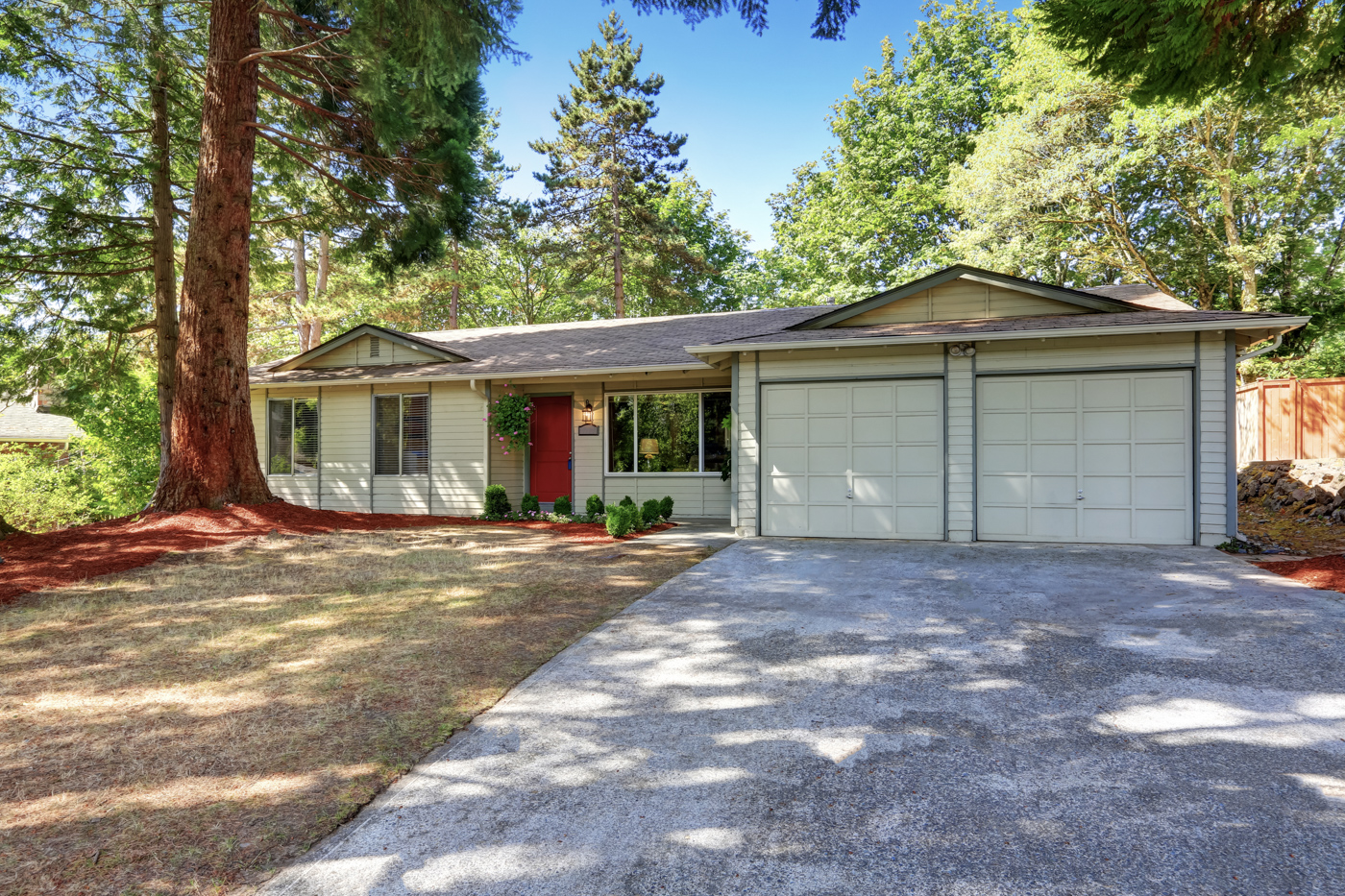
Seasonal Garage Door Maintenance for Canadian Homes
Canadian weather can be hard on any garage door. Freezing temperatures, road salt, heavy rain, and summer humidity all affect how your system works. A simple seasonal routine can help prevent wear and reduce the need for emergency service.
Winter checks that help prevent trouble
In winter, moisture can freeze around the bottom seal and make the garage door stick to the ground. If that happens, avoid forcing the opener to lift it, because that can strain the motor and damage parts. Instead, clear away ice carefully and inspect the seal for cracks.
This is also a good time to listen for slow or noisy operation. Cold weather can make metal parts contract, and older rollers or hinges may become louder. If lubrication does not help, it may be time to arrange professional garage door repair services before the issue gets worse.
Simple winter maintenance tips
- Keep the area under the door free of snow and ice
- Check the bottom weather seal for stiffness or splitting
- Watch for salt buildup on lower panels and hardware
- Test the opener after major temperature drops
If your opener uses a backup battery, winter is a good time to confirm it still works. Homeowners often search for liftmaster garage door opener battery help after a power outage, but it is better to test it before you need it. A timely liftmaster battery replacement can keep your garage door operating when the power is out.
Spring and summer upkeep
When temperatures rise, wash the exterior panels and inspect for rust, dents, or chipped paint. This is especially useful for steel garage door systems exposed to slush and salt all winter. Clean surfaces last longer and keep better curb appeal.
Spring is also a smart time to review the opener manual. If you have been checking a mastercraft garage door opener manual, follow the manufacturer’s guidance for battery checks, light bulb replacement, and control settings. Avoid changing force or travel limits unless you fully understand the instructions.
During humid months, wooden trim around the garage opening may swell slightly. Watch for rubbing, sticking, or gaps around the frame. If the door no longer seals well, moisture and pests can get in. In those cases, proper adjustment or replacement parts may be needed from a qualified technician.
Signs Your Garage Door Needs Professional Attention
DIY maintenance is helpful, but it does not solve every problem. Knowing when to stop is just as important as knowing what you can do yourself. Some warning signs point to deeper mechanical or safety issues.
Red flags you should not ignore
Call for help if your garage door shows any of these symptoms:
- The door looks crooked or uneven while moving
- It slams shut or feels very heavy by hand
- You hear a loud bang from the garage, which may mean a broken spring
- The opener hums but the door does not move
- Cables look frayed or loose
- The door reverses for no clear reason after basic sensor cleaning
Many homeowners search liftmaster garage door spring replacement cost when they notice one of these problems. That is understandable, but cost should not be the only concern. Spring replacement requires special tools and training, and the wrong repair can create a serious safety risk. The same goes for cable repairs and bottom bracket work.
Why local experience matters
Garage door systems vary by age, brand, and installation quality. A newer insulated garage door may have different service needs than an older builder-grade model. Local technicians also understand how Ontario weather affects materials and hardware over time.
If you are looking up garage door service near me, choose a company that handles inspection, repair, and replacement with clear advice. Prime Core offers support for homeowners who need dependable garage door services, whether the issue is minor maintenance or a full system problem.
Location-specific help also matters. Homeowners searching for markham garage doors often need fast service for worn rollers, opener issues, or weather damage. Others may need garage door repair milton after a door goes off track or stops closing properly. In both cases, professional diagnosis saves time and helps prevent repeat problems.
Related access issues around the home
Garage problems sometimes happen alongside lock and entry concerns. For example, a family dealing with a stuck garage door may also realize they have misplaced vehicle keys and start searching for car key replacement toronto. While these are different services, it helps to work with a company that understands complete property access needs.
If your home has multiple entry concerns, you can explore Prime Core’s broader home service solutions for practical support beyond the garage door itself.
Smart Maintenance Habits That Save Money Over Time
The best DIY plan is simple, consistent, and safe. You do not need to take apart your garage door to protect your investment. A few regular habits can reduce wear and help you catch problems early.
Create a basic maintenance schedule
For most Canadian homes, checking the garage door every few months is enough. Set a reminder at the change of each season. Your checklist can include cleaning tracks, testing the opener, checking the liftmaster garage door opener battery, inspecting weatherstripping, and listening for unusual sounds.
Keep notes if you notice changes. If the door becomes noisier, slower, or less balanced over time, those details can help a technician diagnose the issue faster. This can also make service appointments more efficient and cost-effective.
A practical homeowner routine
- Monthly: test remotes, wall control, and safety sensors
- Every 3 to 4 months: inspect hardware and lubricate moving metal parts
- Seasonally: clean the door, tracks, and weather seals
- Yearly: book a professional tune-up if the door gets heavy use
For busy households, annual service is often worth it. A trained technician can spot worn springs, opener strain, roller damage, and alignment issues before they lead to a breakdown. If you are unsure where to start, learn more about Prime Core and its approach to reliable service for Canadian homeowners.
Think repair first, replacement when needed
Not every problem means you need a new garage door. In many cases, replacing rollers, seals, sensors, or an opener battery is enough. A liftmaster battery replacement, for example, is a small fix that can restore backup power and peace of mind.
That said, there are times when replacement is the better long-term option. Severe rust, repeated panel damage, poor insulation, or outdated safety features may make a new system more practical. If your current garage door is older and needs frequent repairs, ask for honest advice on whether repair or replacement makes more financial sense.
DIY garage door maintenance works best when paired with good judgment. Homeowners can safely handle cleaning, light lubrication, battery changes, and basic testing. But when the garage door is unbalanced, noisy, damaged, or unsafe, professional help is the right next step.
By staying consistent with simple care and responding quickly to warning signs, you can help your garage door last longer and perform better through every Canadian season. If you need expert support, from routine service to urgent repairs, contact Prime Core for trusted local help and practical solutions tailored to your home.
