

Learn how the right garage door can improve your home’s energy efficiency. This guide explores insulation, materials, and expert tips for choosing and maintaining energy-efficient overhead garage doors in Canada.
Why Energy Efficiency Matters for Canadian Garage Doors
Lower Energy Bills, Greater Comfort
Canadian winters can be brutally cold, and summers can be surprisingly hot. Many homeowners don’t realize how much energy is lost through an uninsulated or poorly sealed overhead garage door. Since garages are often attached to homes, temperature fluctuations in the garage can affect the entire house. This leads to higher heating and cooling costs throughout the year.
An energy-efficient garage door keeps cold air out in the winter and hot air out in the summer. This not only protects your belongings stored in the garage but also reduces energy demands on your home’s HVAC system. The result? Lower utility bills and a more comfortable living space.
Environmental Responsibility
With growing concerns about climate change and the environment, Canadian homeowners are becoming more eco-conscious. An energy-efficient garage door reduces your carbon footprint by minimizing the energy required to heat or cool your home. Making smarter choices about your home’s energy usage starts with the basics, and your overhead garage door is a perfect place to begin.
Improved Home Value
Energy efficiency is becoming a top priority for homebuyers in Canada. A well-insulated, professionally installed garage door can boost your home’s curb appeal and resale value. Prospective buyers often prefer homes with modern and efficient upgrades already in place, which include high-performance overhead garage doors.
If you’re considering selling your home in the near future, upgrading your garage door could be a smart investment. It’s one of the top renovations that deliver a high return on investment in today’s competitive real estate market.
How Garage Doors Impact Energy Efficiency
Insulation: The First Line of Defence
Insulation is one of the key factors that determine a garage door’s energy efficiency. Insulated garage doors help maintain a stable temperature in your garage, reducing the workload on your home’s heating and cooling systems.
There are typically two types of insulation used in garage doors:
Polystyrene Insulation
This is a rigid foam panel placed inside the door sections. While it offers good insulation, it doesn’t always fill all the gaps. It’s a more affordable option and provides moderate thermal protection.
Polyurethane Insulation
This type of insulation is injected as a foam that expands and bonds to all sides of the door. It offers superior insulation and strength. If energy efficiency is your main goal, polyurethane is the better choice.
The effectiveness of insulation is measured by R-value. The higher the R-value, the better the insulation. For Canadian homes, an R-value of at least R-12 is recommended, especially in colder regions.
Material Matters
The material of your garage door also plays a major role in its energy performance. Here are some common garage door materials and how they compare:
- Steel: Durable and often comes with built-in insulation. Great for energy efficiency when paired with polyurethane foam.
- Aluminium: Lightweight but less insulating unless combined with thermal breaks or insulation layers.
- Wood: Naturally insulating but requires more maintenance and can warp in extreme weather.
- Fibreglass: Resistant to corrosion and lightweight. It can be insulated effectively but may be less durable in very cold climates.
If you’re unsure which material is best for your climate and home design, professional overhead door installers can provide guidance based on your specific needs.
Seals and Weatherstripping
Even the best-insulated garage door can be undermined by poor seals. Gaps around the door allow air to leak in and out, cancelling out the benefits of insulation. Make sure your garage door has high-quality weatherstripping on the sides and bottom. A tight seal prevents drafts, moisture, and even pests from entering your garage.
Regular maintenance and inspections can help ensure these seals remain intact. If you notice cracking or damage, consider calling a professional garage door repair service to replace them promptly.
Choosing the Right Energy-Efficient Overhead Garage Door
Consider Your Climate
In a vast country like Canada, climate varies significantly from coast to coast. Homeowners in Alberta or Manitoba will need garage doors with heavy insulation to handle extreme cold, while those in British Columbia may require more balanced insulation for milder, damp conditions.
Always choose a door with an R-value appropriate for your region. For example, homeowners in Ontario, especially in areas like Pickering or Markham, should opt for garage doors with at least R-12 to combat the typical winter chill.
Style vs. Function: You Can Have Both
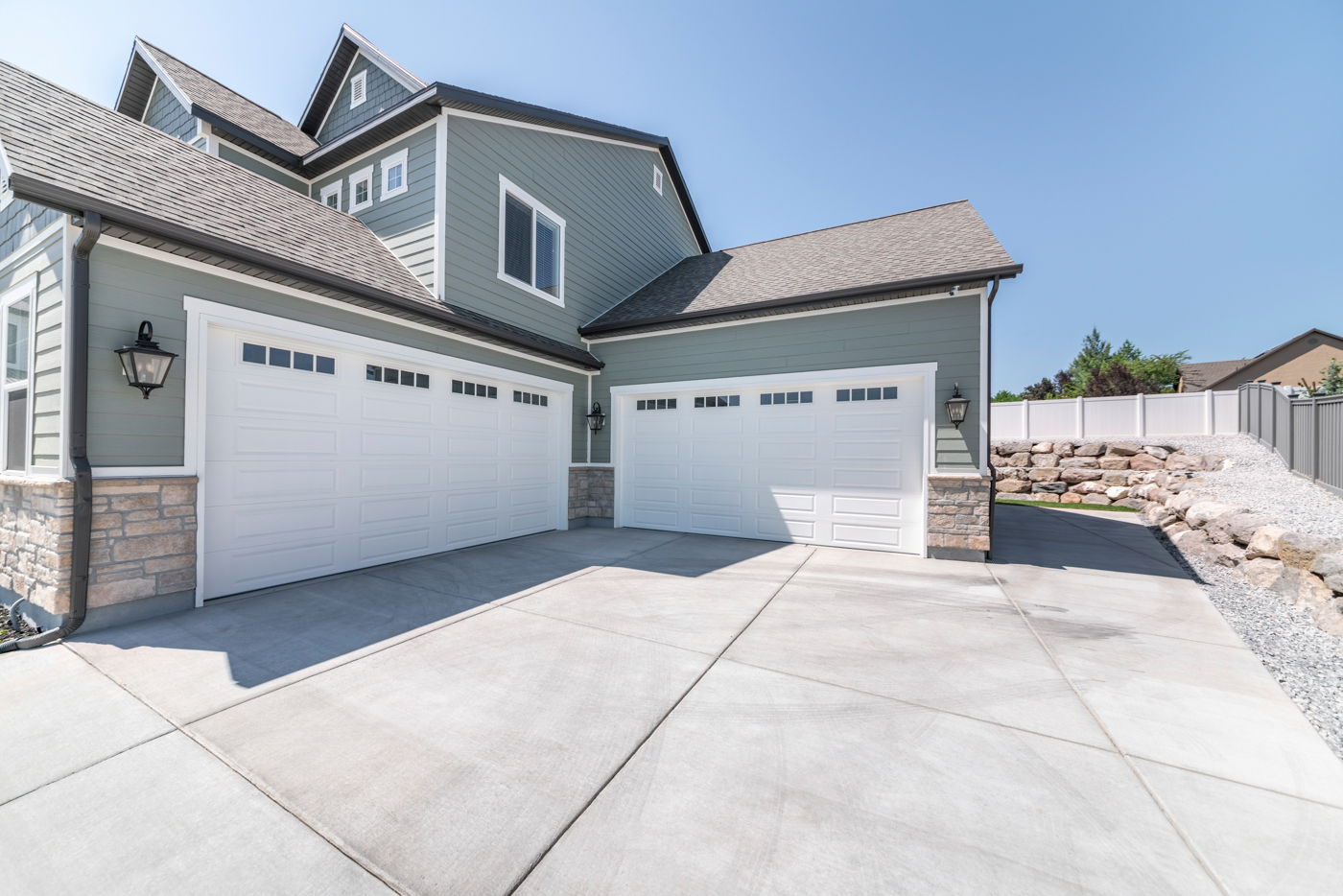
Energy efficiency doesn’t mean you have to sacrifice style. Modern garage doors come in a variety of designs, from traditional raised-panel doors to sleek contemporary options with glass panels. Many manufacturers now offer energy-efficient models in styles that match your home’s architecture.
When selecting a door, look for features like insulated glass windows and thermal breaks. These additions not only enhance aesthetics but also improve overall energy performance.
Professional Installation is Key
Even the most energy-efficient garage door won’t perform well if it’s poorly installed. Precise alignment, secure sealing, and proper insulation are essential. That’s why hiring experienced overhead garage door installers is crucial.
If you’re a DIY enthusiast, make sure you follow manufacturer instructions carefully. You can refer to specific overhead garage door installation instructions provided with your product. However, professional installation ensures the job is done right the first time, saving you time and potential repair costs down the line.
Garage Door Repairs and Maintenance for Energy Efficiency
Don’t Ignore the Small Issues
A misaligned track, cracked panel, or damaged seal might seem minor, but these issues can significantly impact your garage door’s energy efficiency. Air leaks, rattling noises, and difficulty opening or closing are all signs that your door may need attention.
Timely overhead garage door repair not only restores functionality but also helps maintain optimal insulation.
Common Repair Needs
Here are a few common problems that affect energy efficiency:
- Worn weatherstripping: Cracks or gaps allow air to pass through.
- Broken springs or cables: Can cause the door to hang unevenly, breaking the seal.
- Panel damage: Dents and holes reduce insulation effectiveness.
- Track misalignment: Prevents smooth closing, leaving gaps.
In areas like Markham or Pickering, temperature swings can cause materials to expand and contract, increasing wear and tear. That’s why regular inspections are necessary.
If you’re unsure whether your door needs repair, contact our certified technicians for an expert assessment and professional recommendations.
Understanding Overhead Garage Door Repair Costs
Repair costs can vary depending on the issue, the type of door, and whether parts need to be replaced. On average, overhead garage door repair cost in Canada ranges from $150 to $500. Complex repairs involving motors, springs, or full panel replacements may go higher.
Investing in quality repairs today can prevent more expensive problems in the future. With premium garage door repair in Markham and surrounding areas, Prime Core ensures long-term value and energy efficiency.
Routine Maintenance Tips
Maintaining your garage door helps extend its lifespan and keep it energy efficient. Here are a few tips you can follow:
- Inspect weatherstripping: Replace it if it shows signs of wear.
- Lubricate moving parts: Use a silicone-based lubricant on rollers, hinges, and tracks.
- Check insulation panels: Ensure they’re intact and securely attached.
- Test balance: Disconnect the opener and manually lift the door. It should stay halfway open. If not, you may need professional adjustment.
If you’re not comfortable doing this yourself, learn more about our maintenance services to keep your garage door in top shape year-round.
How to Know It’s Time to Upgrade Your Garage Door
Signs Your Door is Inefficient
Sometimes repairs aren’t enough. If your garage door is over 15-20 years old, it may no longer meet modern efficiency standards. Here are some signs it might be time for a new door:
- The garage is always cold in winter or hot in summer
- Energy bills have been steadily increasing
- The door is noisy, slow, or frequently breaks down
- There’s visible damage or warping
Upgrading to a new, energy-efficient door can solve these problems and improve your home’s performance.
Benefits of Working with a Local Expert
Choosing a local overhead garage door company like Prime Core means you get personalized service tailored to Canadian homes. We understand local building codes, climate challenges, and homeowner needs.
Whether you need pickering garage door repair or a full installation in Markham, our team provides expert advice and quality workmanship that lasts.
Precision Garage Door Services You Can Trust
At Prime Core, we offer precision garage door services designed for Canadian homeowners. From energy-efficient installations to expert repairs, we help ensure your garage door performs at its best in every season.
If you need expert installation or are considering an upgrade, trust Prime Core’s overhead door specialists to handle the job with care and precision.
Tips for Maximizing Garage Door Energy Efficiency Year-Round
Upgrade to Energy-Efficient Windows
Many modern garage doors include decorative glass panels or windows. While these add natural light and visual appeal, they can also be a source of heat loss if not designed for energy efficiency. Choose double- or triple-pane insulated glass to reduce thermal transfer. If your current windows are single-pane or show signs of condensation, consider replacing them as part of a garage door upgrade.
Insulated windows help maintain a stable temperature in your garage, especially during harsh Canadian winters. They also help reduce UV exposure, which can protect items stored in your garage from fading or damage.
Install a Garage Door Threshold Seal
While weatherstripping along the sides and top is essential, many homeowners overlook the threshold under the garage door. A garage door threshold seal is a durable rubber or vinyl strip installed directly on the floor where the door meets the ground. It prevents drafts, water, insects, and dirt from entering.
This added barrier is especially helpful in areas prone to snow accumulation or heavy rain. In provinces like Ontario or British Columbia, where seasonal weather can be unpredictable, a threshold seal adds an extra layer of defence against energy loss.
Insulate the Garage Walls and Ceiling
Even with a high-quality insulated garage door, you may lose energy if the walls and ceiling of your garage are uninsulated. Adding insulation to these areas enhances the overall thermal envelope of your garage, keeping the space warmer in winter and cooler in summer.
For attached garages, this also reduces energy transfer into adjacent rooms. Consider batt insulation, rigid foam boards, or spray foam for the best results. If you’re planning a renovation or new build, talk to your contractor about options that meet Canadian energy efficiency standards.
Use a Smart Garage Door Opener
Smart garage door openers do more than just add convenience—they also improve energy efficiency. Many models come with energy-saving modes, built-in lighting controls, and temperature monitoring. Some can even alert you if the door is left open, preventing unnecessary energy loss.
When paired with insulated doors and proper sealing, a smart opener can make your garage more efficient and secure. Look for models with Wi-Fi connectivity and compatibility with home automation systems to get the most out of your investment.
The Role of Proper Ventilation in Garage Energy Efficiency
Why Ventilation Matters
While insulation seals your garage from outside temperatures, proper ventilation ensures that moisture and stale air don’t build up inside. Without it, humidity can rise, leading to mould, mildew, and damage to stored items. This is particularly important in coastal or humid regions of Canada, such as Nova Scotia or southern Ontario.
Ventilation also helps keep fumes from vehicles, paint, or chemicals from accumulating in the garage. Good airflow contributes to healthier indoor air quality, especially if your garage is attached to your home.
Types of Garage Ventilation
There are various ways to ventilate your garage, depending on your needs and climate:
- Passive vents: These include wall vents or soffit vents that allow air to flow naturally.
- Exhaust fans: Useful for garages used as workshops or where fumes are a concern.
- Roof vents: Help release hot air that rises to the ceiling during warmer months.
Pairing proper ventilation with an insulated, sealed overhead door enhances energy efficiency and comfort. If you’re unsure which system is right for you, consult with a local overhead garage door company like Prime Core for expert advice.
Energy Efficiency for Detached Garages
Are Detached Garages Worth Insulating?
Detached garages are often overlooked when it comes to energy efficiency, especially if they’re not heated. However, insulating doors and walls can still provide benefits. It helps protect vehicles, tools, and equipment from extreme temperatures and can reduce condensation issues.
If you use your detached garage as a workshop, gym, or storage space, an insulated overhead door can make it more functional year-round. In colder provinces like Saskatchewan or Alberta, this added insulation can also extend the life of your garage’s contents.
Choosing the Right Door for a Detached Garage
When selecting a door for a detached garage, look for models with high R-values and durable materials like steel or fibreglass. Make sure the door includes weatherstripping and a tight bottom seal. Professional overhead garage door installation instructions should be followed closely, whether you’re installing it yourself or hiring a pro.
Consider adding exterior lighting, smart locks, and a security system to increase safety and usability—especially if the garage is located far from your home.
Government Incentives and Rebates in Canada
Energy Efficiency Grants and Programs
Canadian homeowners may be eligible for rebates or grants when upgrading to energy-efficient garage doors. Programs like the Canada Greener Homes Grant offer financial assistance for home improvements that enhance energy performance. While garage doors aren’t always covered, upgrading insulation, windows, or sealing gaps could qualify.
Check with your provincial or municipal government for local incentives. For example, Ontario’s Save on Energy program and British Columbia’s EfficiencyBC offer rebates for various energy-efficient upgrades.
What to Look for in Eligible Products
To be eligible for rebates, products often need to meet specific criteria:
- Minimum R-value requirements
- Certified energy ratings (such as ENERGY STAR®)
- Professional installation by a qualified contractor
Always keep receipts, photos, and contractor documentation. Working with a trusted company like Prime Core ensures your project meets all necessary standards for potential reimbursement.
Choosing the Best Garage Door Partner in Your Area
Why Local Expertise Matters
When it comes to garage door energy efficiency, working with a local expert makes a big difference. A Canadian-based company understands regional climate conditions, building codes, and homeowner expectations. Whether you’re looking for premium garage door repair in Markham or energy-efficient installations in Pickering, Prime Core delivers solutions tailored to your area.
Local companies also provide faster service, better customer support, and a higher level of accountability. We’re your neighbours, so we’re committed to doing the job right.
Full-Service Solutions from Prime Core
At Prime Core, we offer:
- Professional garage door repair services to fix issues affecting energy efficiency
- Expert garage door installation with the latest materials and insulation options
- Routine maintenance and inspections for long-term performance
- Guidance on choosing the most energy-efficient doors for your budget
We proudly serve homeowners across the Greater Toronto Area and beyond. From Pickering garage door repair to installations across York Region, our team is here to help.
Conclusion: Invest in Comfort, Efficiency, and Value
Energy-efficient garage doors are more than just a smart investment—they’re a practical solution for Canadian homeowners looking to lower energy costs, protect their property, and increase home value. Whether you’re building a new home or upgrading an older system, the right overhead garage door can make a significant difference in year-round comfort and savings.
At Prime Core, we understand the unique challenges of Canada’s climate and offer tailored solutions that meet your energy efficiency goals. From high R-value products to precision garage door services and installations, we’re your trusted partner in creating a more efficient and comfortable home.
If you’re ready to upgrade your garage door or want to learn more about improving your home’s energy performance, contact our certified technicians today. Let Prime Core help you make the smart move towards energy efficiency—right from your garage.
