

Picture windows can make a Canadian home feel brighter, warmer, and more open during long, dark winters. In this guide, we look at how they improve natural light, what to consider before installation, and when house window repair, house window glass replacement, or full house window replacement may be the better choice.
Why Picture Windows Matter in Dark Canadian Winters
Canadian winters can feel long, grey, and heavy, especially when daylight hours are short. For many homeowners, one of the best ways to make a room feel more comfortable is to bring in as much natural light as possible. That is where picture windows stand out. These large, fixed windows are designed to frame outdoor views and let sunlight pour into the home without visual clutter.
Unlike smaller windows broken up by grids or moving parts, picture windows offer a wide, clear glass area. This makes them a smart choice for living rooms, stairwells, dining areas, and any space that feels dim in winter. They can also support energy efficiency when installed properly, since fixed windows often seal more tightly than operable units.
If you are planning upgrades, it helps to look at your current windows first. In some cases, a simple house window repair may improve comfort and reduce drafts. In other homes, older units with failed seals or damaged frames may need a full replacement to get the full benefit of a larger picture window.
What makes a picture window different?
A picture window is usually a large fixed pane that does not open. Its main purpose is to maximize light and provide an unobstructed view. Because there are fewer moving parts, it can be easier to maintain and often performs well against wind and cold when installed to Canadian standards.
Homeowners sometimes compare picture windows with casement or slider styles. The biggest difference is ventilation. A picture window brings in light, but not airflow. That is why many Canadian homes pair a picture window with smaller opening windows on one or both sides. This design gives you the best of both worlds: daylight and fresh air.
How picture windows improve winter comfort
Natural light does more than brighten a room. It can change how a space feels day to day. During winter, brighter interiors often feel more welcoming and less closed in. Sunlight can also help reduce the need for artificial lighting during the day, which may lower electricity use.
Modern glazing options also help picture windows perform better in cold climates. Low-E coatings, insulated glass units, and quality frame materials can all support year-round comfort. If your existing pane is cracked, foggy, or losing efficiency, house window replacement may be more cost-effective than repeated repairs.
Are picture windows right for every home?
Not always, but they suit many Canadian homes very well. The best location depends on sun exposure, privacy, wall space, and the condition of the surrounding structure. South-facing and east-facing walls often bring in strong natural light, though proper glazing matters to control heat gain in summer.
This is also a good time to think about your full exterior layout. Homeowners doing larger upgrades may review windows, entry doors, and even garage access together. If you are comparing openings and planning trim work, you may even ask practical questions like how big is a door in standard Canadian homes. While door sizes vary, this kind of planning helps create a balanced look across the front of the house.
Choosing Between Repair, Glass Replacement, and Full Window Replacement
Before installing a new picture window, it is important to know whether your current window problem can be fixed or whether replacement is the better investment. Many homeowners search for house window repair near me when they notice drafts, condensation, or visible damage. The right solution depends on the age of the window, the frame condition, and how much performance has been lost.
When house window repair makes sense
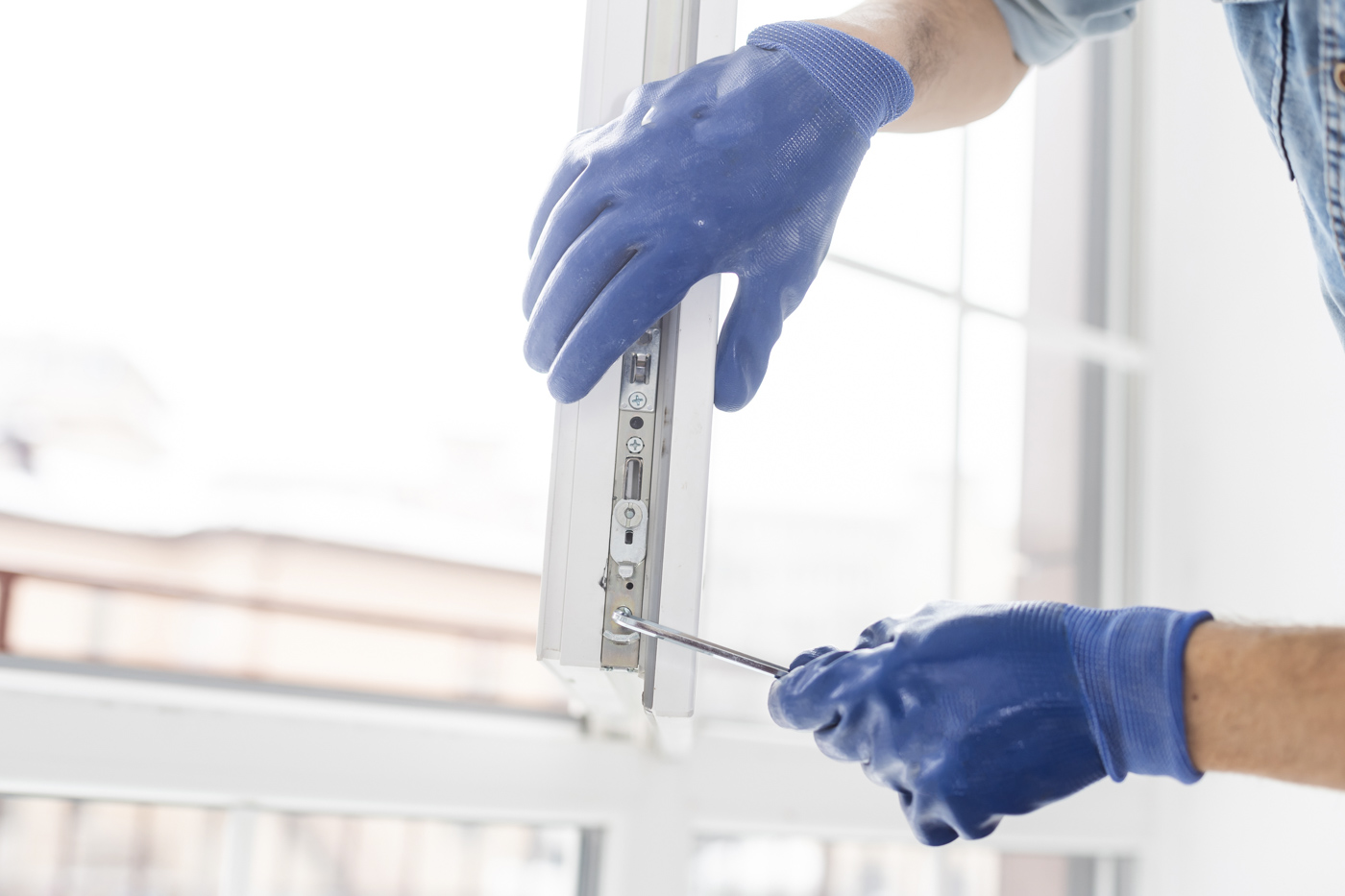
House window repair is often the right first step when the issue is small and the frame is still in good shape. Common repair needs include worn weatherstripping, minor leaks, damaged hardware on nearby opening windows, or small seal issues caught early. Repair can restore function and comfort without the cost of a full replacement.
It is especially useful when you want to improve a room before winter but are not ready for a major renovation. A professional inspection can tell you if the window is structurally sound and whether repair will provide lasting value. If you need expert help, Prime Core offers doors and windows services for homeowners dealing with seasonal drafts, moisture, and aging units.
When house window glass replacement is the better option
Sometimes the frame is fine, but the glass itself has failed. In that case, house window glass replacement may solve the problem. This is common with double-pane windows that look foggy between the panes, have a visible crack, or no longer insulate well.
Replacing the glass can be a practical middle-ground solution. You keep the existing frame while improving clarity and thermal performance. For homeowners who love the current style of their window but want better winter comfort, this can be a smart move. It is also useful when preparing for a home sale and trying to improve appearance without a full remodel.
Signs your glass may need replacement
- Condensation trapped between panes
- Cracks or chips in the glass
- Cold spots near the window
- Noticeable increase in outside noise
- Higher heating bills without another clear cause
When full house window replacement is worth it
House window replacement is usually the best long-term option when the window is old, the frame has rot or warping, or the unit no longer meets your comfort needs. If you are upgrading to picture windows specifically to maximize light, replacement also gives you the chance to resize the opening and improve the overall design of the room.
Many homeowners search for house window replacement near me when they are tired of repeated repairs that never fully solve the issue. In colder parts of Canada, old windows can contribute to heat loss, ice buildup, and indoor discomfort. A properly installed modern unit can improve insulation, reduce drafts, and brighten the home at the same time.
For the best result, work with experienced professionals who understand local conditions, moisture control, and proper installation methods. You can also contact our certified technicians if you want advice on whether repair or replacement is the better fit for your home.
Planning Picture Windows with a Smart Homeowner Checklist
Whether you are replacing one window or redesigning a whole room, planning matters. A careful review now can prevent expensive surprises later. This is where a house inspection checklist becomes very helpful. It gives you a simple way to assess not just the glass, but the wall, trim, insulation, and surrounding finishes before work begins.
What to include in your house inspection checklist
Before choosing a picture window, check these areas:
- Look for drafts around the frame and trim
- Check for water stains, peeling paint, or soft drywall
- Inspect exterior caulking and flashing condition
- Note any fogging, cracks, or glass damage
- Measure how much direct daylight the room currently gets
- Consider privacy from neighbours and street view
- Ask whether the wall is suitable for a larger fixed unit
In many cases, this checklist helps homeowners decide if they need a simple repair, house window glass replacement, or a full upgrade. It also makes it easier to speak with a contractor and get accurate recommendations.
Cleaning and maintaining large glass areas
One question many homeowners ask after installing bigger windows is: how do window cleaners clean windows so well, especially large fixed panes? The answer is usually a mix of the right tools, safe access, and streak-free technique. Professionals often use squeegees, extension poles, non-abrasive cleaners, and detailed edge work to keep large glass clear.
For DIY cleaning, use a soft microfibre cloth, a gentle glass cleaner, and avoid harsh scrubbing tools that may scratch the surface. Clean on a cloudy day if possible, since direct sun can dry cleaner too fast and leave streaks. Also inspect seals and frames while cleaning, so you catch small issues before they grow into bigger repair costs.
Picture windows can transform a dark room into one of the brightest spaces in the home. With the right planning, proper inspection, and expert installation, they are a strong investment for Canadian homeowners who want more light and better comfort through winter.
Design Ideas That Help Picture Windows Work Better in Canadian Homes
Once you have decided that a picture window could improve your space, the next step is planning how it will fit into the room and the rest of the home. A large fixed window can do much more than brighten one wall. When it is sized, placed, and finished properly, it can change how the whole room feels during dark Canadian winters. It can make a small room seem larger, help connect indoor spaces to outdoor views, and create a cleaner, more modern look without making the home feel cold or stark.
Many homeowners focus first on the glass itself, but the surrounding design matters just as much. Frame material, trim colour, wall placement, nearby furniture, and even floor finishes can all affect how much light a room reflects and how comfortable the space feels in January and February. In homes across Toronto, Markham, Kitchener, Barrie, Brampton, Hamilton, and other Canadian communities, picture windows are often used not only for beauty but also for practical winter comfort.
Best rooms for picture windows
Picture windows can work in many parts of the home, but some rooms benefit more than others. Living rooms are one of the most popular choices because families spend a lot of time there during winter. A larger glass area can make the room feel less closed in on short, grey days. Dining rooms are another strong option, especially if they face the backyard or a quiet street with a pleasant view.
Stairwells and upper landings are also worth considering. These areas are often darker than the rest of the house and can feel narrow or boxed in. A well-placed picture window can pull daylight deeper into the home and brighten multiple levels at once. In some houses, a picture window in a home office can also improve daytime comfort and reduce the need for artificial lighting.
Bedrooms can benefit too, but privacy needs to be considered carefully. If the window faces a neighbour, street, or shared side yard, homeowners may want frosted side glazing elsewhere, layered window coverings, or a higher window placement. The main goal is to increase natural light without creating discomfort.
Combining picture windows with operating windows
Because picture windows do not open, many homeowners pair them with windows that do. This is one of the most practical design choices for Canadian homes. A large fixed centre pane with casement or awning windows on the sides can provide both light and ventilation. This setup is especially useful in living rooms, kitchens, and bedrooms where airflow still matters in spring and summer.
This combination also gives you more flexibility if you are replacing older units. If one section of the wall is ideal for a fixed pane and another needs fresh air access, your contractor can help create a balanced layout that supports both comfort and appearance. If your current operable units are sticking, leaking, or showing seal failure, it may be time to look into expert window repair before deciding whether to keep them beside a new picture window.
Using trim, paint, and finishes to reflect more winter light
A picture window brings in light, but your interior finishes help spread it. Lighter wall colours, soft white trim, satin paint finishes, and reflective surfaces can all make a room feel brighter. This does not mean everything has to be plain white. Warm neutrals, pale greys, soft beige tones, and natural wood can still keep the room feeling inviting while helping daylight move around the space.
Flooring matters too. Medium-tone wood, light tile, or even area rugs in softer colours can support a brighter winter interior. Heavy dark drapes, oversized furniture placed directly in front of the glass, and deep wall colours can reduce the visual effect of a picture window. Homeowners who want the biggest impact should think of the project as a full room-lighting improvement, not just a glass upgrade.
Making the most of outdoor views
Picture windows are called that for a reason. They frame the outdoors almost like artwork. In winter, that can mean snow-covered trees, a quiet backyard, or a skyline view. Even when the weather is cold, a connection to the outdoors can make a room feel calmer and more open. If your home backs onto a ravine, park, or garden, a picture window can turn that view into a major feature.
Not every home has a dramatic landscape, but even a modest yard can feel more attractive when the window placement is thoughtful. Contractors will often recommend aligning the glass with the best sightline rather than centring it only according to the room’s interior layout. This is especially helpful in detached and semi-detached homes where one side of the property may offer much more privacy or visual appeal than another.
Energy Efficiency, Glass Technology, and Winter Performance
In Canada, natural light is important, but not at the expense of heat loss. Homeowners often worry that a larger window means a colder room. That can be true with outdated products or poor installation, but modern picture windows can perform very well when chosen carefully. Today’s insulated glass units, quality spacers, Low-E coatings, gas fills, and strong frame systems make it possible to enjoy more daylight without sacrificing comfort.
This is one of the biggest reasons professional planning matters. A picture window should not be selected based only on size or appearance. It should also match the climate, direction of sun exposure, and condition of the wall opening. What works in one part of the house may not be the best choice in another.
How modern glass helps in cold climates
Most modern high-performance windows use double-pane or triple-pane insulated glass. Between the panes, there may be argon gas or another insulating fill that helps reduce heat transfer. Low-E coatings are also common. These thin coatings reflect heat in useful ways, helping keep warmth inside during winter while still allowing natural light to enter.
For Canadian homeowners, this matters a great deal. During long winters, a poor-quality window can create cold zones near the wall, encourage condensation, and make the furnace work harder. A properly built picture window can reduce these issues significantly. If your current unit feels icy to the touch, has visible moisture problems, or causes drafts, it may be time to consider window installation instead of continuing to patch an older system.
Frame materials and why they matter
The glass gets most of the attention, but the frame is just as important. Vinyl is a common choice in Canada because it offers good insulation, low maintenance, and solid value. Fibreglass is another strong option, especially for homeowners looking for durability and stability in temperature swings. Wood can still be beautiful and effective, but it requires more maintenance and must be protected carefully from moisture.
Aluminum-clad systems may also be used in some designs, especially when appearance is a priority. The right frame depends on budget, style, and performance goals. In all cases, the installation quality matters just as much as the product. Even an energy-efficient window can underperform if the opening is not sealed and insulated properly.
Understanding condensation in winter
Many homeowners assume that condensation always means the window has failed, but that is not always the case. In winter, indoor humidity can collect on cold surfaces, especially if there is a lot of moisture in the home from cooking, showers, or humidifiers. Some condensation on the interior side of glass may be related to humidity levels rather than a broken unit.
However, condensation between panes usually points to seal failure. That means the insulated glass unit is no longer performing as intended. If you notice fogging trapped inside the glass, the issue should be inspected. In some cases, glass replacement may be possible. In others, especially with older systems, full replacement is the better investment.
Simple ways to reduce winter window condensation
- Use kitchen and bathroom exhaust fans regularly
- Keep indoor humidity at a reasonable winter level
- Allow warm air to circulate near windows
- Avoid blocking the glass fully with heavy coverings all day
- Check for seal failure if moisture appears between panes
If condensation is persistent and your windows are older, it is wise to have them assessed before the problem affects trim, paint, or drywall. Moisture damage around a window can turn a simple upgrade into a larger repair project.
Orientation and seasonal sunlight
Where the picture window faces can affect both comfort and energy performance. South-facing windows usually receive the most winter sunlight, which can be helpful for brightening the home and adding some passive solar warmth. East-facing windows bring in strong morning light, while west-facing windows can create bright afternoons. North-facing windows often provide softer, cooler light and may need stronger thermal performance to stay comfortable in winter.
This does not mean one direction is always best. The right choice depends on your layout, privacy needs, and how the room is used. A contractor familiar with local conditions can help you balance daylight, glare control, and insulation. In many homes, the best solution is not simply “the biggest window possible,” but the best-sized window with the right glazing package.
Installation Considerations, Structural Planning, and Common Mistakes to Avoid
Installing a picture window is not the same as swapping one small unit for another of the same size. In many cases, homeowners want a larger opening to bring in more light. That can involve structural review, updated framing, exterior finishing, and careful waterproofing. This is where planning becomes especially important.
Canadian homes deal with snow, freeze-thaw cycles, wind, and rain, so windows need to be installed with proper flashing and air sealing. A beautiful new unit can quickly become a problem if water gets behind the trim or cold air leaks around the frame. That is why homeowners should work with professionals who understand local building practices and product performance.
When enlarging a window opening makes sense
If your current window is small and the room remains dark most of the winter, enlarging the opening may be worth considering. This is a common choice in older homes where window sizes were more limited or where the original layout did not prioritize natural light. A larger picture window can dramatically improve the room, but the wall must be assessed first.
Structural factors include whether the wall is load-bearing, how the header will be supported, and whether electrical or plumbing elements are nearby. Exterior siding, brickwork, and interior drywall repairs may also be part of the project. This is not usually a simple DIY task, especially in homes where code compliance and weatherproofing are critical.
Why proper sealing and flashing are essential
One of the most important parts of any window installation is the weather barrier around it. Flashing helps direct water away from the opening, while insulation and sealants reduce air leakage. In a Canadian winter, even small gaps can lead to drafts, discomfort, and higher heating bills. Over time, moisture intrusion can also damage framing and finishes.
Homeowners sometimes focus on visible details like trim and glass style while overlooking what is happening behind the wall. A professional installer will inspect the rough opening, address any hidden damage, and make sure the new window is integrated correctly with the building envelope. This is especially important in older homes where previous repairs may not have been done properly.
Common homeowner mistakes when choosing picture windows
Picture windows are a strong investment, but only when the project is planned carefully. Some of the most common mistakes include choosing a window that is too large for the room, ignoring privacy concerns, selecting the wrong glazing for the orientation, or assuming all windows perform the same in winter. Another frequent mistake is trying to save money by installing a premium unit into a weak or damaged opening without addressing the surrounding structure.
Homeowners also sometimes forget to think about furniture placement, curtain options, and cleaning access. A large fixed pane should be easy to maintain and practical for daily life, not just attractive in photos. If the project is part of a broader update, it can also be smart to review nearby doors for style, insulation, and condition. Matching sightlines, trim details, and hardware finishes can create a more finished result. If your exterior door is aging, sticking, or no longer sealing properly, professional door installation services may help complete the upgrade.
Permits, codes, and local requirements
Not every window project requires the same approvals, but larger changes may involve permit requirements depending on the municipality and the scope of work. If the opening size changes, structural elements are modified, or the work affects egress or safety requirements, local rules may apply. This can vary by city and province, so homeowners in places like Toronto, Brampton, Markham, Hamilton, Kitchener, and Barrie should always confirm what is needed for their specific project.
Canadian building standards also matter for energy performance and installation practices. Working with an experienced company helps reduce the risk of missed details. Good contractors understand how to align product choice with climate conditions, code expectations, and long-term durability.
Repair or Replace Nearby Components for a Better Overall Result
A picture window upgrade often reveals other issues nearby. Once homeowners improve one part of the exterior wall, they may notice that adjacent windows, trim, or doors are also underperforming. This does not mean every project needs to become a full renovation, but it does mean the surrounding elements should be reviewed honestly.
For example, if your new picture window is installed beside an old drafty side window, the room may still feel uneven in winter. If the front entry door leaks air or the weatherstripping is worn, you may still notice cold spots near the same part of the house. Looking at the full opening system can help you get better value from the work.
How old doors and windows affect comfort
Homes lose comfort in more than one place. Drafts around frames, cracked caulking, failed insulated glass, warped sashes, and worn door seals can all contribute to heat loss. Sometimes homeowners replace one window expecting a full solution, only to find that other weak points remain. A room with one excellent new picture window can still feel chilly if nearby openings are in poor condition.
This is why a full inspection is useful before starting. Prime Core provides doors and windows services that help homeowners assess what should be repaired, what can be upgraded later, and what should be replaced now for the best result. A practical plan can save money and avoid repeat labour.
When door repair should be part of the discussion
Although this article focuses on picture windows, exterior doors play a major role in winter comfort too. If your home has a front door, patio door, or side entry near the area being upgraded, it makes sense to inspect those components at the same time. Air leaks around a damaged or misaligned door can offset some of the comfort gains from a new window.
Signs of trouble include visible light around the frame, difficulty latching, moisture near the threshold, peeling interior trim, or cold drafts along the floor. If these issues are present, it may be worth arranging door repair as part of the same seasonal improvement plan. Coordinating the work can also help create a more consistent appearance inside and out.
Budgeting wisely for phased upgrades
Not every homeowner wants or needs to do everything at once. In many cases, the best approach is phased improvement. Start with the room that needs light the most. Replace the unit that is causing the biggest energy or moisture problem. Then plan future upgrades around budget, priority, and seasonal timing.
A phased plan works especially well when guided by a professional inspection. You may find that one window needs immediate replacement, another only needs repair, and a nearby door can wait another year with minor maintenance. This kind of balanced approach is often more realistic than trying to tackle the whole house at once.
Questions to ask before hiring a contractor
Whether you are replacing one window or redesigning a wall, asking the right questions can help you avoid surprises. Homeowners should ask about product options, insulation values, installation methods, warranty coverage, expected timelines, and whether structural review is needed. It is also helpful to ask how the company handles interior finishing, exterior trim, and cleanup.
A good contractor should be able to explain the difference between repair, glass replacement, and full replacement in clear terms. They should also be willing to discuss what is necessary now versus what can wait. If you are unsure where to start, you can contact our certified technicians for window repair solutions and guidance on the most practical next step for your home.
Long-Term Value of Picture Windows for Canadian Homeowners
Picture windows are not only about appearance. When chosen carefully and installed properly, they can add long-term value in several ways. They improve daylight, support comfort, enhance curb appeal, and may make the home feel more spacious and updated. For homeowners thinking about resale, bright and welcoming interiors often leave a strong impression on buyers.
There is also a lifestyle benefit that should not be overlooked. Canadian winters can be hard, especially when skies stay grey for days at a time. A brighter room can improve how often you use the space and how comfortable it feels throughout the season. That has real value, even if it does not show up directly on a receipt.
Better daily living in winter
Homes are where people spend a great deal of time in winter, especially during cold snaps and storms. Rooms with more natural light tend to feel more inviting for reading, working, eating, or spending time with family. A picture window can also make winter scenery feel like part of the home rather than something shut out by small, outdated openings.
This is particularly helpful in open-concept layouts, where one well-placed large window can brighten multiple zones. In narrower homes, it can also reduce the tunnel-like feeling that some older rooms have during short daylight hours.
Potential resale appeal
Many buyers notice windows quickly, even if they do not speak in technical terms about glazing or thermal breaks. Clear, modern, well-finished windows make a home feel cared for. They can also suggest lower maintenance and better energy performance, which matters in Canada. If your current windows are visibly dated, foggy, or poorly sealed, replacement may improve both comfort now and market
