

Bump keys can turn a small lock weakness into a real home security risk. This guide explains how lock bumping works, why some locks are more vulnerable, and what Canadian homeowners can do to improve lock defence with practical bump key protection, anti-bump locks, and smart security upgrades.
What Homeowners Should Know About Lock Bumping
Lock bumping is a break-in method that targets standard pin tumbler locks. It is fast, quiet, and often leaves very little visible damage. For homeowners, that makes it a serious issue. Good bump key protection starts with understanding how this method works and why some locks are easier to open than others.
What is lock bumping?
Lock bumping is a technique where a specially cut key, called a bump key, is inserted into a compatible lock. With a small amount of force, the pins inside the cylinder briefly jump into place, allowing the lock to turn. In simple terms, it takes advantage of a common lock vulnerability found in many older or lower-grade locks.
This method is often associated with basic residential locks that use standard pin systems. Not every lock can be bumped easily, but many traditional locks can be at risk if they do not have bump-resistant features. That is why bump prevention has become an important part of modern home security.
Why lock bumping matters in Canada
Across Canada, homeowners are paying more attention to entry-point security. In cities such as Toronto, Hamilton, Brampton, and Markham, many homes still use older deadbolts or builder-grade hardware. While these locks may meet basic needs, they may not offer the advanced security needed against newer break-in methods.
Weather also plays a role. Canadian winters can wear down door frames, strike plates, and lock components over time. A lock that is already weak from age or poor alignment may have even more lock vulnerability. That is why a full security enhancement should look at both the lock and the condition of the door.
If you are reviewing your home’s entry points, professional locksmith services can help identify weak spots and suggest practical protection methods for your property.
Which locks are most at risk?
Some locks are more vulnerable than others. The most commonly affected are:
- Older pin tumbler deadbolts
- Low-cost door knob locks
- Builder-grade locks with basic internal pins
- Worn locks with loose or damaged cylinders
Higher-quality hardware usually includes anti-bump locks or bump-resistant cylinders designed to reduce the effect of impact on the pins. These products often use security pins, tighter tolerances, and improved keyways as part of a stronger lock defence.
Common signs of lock vulnerability
You may need a security upgrade if you notice any of the following:
- Your lock is more than 10 years old
- The key turns roughly or sticks often
- The deadbolt feels loose in the door
- The lock came with a basic pre-hung door package
- You have never updated the hardware after moving in
These signs do not always mean your lock will be bumped, but they do suggest weaker overall protection. In many cases, a proper inspection can reveal whether replacement is the safer option.
Bump Key Protection: Practical Ways to Improve Lock Defence
The best bump key protection usually comes from combining better hardware with better installation. A strong lock on a weak door is not enough. True security enhancement means treating the whole entry system as one unit.
Upgrade to anti-bump locks
One of the most effective protection methods is replacing outdated locks with anti-bump locks. These are designed to resist lock bumping through internal features that interrupt the movement needed for a bump key to work.
When choosing a new lock, look for:
- Bump-resistant certification or product details
- High-security cylinders
- Hardened inserts and security pins
- Solid deadbolt construction
- Compatibility with Canadian doors and frames
Not all products are equal. Some locks are marketed as secure but offer only minor improvements. A qualified technician can recommend a security upgrade that fits your door type, usage, and budget.
If your front entry is older or damaged, pairing a lock replacement with door repair services can improve both safety and performance.
Reinforce the door, frame, and strike plate
Even the best bump-resistant lock has limits if the surrounding structure is weak. Many break-ins happen because the frame splits or the strike plate pulls free. This is why lock defence should include reinforcement around the lock.
Simple improvements that make a difference
- Install longer screws in the strike plate and hinges
- Use a reinforced strike box for the deadbolt
- Check door alignment so the bolt extends fully
- Replace cracked frames or loose trim
- Choose a solid core or metal entry door where possible
These changes support bump prevention by making forced entry harder overall. They also improve day-to-day function, especially during seasonal expansion and contraction caused by Canadian weather.
Consider layered advanced security
For many homeowners, the smartest approach is layered advanced security. That means combining bump-resistant locks with other tools that reduce opportunity and increase visibility.
Useful options include:
- Smart locks with high-security mechanical backups
- Video doorbells and entry cameras
- Motion lighting near front, side, and back doors
- Alarm monitoring for main entry points
- Window locks and secondary barriers near doors
Layered systems are especially helpful for detached homes, townhouses, and rental properties. They can also support insurance expectations, though homeowners should always confirm requirements with their provider.
For a broader look at entry-point upgrades, Prime Core offers security and home services that can support a more complete protection plan.
DIY Checks and When to Call a Professional Locksmith
There are a few helpful checks homeowners can do on their own, but lock security should always be handled carefully. A poor installation can reduce the benefit of even the best anti-bump locks.
DIY steps you can take today
If you want to improve bump key protection right away, start with these practical steps:
- Test each exterior lock for smooth operation
- Make sure the deadbolt extends fully into the frame
- Inspect the strike plate for loose screws
- Look for rust, wear, or movement in the cylinder
- Confirm all spare keys are accounted for
You can also review whether your locks match the level of risk at each door. For example, a back door hidden by a fence or trees may need a stronger security upgrade than a front entry with lights and camera coverage.
When expert help is the better choice
If your hardware is outdated, damaged, or poorly installed, professional help is the safest move. A trained locksmith can assess lock vulnerability, recommend bump-resistant options, and install them correctly for better performance.
This is especially important if:
- You recently moved into a new home
- Your locks are old or from mixed brands
- Your door frame is shifting or cracked
- You want keyed-alike or high-security systems
- You are upgrading multiple entry points at once
Professional service also matters because local building practices vary across Canada. Door thickness, frame design, and hardware compatibility can affect the right solution. Working with experienced technicians helps ensure your lock defence is practical, code-aware, and built for long-term use.
Homeowners looking for local support can explore Prime Core service areas in Canada to find help with lock upgrades, repairs, and complete entry security improvements.
Taking action before a problem happens is always the better approach. With the right protection methods, a thoughtful security enhancement plan, and reliable installation, you can reduce the risk of lock bumping and make your home feel safer every day.
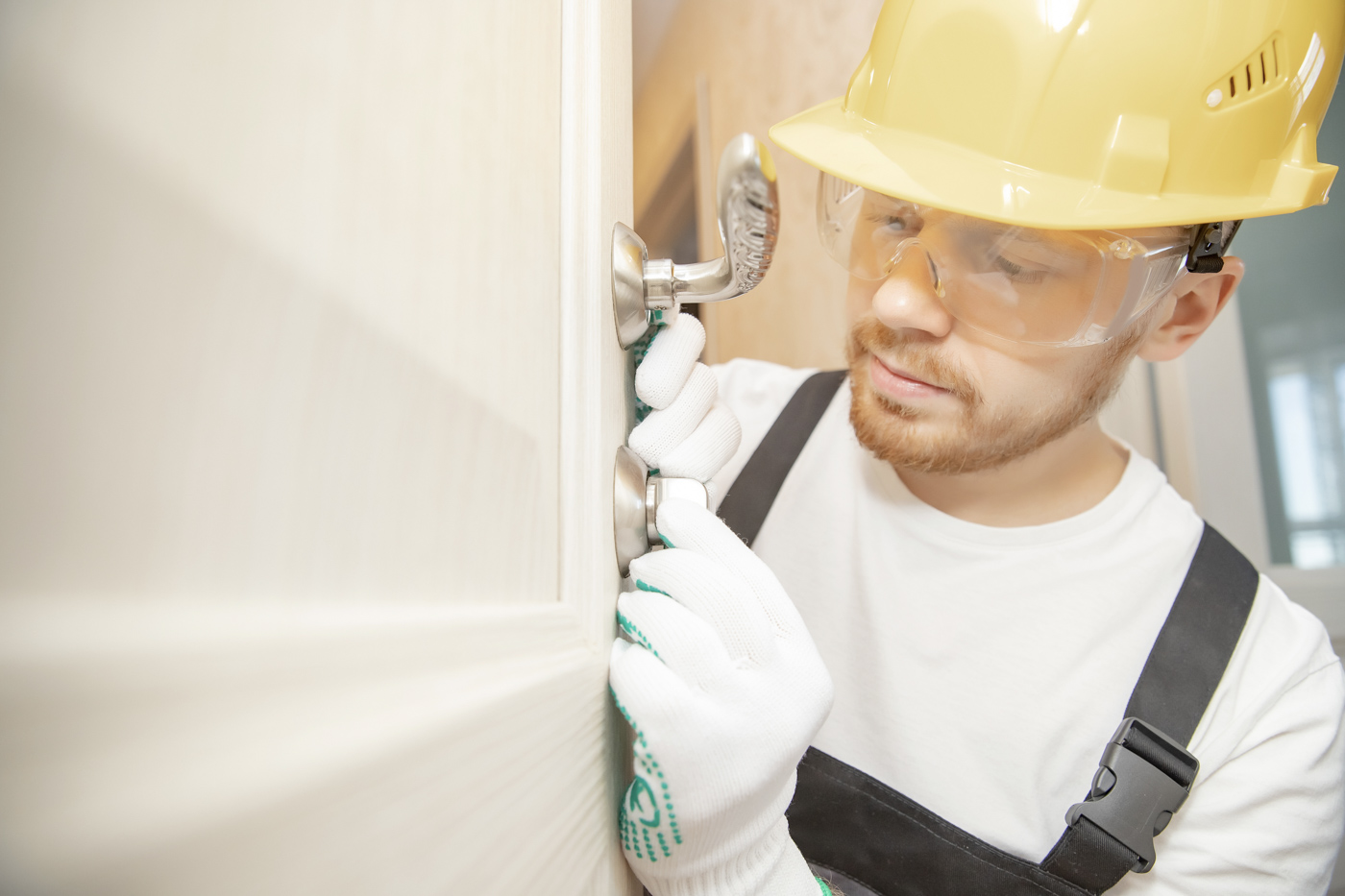
How to Choose the Right Bump-Resistant Upgrade for Your Home
Not every security upgrade offers the same level of bump key protection. The right choice depends on your current hardware, the condition of your doors, and how your home is used day to day. For Canadian homeowners, it helps to think beyond the lock alone and look at the full entry system.
What to look for in anti-bump locks
If you are replacing an older deadbolt, focus on products built for real bump prevention rather than basic retail convenience. Quality anti-bump locks are designed with internal parts that reduce the chance of lock bumping and improve overall lock defence.
Good options often include:
- Security pins that interrupt the bumping action
- Restricted or more complex keyways
- Heavy-duty cylinders with tighter machining tolerances
- Solid deadbolt housings that resist wear over time
- Tested hardware that meets recognized residential security standards
In Canada, many homeowners also want hardware that performs well through freezing temperatures, moisture, and seasonal movement. A lock can be bump-resistant on paper, but if it sticks badly in winter or does not align with the frame, its real-world performance drops. That is why proper fitting matters just as much as product quality.
Match the lock to the door and frame
A strong cylinder installed on a weak or damaged door may not deliver the security enhancement you expect. If the frame is soft, the strike plate is loose, or the slab is splitting, your lock vulnerability may still be high even after a hardware change.
Before choosing a lock, check:
- Whether the door is solid core, metal, or hollow
- If the frame is secure and free from cracks
- Whether the deadbolt lines up cleanly with the strike plate
- If the bore holes are worn or oversized
- Whether the hinges and latch area feel stable
If the door itself needs attention, upgrading both the lock and entry structure often provides better long-term value. Homeowners planning a full entry refresh can review door installation services when older exterior doors no longer support modern security needs.
Think about all entry points, not just the front door
Front doors get the most attention, but side doors, garage access doors, and basement walkouts are often more exposed. These areas may have less lighting, less street visibility, and older hardware. That makes them important parts of any advanced security plan.
Walk around your property and look for:
- Rear entries hidden by fences or landscaping
- Doors connected to the garage
- Rental suite or secondary entrance doors
- Patio doors with weak auxiliary locking systems
- Windows close enough to reach interior thumb-turns
A complete review helps you apply protection methods where they matter most. In many homes, one weak side entry creates more risk than the main front deadbolt.
Extra Protection Methods That Support Bump Prevention
Reliable bump key protection usually works best as part of a layered plan. Anti-bump locks are a major step, but they are even more effective when paired with practical habits and visible security improvements.
Improve visibility around entrances
Burglars often prefer quiet, low-visibility access points. Better lighting and sightlines can reduce opportunity and support your lock defence. This is a simple security enhancement that many homeowners can start right away.
Easy visibility upgrades
- Install motion-sensor lights near all exterior doors
- Trim shrubs blocking the view of locks and handles
- Use clear address numbers so emergency help can find you faster
- Keep porch lights working year-round
- Add cameras where packages and visitors are recorded
These steps do not replace bump-resistant hardware, but they support bump prevention by making suspicious activity easier to notice.
Do not overlook windows and connecting doors
Home security is only as strong as the easiest way in. If a criminal cannot defeat a lock through lock bumping, they may simply look for a nearby weak point. Ground-floor windows, old sliding doors, and garage-to-house doors all deserve attention.
That is why homeowners often combine lock upgrades with broader entry-point improvements. If you are reviewing the condition of multiple openings, doors and windows services can help support a more complete security upgrade.
For example, a reinforced front lock offers better value when nearby windows also latch properly and the side entry closes tightly. This kind of layered advanced security is especially useful in busy urban areas such as Toronto and Brampton, where homes may sit close together and side access can be less visible.
Rekeying, replacement, or full hardware upgrade?
Homeowners often ask whether rekeying is enough. Rekeying can be useful if you moved into a new home or lost a key, but it does not automatically solve bump key protection concerns. If the cylinder design itself has a lock vulnerability, changing the key pattern alone will not make it bump-resistant.
In general:
- Rekeying helps control key access
- Cylinder replacement improves resistance if you choose better hardware
- Full lock replacement is best when the lock is old, loose, or low grade
A professional assessment can help you avoid spending money on a partial fix when a full security upgrade would serve you better.
Professional Installation and Long-Term Lock Defence
Even the best anti-bump locks can underperform if they are installed incorrectly. Small errors in alignment, screw length, or cylinder fit can reduce security and create daily frustration. For homeowners who want dependable results, expert installation is often the smartest investment.
Why professional installation matters
Proper installation improves both security and durability. A trained technician can spot issues that are easy to miss, such as frame spread, weak mounting points, and incompatible hardware sizes. This is especially important in older Canadian homes, where settling and weather exposure may have changed the way doors close over time.
Professional installers can also help with:
- Choosing bump-resistant hardware that fits your door thickness
- Making sure the deadbolt throws fully into the frame
- Reinforcing the strike area without damaging trim
- Coordinating keyed systems across several doors
- Balancing security with fire-safety and egress needs
If you want help comparing options, scheduling an inspection, or improving residential lock defence, Prime Core offers professional locksmith services tailored to Canadian homes.
Maintenance tips for lasting advanced security
Once your new hardware is installed, a little maintenance goes a long way. Good upkeep supports security enhancement and helps your locks stay reliable through all seasons.
Try these simple habits:
- Check screws and strike plates twice a year
- Clean debris from the latch and threshold area
- Lubricate approved lock parts when recommended by the manufacturer
- Watch for swelling doors during humid or freezing weather
- Replace worn keys before they damage the cylinder
These small steps help preserve bump-resistant performance and reduce wear that can lead to future lock vulnerability.
When to book a home security review
It is a good idea to book a review if you have recently moved, completed renovations, had a break-in nearby, or noticed signs of wear around your main entries. Homeowners in growing communities such as Markham, Hamilton, and Kitchener often update locks as part of broader home improvement work, especially when older builder-grade hardware no longer matches today’s security expectations.
Bump key protection is not about fear. It is about making smart, practical choices before a problem happens. With the right anti-bump locks, proper reinforcement, and clear protection methods, you can reduce the risk of lock bumping and build stronger everyday security.
If you are ready to improve your home’s entry protection, learn more about Prime Core or contact Prime Core to discuss a security upgrade that fits your home, budget, and local needs.
