

Lock security audits help protect Canadian government facilities, staff, and visitors by finding weak points before they become serious risks. This guide explains how a security audit works, what institutional locks are reviewed, and why regular checks support security compliance, public safety, and stronger building security.
Why Lock Security Audits Matter in Canadian Government Buildings
Government buildings serve the public every day. From municipal offices and service centres to courthouses and administrative spaces, these sites must balance open access with strong protection. A proper security audit helps decision-makers understand whether current locks, doors, key systems, and access points still meet the needs of a busy public building.
In Canada, government security is not only about stopping break-ins. It is also about protecting records, staff areas, controlled zones, and essential operations. A weak lock on one side entrance can affect the safety of the entire site. That is why lock reviews are a key part of institutional security planning.
For many official buildings, older hardware is still in use long after the building’s purpose has changed. A site that once had limited foot traffic may now see hundreds of visitors each day. Over time, wear, outdated key control, and poor maintenance can reduce building security and create gaps in security compliance.
A lock security audit gives facility managers a clear picture of what is working, what is outdated, and what should be upgraded first. It can also support budgeting by identifying the most urgent issues before they turn into expensive emergency repairs.
What a Security Audit Looks at
A professional audit focuses on the full picture, not just a single lock. A trained government locksmith will usually inspect:
- Main entry and exit doors
- Restricted offices and records rooms
- Master key systems
- Institutional locks on high-traffic doors
- Door closers, hinges, frames, and strike plates
- Emergency exit hardware and life-safety function
- Access control points and lock compatibility
- Areas exposed to weather, vandalism, or heavy use
This process helps identify both security and operational problems. For example, a door may lock properly but fail to close fully in winter due to frame movement. In a Canadian climate, seasonal expansion, moisture, and freezing conditions can all affect lock performance.
Why Government Facilities Need a Higher Standard
Homes and small businesses often use standard residential or light commercial hardware. Government facilities usually need stronger solutions. These spaces handle sensitive information, public access, and strict emergency procedures. Because of that, institutional locks are designed for durability, controlled access, and repeated daily use.
Public safety is another major reason for routine audits. A lock that jams during an emergency can create serious risk. On the other hand, a door that does not secure properly can allow unauthorized entry. In both cases, the issue affects more than property loss. It can affect staff confidence, public trust, and the safe operation of the building.
Teams responsible for professional locksmith services often recommend regular reviews for official buildings because lock systems age faster in busy environments. Even a well-built system needs inspection, testing, and updates over time.
Key Areas Reviewed During a Lock Security Audit
A strong security audit does more than list broken parts. It reviews how people move through the building and whether each locking point supports that flow safely. In a public building, every entrance has a different role, and each one should be reviewed with care.
Perimeter Doors and Public Entrances
The outer shell of a building is the first line of defence. Main entrances, side doors, staff entrances, loading areas, and accessible entry points all need attention. Auditors check whether locks match the door type, whether panic hardware works properly, and whether frames show signs of stress or forced entry.
Canadian building codes and fire requirements also matter here. Doors must support safe exit while still protecting the site from unauthorized access. This balance is especially important in government facilities where many visitors may be unfamiliar with the layout.
Common perimeter issues found in audits
- Loose lock cylinders or worn deadlatches
- Misaligned doors that do not latch fully
- Damaged weatherstripping affecting closure
- Old hardware that no longer meets current use demands
- Poor key control for secondary entrances
In many cases, these issues can be corrected before they become major failures. If a building already has signs of door wear, related repairs may also be needed. Prime Core’s door repair services can help support secure operation where door condition affects lock performance.
Interior Restricted Areas and Departmental Access
Not all risks come from the outside. Many government security concerns involve interior spaces such as file rooms, IT rooms, staff-only offices, storage areas, and service counters. A security audit checks whether these rooms have the right level of protection based on what they contain and who should enter.
For example, a shared office may only need standard controlled access, while a records room may require tighter key management or restricted credentials. If too many people have the same key, accountability becomes weak. If no one knows who has which key, security compliance becomes difficult to maintain.
This part of the audit often reveals outdated master key systems. Over the years, duplicate keys, staff turnover, and undocumented changes can make a once-organized system hard to control. Re-keying, lock replacement, or a redesigned hierarchy may be recommended.
Emergency Exits and Life-Safety Hardware
Emergency exits are one of the most sensitive parts of a public building. They must open quickly and reliably in an emergency, but they also need protection against misuse and after-hours entry. A security audit checks exit devices, alarms, door closers, and lock function to make sure they support both safety and security.
This is where institutional security and public safety come together. If exit hardware is too hard to use, it may create risk during an evacuation. If it is damaged or bypassed, it may weaken the building’s overall protection. In Canadian facilities, this review should always consider local fire rules, accessibility requirements, and occupancy needs.
Property teams looking for trusted local support can learn more about Prime Core’s locksmith experience and how trained technicians approach complex security needs in high-use buildings.
How Audits Improve Security Compliance and Long-Term Planning
A lock audit is not just a maintenance task. It is a planning tool. When government facilities document the condition of locks and access points, they can make better decisions about upgrades, staffing procedures, and future capital work. This is especially useful for older official buildings where hardware may have been changed in stages over many years.
Supporting Security Compliance
Security compliance often depends on consistency. Locks should match policy, access should match job roles, and emergency hardware should function as intended. A documented audit helps confirm whether the building follows internal procedures and external requirements.
It also creates a record of due diligence. If an incident happens, having a recent audit on file shows that the facility took reasonable steps to review and maintain building security. That can be valuable for internal reporting, insurance matters, and risk management.
Prioritizing Upgrades Without Overspending
Not every lock needs immediate replacement. One benefit of a professional security audit is that it helps separate urgent issues from longer-term improvements. A government locksmith can identify which locks are failing now, which ones are outdated but still serviceable, and which areas would benefit most from upgraded institutional locks or better key control.
This phased approach helps public building managers protect budgets while still improving government security. It also reduces emergency callouts by dealing with weak points early.
If your team is reviewing multiple access points across municipal or provincial sites, explore security and building services that support practical upgrades, repairs, and ongoing maintenance across Canada.
Best Practices for Lock Management in Official Buildings
Once a security audit is complete, the next step is turning findings into a practical plan. For Canadian government facilities, that usually means improving lock management, tightening access rules, and making sure every public building can support daily operations without creating security gaps. Good hardware matters, but strong procedures are just as important for long-term institutional security.
Key control and access accountability
One of the most common problems in government facilities is poor key control. Over time, keys are copied, handed over between departments, or kept after staff changes. Even if the institutional locks themselves are still in decent shape, weak tracking can reduce government security and make a building harder to manage.
A reliable key control program should answer a few basic questions clearly:
- Who has access to each area?
- When was each key issued?
- Has any key been lost, copied, or not returned?
- Do current access levels still match job responsibilities?
For official buildings, this is especially important in records rooms, IT spaces, maintenance areas, and staff-only zones. During a security audit, a government locksmith may recommend re-keying certain sections, reducing the number of master keys in circulation, or moving to a more controlled system for sensitive areas.
These steps support security compliance by improving accountability. They also help protect public safety by reducing the chance of unauthorized entry into restricted spaces. For property teams managing multiple sites, working with professional locksmith services can make it easier to standardize lock policies across locations.
Matching hardware to the purpose of the space
Not every door in a government facility needs the same lock function. A front service entrance, a staff office, an archive room, and an emergency exit all have different needs. One of the biggest benefits of a detailed security audit is that it shows whether the current hardware actually matches the purpose of each space.
In busy public building environments, lock selection should consider:
- Traffic volume throughout the day
- Need for free exit during emergencies
- Level of access restriction required
- Exposure to weather or vandalism
- Compatibility with existing doors and frames
For example, a heavily used municipal entrance may need stronger institutional locks and closer inspection of hinges, strikes, and panic hardware. A lower-traffic office may only need better key control and routine servicing. Choosing the right solution for each opening helps improve building security without overspending on unnecessary upgrades.
When doors and frames affect lock performance
Even high-quality locks can fail if the door or frame is damaged. In older government facilities, years of use, shifting foundations, and seasonal weather can affect alignment. If a latch does not meet the strike correctly, staff may force the door, leave it unsecured, or assume the lock is defective when the real issue is structural wear.
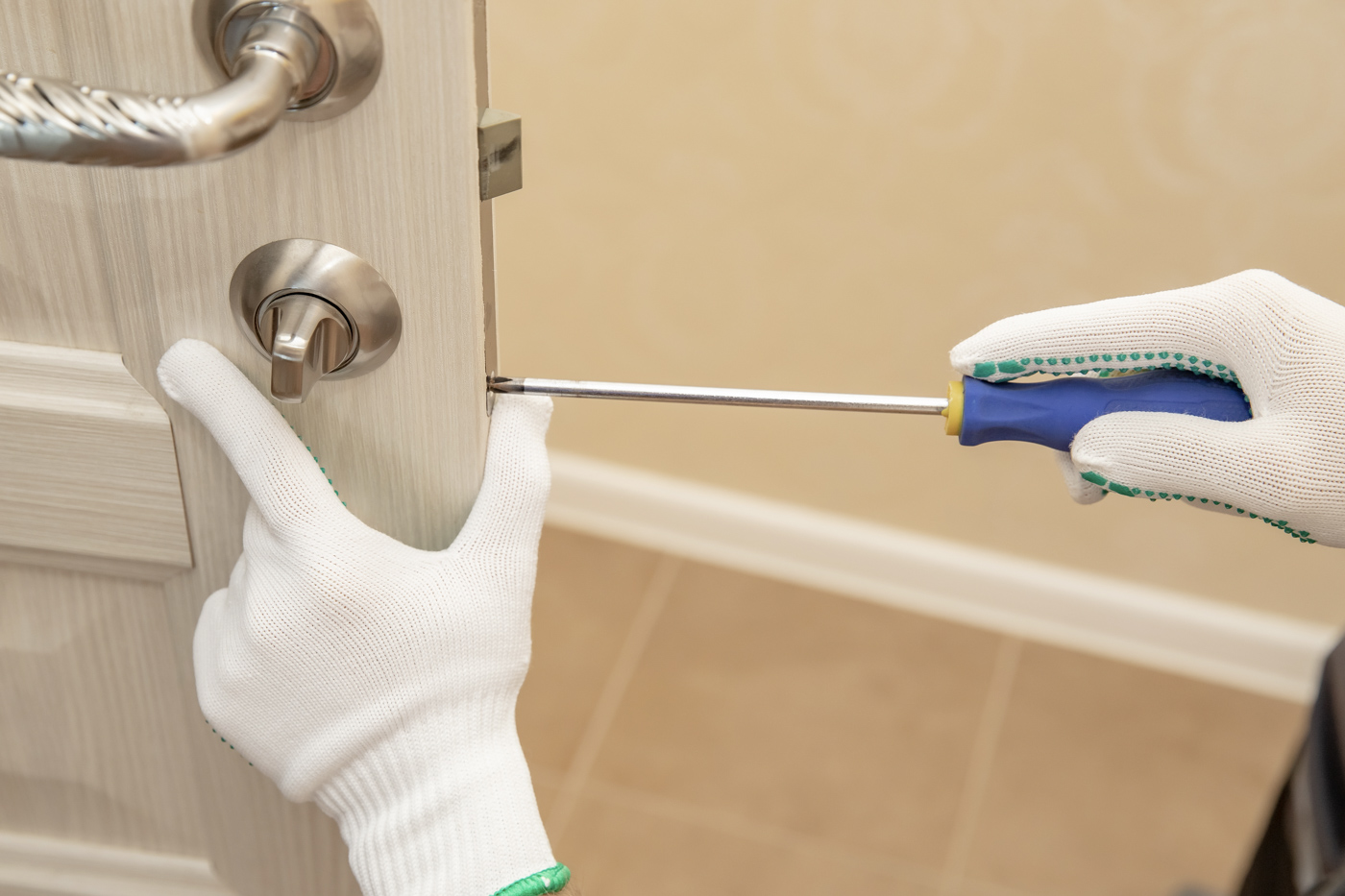
That is why many audits review more than cylinders and keys. They also look at the full opening. If there are signs of sagging, poor closure, or frame damage, related repairs may be needed to restore proper security. Prime Core offers doors and windows services that can help support secure, reliable operation where door condition affects locking hardware.
Common Risks Found During Government Security Reviews
Many lock issues in government facilities are not dramatic at first. They often begin as small maintenance concerns and grow into larger security problems. A routine security audit helps catch these risks early, before they affect service delivery, staff confidence, or public trust.
Outdated institutional locks and aging systems
Older official buildings often have a mix of hardware installed over many years. Some locks may be original, while others were replaced after a break-in, renovation, or staffing change. This patchwork approach can create inconsistency across the building and weaken institutional security.
Common signs of aging systems include stiff keyways, loose levers, unreliable latching, and lock models that are difficult to service. In some cases, replacement parts are no longer easy to source. When that happens, a simple repair can turn into a larger access problem.
For government facilities, outdated hardware can also make security compliance harder to maintain. If a lock no longer supports current access policy or emergency requirements, it may need to be upgraded even if it still works some of the time.
Unauthorized access through overlooked openings
Security reviews often focus on main entrances first, but side doors, service corridors, storage rooms, and linked exterior openings can be just as important. A public building may have one well-secured front entry and several weaker secondary points that receive less attention.
These overlooked areas can include:
- Rear staff entrances with inconsistent key control
- Basement or service doors used by contractors
- Shared access points between departments
- Garage or loading areas connected to secure zones
In larger government facilities, these openings should be reviewed as part of the whole security picture. If a service bay or utility entrance is attached to the building envelope, its condition can affect overall government security. In some cases, related access points may also need attention through building security and repair services to support a complete solution.
Emergency hardware that no longer performs properly
Public safety depends on doors opening when they should and securing when they should. Exit devices, closers, and latch mechanisms wear down over time, especially in buildings with constant daily traffic. If these parts are not tested regularly, problems may only become obvious during an emergency or after a security incident.
For Canadian public building operators, this is a serious concern. Life-safety hardware must work in line with local code requirements while still supporting government security objectives. A proper audit helps identify where emergency hardware has been altered, blocked, or worn beyond reliable use.
Planning Upgrades for Better Public Safety and Compliance
After a security audit identifies gaps, the best approach is usually a phased upgrade plan. This allows facility managers to improve security compliance and building security in a manageable, budget-conscious way. It also helps avoid reactive spending on emergency failures.
Prioritizing high-risk areas first
Not every recommendation needs to happen at once. The most urgent work usually involves doors that protect sensitive information, staff-only areas, and high-traffic public access points. These locations have the greatest impact on public safety and day-to-day operations.
A practical upgrade plan may start with:
- Re-keying after staffing or tenant changes
- Replacing worn institutional locks on perimeter doors
- Repairing frames, closers, or strike alignment issues
- Improving control of master keys and restricted keys
- Reviewing emergency exits for code and function
This kind of planning is useful across municipalities, provincial offices, and multi-site government facilities. It also helps create a clear record of due diligence for internal reporting and risk management.
Building a routine review schedule
One audit is helpful, but regular reviews provide the best long-term results. Government facilities change over time. Departments move, staff roles shift, public traffic increases, and buildings age. A lock system that worked well five years ago may not fully support today’s needs.
Scheduling routine inspections helps keep government security current. It also reduces the chance of surprise failures during busy periods or severe Canadian weather. Many facilities benefit from annual reviews, with additional checks after renovations, break-ins, staffing changes, or major access updates.
Teams looking for local support can review Prime Core service locations to find help for government facilities and official buildings in different parts of Ontario.
Choosing experienced support for government facilities
Government locksmith work is different from standard residential service. It requires an understanding of institutional locks, public access needs, emergency egress, and the practical demands of official buildings. The right provider should be able to identify weak points, explain upgrade options clearly, and support both urgent repairs and long-term planning.
For Canadian property managers and administrators, the goal is simple: protect people, protect assets, and keep the building operating safely. A detailed security audit is one of the best ways to do that. It helps uncover hidden risks, improve security compliance, and strengthen the overall safety of government facilities.
If your site needs a professional review of locks, doors, and access points, contact Prime Core for trusted support. Their team can help assess building security needs, recommend practical upgrades, and support safer, more reliable public buildings across Canada.
