

Intercom and buzzer system integration with door locks can improve security, convenience, and visitor control for Canadian homes and small buildings. This guide explains how intercom systems, electronic entry, and access control work together, what homeowners should consider, and how to choose a practical setup.
How Intercom and Buzzer System Integration Works with Door Locks
Intercom systems are no longer just for large apartment buildings. Today, many Canadian homeowners use a building intercom, door buzzer, and smart locking setup to manage front-door access in a safer and more convenient way. When intercom systems are connected to communication locks, they create a complete entry system that lets you speak to visitors, verify who is outside, and unlock the door without opening it manually.
At the most basic level, the system includes three parts: a door communication device at the entrance, an indoor station or mobile app for the homeowner, and an electronic entry lock or strike. When a guest presses the call button, the intercom sends audio or video to the person inside. If the visitor is approved, the buzzer integration triggers the locking hardware to release the door.
This type of building access solution is useful for detached homes, duplexes, laneway suites, condo units, and small commercial-residential properties. It adds a stronger layer of visitor control while reducing the need to walk to the door every time someone arrives. For homeowners who want dependable professional locksmith services, proper installation and lock compatibility are key.
Main Components in a Modern Entry System
A well-designed entry system usually includes more than a speaker and a button. Depending on the property, the setup may include:
- Audio-only or video intercom systems
- A door buzzer or electric strike
- Magnetic locks or smart deadbolts
- Keypads, FOB readers, or card access control devices
- Mobile app support for remote building access
- Power supply and backup battery
Each part must work together properly. For example, not every lock is designed for buzzer integration, and not every intercom can control every kind of electronic entry device. That is why homeowners should think about the full system rather than buying one piece at a time.
Why Homeowners Are Upgrading to Intercom Systems
Many people first look into intercom systems after a missed delivery, unwanted solicitation, or concern about front-door safety. In busy cities like Toronto, Hamilton, and Brampton, door communication tools are especially helpful where foot traffic is higher and homeowners want better screening before opening the door.
Some of the biggest benefits include:
- Safer communication with unknown visitors
- Faster entry for family members, caregivers, or tradespeople
- Better visitor control for multi-unit homes
- Convenient remote access for deliveries
- Improved property value and modern curb appeal
These systems also support daily convenience in winter. During a cold Canadian morning, being able to grant entry from inside the house is a practical advantage. If your door hardware is older or damaged, combining intercom upgrades with door repair services can help the whole setup perform more reliably.
Common Applications in Canadian Homes
Intercom and buzzer integration is flexible enough for many property types. In a single-family home, it may be used at the main front entrance or side gate. In a duplex or triplex, a building intercom can route calls to separate units. In basement apartments or secondary suites, it gives tenants and owners a more organized way to manage building access.
For older homes, retrofitting may require extra wiring, updated frames, or weather-resistant components. In newer homes, wireless intercom systems may be easier to add, especially when paired with smart communication locks. Canadian weather matters here. Outdoor units should be rated for rain, snow, and temperature swings, especially in Ontario and other provinces where freeze-thaw cycles can affect electronics and door alignment.
Choosing the Right Access Control and Door Communication Setup
The best intercom systems are the ones that match how your household actually uses the door every day. Before choosing equipment, think about who needs access, how often visitors arrive, and whether you want audio only, video, keypad entry, or smartphone control. Good access control is about balancing security with convenience.
Audio vs. Video Intercom Systems
Audio intercom systems are simple and cost-effective. They allow two-way communication and basic door buzzer release. For some homes, that is enough. Video systems add another layer by showing who is at the door before you unlock it. This can improve visitor control, especially for families, seniors, or households receiving frequent deliveries.
Video options are often the better choice when:
- Your front entrance is not fully visible from inside
- You receive packages often
- You want a record of visitor activity
- You share the building with tenants or extended family
However, video systems may require stronger Wi-Fi, more power, and more careful placement. Glare, snow buildup, and poor lighting can also affect camera performance, so professional positioning is important.
Wired vs. Wireless Entry Systems
Wired entry systems are often chosen for reliability. They can be a strong option for new builds, major renovations, or multi-unit properties where stable communication is important. Wireless systems are easier to install in finished homes and can reduce labour costs, but they still need dependable network coverage and secure configuration.
When comparing the two, consider:
- Installation complexity
- Long-term maintenance
- Power backup options
- Signal strength and interference
- Compatibility with existing locks and frames
If you are unsure which setup fits your property, reviewing your options with access control and entry system services can save time and prevent costly mistakes later.
Lock Compatibility Matters More Than Many Homeowners Expect
One of the most overlooked parts of buzzer integration is lock compatibility. The intercom may work perfectly, but if the lock, electric strike, or magnetic release is not matched correctly to the door, the system can become unreliable. This is especially true on heavier exterior doors, metal frames, or doors that shift slightly with seasonal humidity.
Questions to Ask Before Installation
- Is the current door lock compatible with electronic entry?
- Will the frame support an electric strike?
- Does the door close and latch properly in all seasons?
- Is backup access available during a power outage?
- Will the system meet local fire and safety requirements?
In Canada, life safety and egress rules should never be ignored. Any access control setup on a residential or mixed-use building must allow safe exit in an emergency. Depending on the municipality and building type, there may also be electrical and low-voltage code considerations. A qualified installer can help make sure the system is both secure and compliant.
Planning for Security, Convenience, and Long-Term Performance
A good building intercom setup is not just about opening the door remotely. It should support your long-term security needs, work in Canadian weather, and stay easy to use for everyone in the home. That means planning beyond the first day of installation.
Features That Improve Daily Use
Homeowners often get the best results when they focus on practical features instead of flashy extras. Useful upgrades may include timed unlock settings, mobile alerts, night vision cameras, keyless codes for trusted visitors, and integration with smart home routines. These features can make building access smoother without making the system confusing.
It also helps to think about future needs. If you may add a gate, separate suite entrance, or upgraded front door later, choose intercom systems that can grow with the property. Homeowners across Ontario often benefit from working with local specialists who understand both older homes and modern electronic entry hardware. To learn more about the company’s experience and approach, visit about Prime Core.
Simple Maintenance Tips for Reliable Visitor Control
Even the best communication locks and entry systems need occasional maintenance. Outdoor panels should be kept clean and checked for moisture buildup. Door closers and hinges should be adjusted if the latch starts sticking. Backup batteries should be tested on schedule, and app-based systems should receive firmware updates when available.
Homeowners can handle some basic checks themselves, but recurring issues such as buzzing without release, delayed audio, or inconsistent unlocking usually point to wiring, power, or hardware alignment problems. In those cases, professional diagnosis is the safest next step. If you need help with your current setup or want to plan a new one for your property, you can contact our certified technicians for expert guidance.
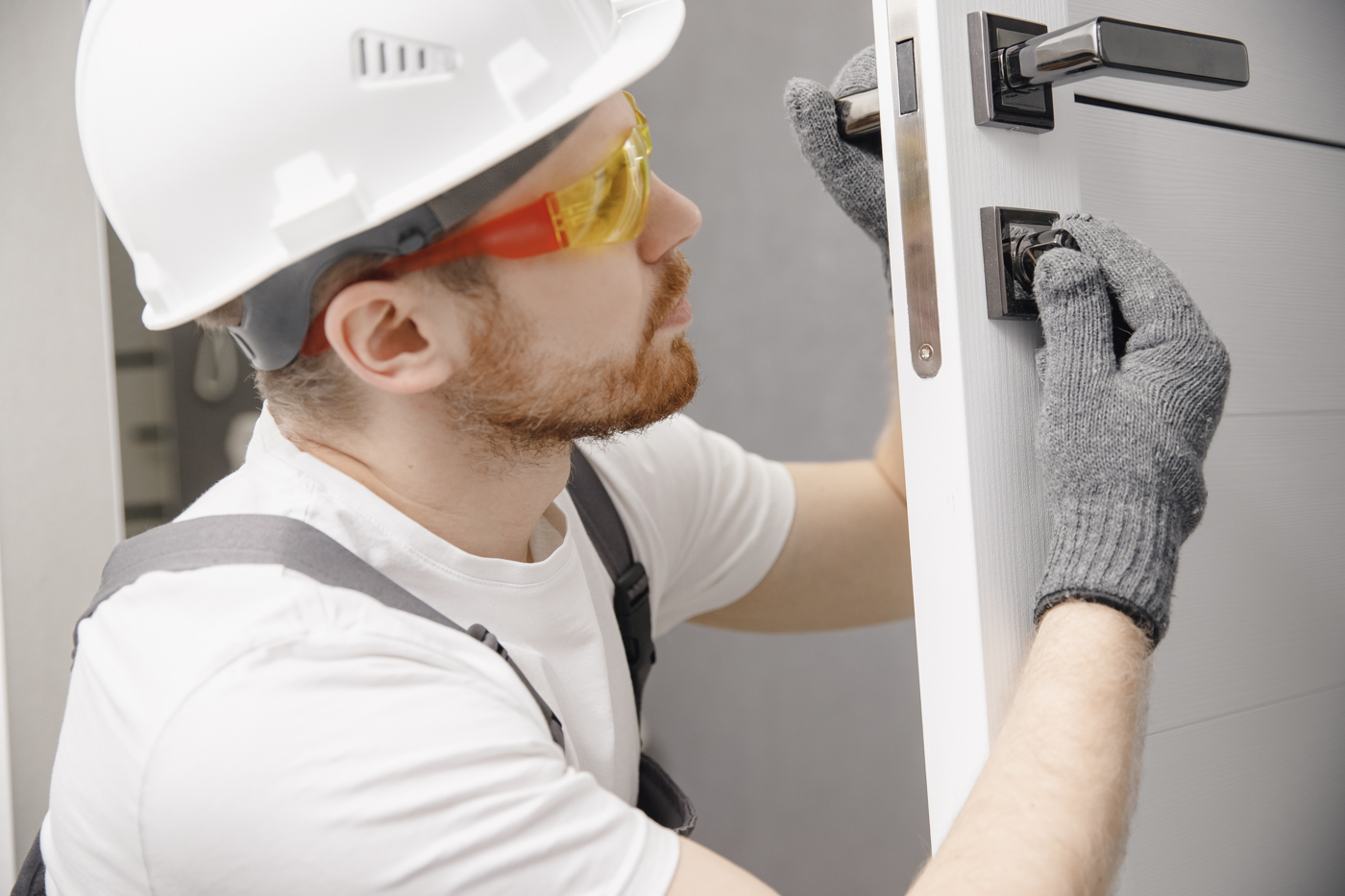
Installation Considerations for Reliable Electronic Entry
Once you have chosen the right mix of intercom systems, buzzer integration, and locking hardware, the next step is making sure everything is installed correctly. A strong system depends on more than the devices themselves. The condition of the door, frame, wiring, and power supply all affect how well your electronic entry setup performs over time.
For many Canadian homes, especially older properties, the entrance may need small upgrades before a new entry system can work properly. A warped frame, loose hinges, or poor latch alignment can cause communication locks and electric strikes to fail even when the electronics are working as expected. That is why it is often smart to review the full entrance condition before adding building access technology.
Door and Frame Preparation
A door buzzer or electric strike needs a stable, properly aligned door to release and re-secure consistently. If the door drags, swells in humid weather, or does not latch tightly, visitor control becomes less dependable. In Ontario and across Canada, seasonal expansion and contraction can change how exterior doors sit in the frame.
Before installation, homeowners should check:
- Whether the door closes smoothly without force
- If the latch lines up correctly with the strike area
- Whether the frame is solid enough for electronic hardware
- If weatherstripping is causing extra pressure on the lock
- Whether the entrance is protected from direct rain and snow
If the entrance already has wear or alignment issues, combining the upgrade with door installation services may provide a better long-term result than trying to fit modern access control onto a weak or outdated setup.
Power, Wiring, and Backup Planning
Every building intercom and door communication system needs dependable power. Some systems use low-voltage wiring, while others combine wired power with wireless communication. In either case, backup planning matters. During a power outage, the system should still allow safe exit, and homeowners should know whether the lock will fail secure or fail safe.
This is especially important in Canadian winters, when storms can affect hydro service. A backup battery can keep the intercom systems and door buzzer working long enough to avoid access problems. Homeowners should also ask where cables will run, how outdoor connections will be protected from moisture, and whether surge protection is recommended.
When Professional Installation Makes the Biggest Difference
DIY homeowners can install some basic wireless entry systems, but integrated setups are more complex when they involve electric strikes, magnetic locks, or multi-point access control. Professional installation reduces the chance of problems such as poor audio, delayed release, buzzing without unlocking, or damage to the frame.
Working with entry system and security services is especially helpful when the property includes a secondary suite, shared front entrance, or older construction. A trained technician can match the intercom, buzzer integration, and lock hardware so the full system works as one unit instead of a collection of separate parts.
Best Practices for Visitor Control and Everyday Use
After installation, the real value of a building intercom comes from how well it supports daily life. Good visitor control should feel simple, not complicated. Whether you live in Toronto, Markham, Kitchener, or a smaller Ontario community, the right habits can help your building access setup stay secure and convenient.
Create Clear Access Rules for the Household
One of the easiest ways to improve security is to decide in advance who gets access and how. For example, family members may use a code or app, while service providers use temporary access during a set time window. This reduces the need to share physical keys and gives homeowners more control over building access.
Helpful rules may include:
- Assign unique codes instead of one shared household code
- Change temporary codes after contractors or guests leave
- Review app permissions when phones are replaced or lost
- Teach children how to use the intercom safely
- Do not unlock the door unless the visitor is confirmed
These simple habits make intercom systems more effective and reduce the chance of accidental access.
Use Smart Features Without Overcomplicating the System
Many electronic entry products now include mobile apps, video logs, motion alerts, and scheduling tools. These features can improve door communication and convenience, but only if they are easy for the household to use. A system that is too complicated often gets ignored or misused.
For most homeowners, the best setup is one that covers the basics very well:
- Clear two-way audio or video
- Fast door buzzer response
- Reliable lock release
- Safe emergency exit
- Simple controls for everyday access
If you want to add smart functions later, choose equipment that can expand without forcing a full replacement. Homeowners researching long-term options can also explore the security and home improvement blog for more practical guidance on locks, doors, and electronic entry upgrades.
Maintenance Habits That Prevent Common Problems
Like any entrance hardware, communication locks and intercom systems work best with regular care. Dirt, moisture, loose wiring, and door movement can slowly affect performance. Small checks a few times a year can prevent bigger repair bills later.
Good maintenance includes cleaning the outdoor panel, testing the microphone and speaker, checking the release button, inspecting visible wires, and making sure the door still latches properly. In colder regions of Canada, it is also wise to clear ice from the threshold and confirm that snow buildup is not blocking the door or exterior unit.
If the system starts acting up only in certain seasons, the issue may be mechanical rather than electronic. A shifting frame or swollen door can interfere with the strike and make it seem like the buzzer integration is failing. In those situations, both the lock and the entrance should be inspected together.
Making the Right Long-Term Choice for Your Property
The best intercom systems are the ones that fit your home today and still make sense a few years from now. A single-family house may only need one front-door station, while a duplex or rental property may need a more advanced building intercom with separate calling options. Thinking ahead can help you avoid replacing equipment too soon.
Match the System to the Property Type
Detached homes often benefit from simple video door communication with app-based electronic entry. Multi-unit properties usually need stronger visitor control, separate user permissions, and more durable access control hardware. If there is a gate, side entrance, or detached garage, it may also be worth planning for future expansion.
For properties with multiple access points, homeowners sometimes overlook how the front entry system should work alongside other parts of the home. A complete approach to security may include stronger doors, improved lighting, and updated locks throughout the property. If you need help evaluating the full setup, contact our certified technicians for practical recommendations tailored to your entrance, lock type, and daily needs.
Think About Service, Support, and Local Experience
Not all systems are equally easy to maintain. Before buying, ask how replacement parts are sourced, whether firmware support is available, and how future repairs are handled. Local experience matters, especially in Canada where weather exposure, older housing stock, and municipal code requirements can all affect installation choices.
Choosing a provider with hands-on locksmith knowledge is often the safest route because access control is not just about electronics. It is also about door function, lock compatibility, secure mounting, and safe emergency egress. That combination is what makes a system dependable year-round.
Intercom and buzzer system integration with door locks can give homeowners better building access, smoother visitor control, and more confidence at the front door. When the right intercom systems, communication locks, and electronic entry hardware are matched carefully, the result is a practical upgrade that improves both security and convenience. If you are planning a new installation or upgrading an older entry system, Prime Core can help you choose a solution that fits your home, your budget, and Canadian conditions.
