

Healthcare facilities in Canada need strong, reliable lock systems to protect patients, staff, records, and restricted areas. This guide explains how healthcare security works in hospitals, clinics, and other medical buildings, and what to look for in lock services that support safety, access control, and daily operations.
Why Lock Services Matter in a Canadian Healthcare Facility
Every healthcare facility depends on secure, well-managed access. From a busy hospital in Toronto to a neighbourhood clinic in Hamilton, lock systems play a direct role in patient safety, staff protection, privacy, and smooth daily operations. Unlike a standard office or retail space, a medical facility often has public entrances, restricted treatment rooms, medication storage, records areas, staff-only zones, and emergency exits that must all work together.
That is why healthcare security needs a more careful approach than basic door hardware. A lock that works fine in a small commercial unit may not be enough for a health facility with constant traffic, sensitive information, and strict safety expectations. In many cases, healthcare access must be controlled without slowing down doctors, nurses, support staff, or emergency responders.
For property managers and administrators looking for professional locksmith services, it helps to understand that medical security is about more than keeping doors locked. It is about allowing the right people in, keeping the wrong people out, and reducing risk at every entry point.
Key security goals in hospitals and clinics
Lock services in a medical building usually support several goals at once:
- Protecting patients, visitors, and staff
- Restricting access to medication, labs, and records
- Supporting emergency response and safe evacuation
- Reducing theft, vandalism, and unauthorized entry
- Maintaining privacy in line with healthcare best practices
In Canada, healthcare sites also need to think about fire code compliance, accessibility rules, and local building standards. A door cannot simply be made more secure if that change interferes with emergency egress or barrier-free access. A qualified healthcare locksmith understands how to balance institutional security with life safety requirements.
Why standard locks are often not enough
In a home or small business, one deadbolt and one key may be enough. In a hospital locks system, that approach quickly becomes hard to manage. Staff changes, shift work, temporary contractors, delivery access, and high visitor volume all create security gaps if the site relies only on traditional keys.
Common issues include lost keys, copied keys, worn cylinders, doors that do not latch properly, and poor key tracking. In a clinic security plan, even one weak door can create a serious problem. For example, if a supply room or server room is left vulnerable, the whole medical facility may face disruption.
This is where routine assessment matters. A trusted provider can inspect hardware, review traffic flow, and recommend upgrades that fit the building’s size, use, and budget. If you want to learn more about the company behind these solutions, visit the Prime Core team.
Common Lock and Access Needs in a Medical Building
No two healthcare sites are exactly alike, but most share a core set of security needs. A walk-in clinic, long-term care centre, dental office, and major hospital all need dependable entry systems that support both security and convenience. The best healthcare security plans are layered, meaning they combine physical locks, controlled access, staff procedures, and regular maintenance.
Public entrances and reception areas
The main entrance is often the busiest part of a health facility. It must welcome patients and visitors while still preventing loitering, after-hours entry, and unsafe access to private zones. In many cases, this means using commercial-grade locks, automatic door systems, panic hardware, and scheduled locking functions.
Reception doors and side entrances should also be reviewed regularly. A door that does not close fully can weaken the entire clinic security setup. Even in smaller medical offices, front access should be designed with both visibility and control in mind.
Restricted rooms and sensitive areas
Some parts of a medical building require tighter control than others. These may include:
- Medication rooms
- Patient file storage
- IT and server rooms
- Laboratories
- Staff-only treatment areas
- Maintenance and utility rooms
These spaces often benefit from master key systems, high-security cylinders, keypad entry, or card access. The right choice depends on how many people need access and how often permissions change. In a busy hospital, electronic systems can make healthcare access easier to manage because staff credentials can be updated without replacing physical locks.
Mechanical vs electronic locks
Mechanical locks remain useful in many healthcare settings because they are durable and familiar. However, electronic locks offer better audit trails, faster rekeying, and more flexible access control. For example, a clinic can give one employee access only during working hours, while a manager may have broader permissions.
That added control supports patient safety and strengthens overall medical security. It can also reduce the cost and disruption caused by lost keys.
Emergency exits and code compliance
Security should never block a safe exit. In Canadian healthcare properties, emergency doors must meet fire and life safety requirements while still protecting the site from misuse. Delayed egress devices, alarmed exit hardware, and properly installed panic bars may all play a role, depending on the building type and provincial code requirements.
This is one reason healthcare locksmith work should not be treated like a simple handyman job. Hardware must be installed correctly, tested regularly, and matched to the door, frame, occupancy type, and use pattern. If a lock is too difficult to operate, it can create serious safety concerns for patients, especially in senior care or mobility-sensitive environments.
For broader property upgrades that support secure entry points, many owners also explore doors and windows services to improve frames, closures, and overall building performance.
How Better Lock Systems Support Patient Safety and Daily Operations
Strong lock systems do more than stop break-ins. In a healthcare environment, they also help staff work more efficiently and help patients feel safer. When healthcare access is well planned, the building becomes easier to manage, especially during busy hours, overnight shifts, or emergency situations.
Reducing risk without creating delays
Doctors, nurses, cleaners, technicians, and administrators all move through a medical facility differently. A good access plan allows each group to reach the areas they need without unnecessary delays. At the same time, it limits access to spaces where they do not need to be.
This matters in every type of health facility. If too many people have keys to secure rooms, accountability becomes weak. If too few people can enter essential areas, operations slow down. A balanced system improves institutional security while keeping care delivery on track.
Supporting privacy and trust
Patients expect their personal information and treatment spaces to be protected. While digital privacy often gets the most attention, physical security is just as important. Locked records rooms, secure consultation areas, and controlled staff access all support trust in the facility.
In practical terms, that means a healthcare locksmith may recommend lock upgrades not just for exterior doors, but also for interior offices, storage spaces, and connecting corridors. Small changes can make a big difference in medical security over time.
Planning for maintenance and fast response
Even the best hospital locks and access systems need regular service. High-traffic doors wear out faster, closers go out of adjustment, and hardware can fail at the worst possible time. Preventive maintenance helps avoid lockouts, security gaps, and emergency repair costs.
It is also smart to work with a local provider that understands Canadian commercial properties and can respond quickly when issues come up. Whether you manage one clinic or several healthcare sites, having a reliable service partner makes long-term healthcare security easier to maintain. To find support in your area or request help, see contact our certified technicians.
With the right lock strategy, a medical facility can improve patient safety, strengthen clinic security, and create a more reliable environment for everyone who enters the building.
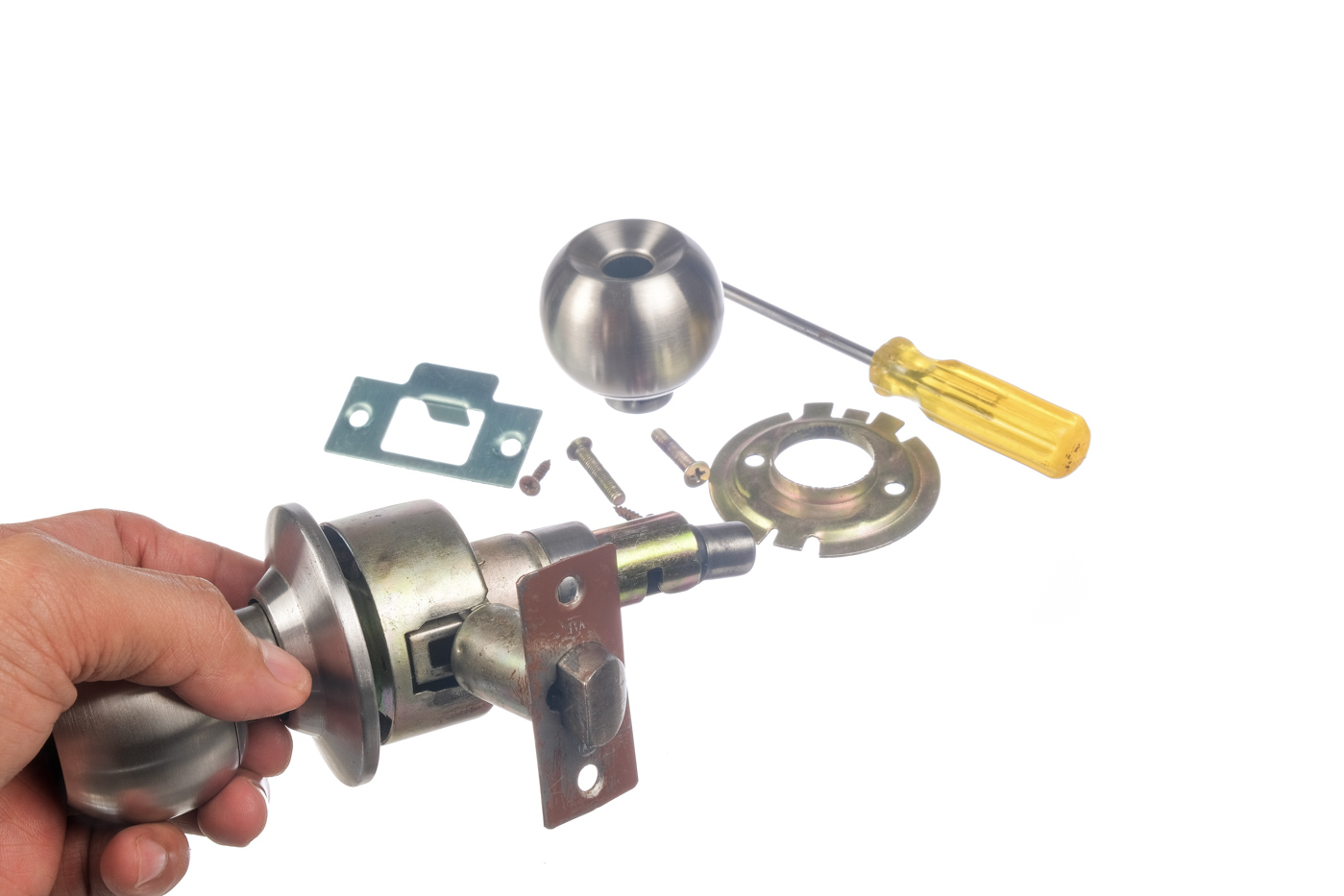
Choosing the Right Lock Services for Hospitals, Clinics, and Care Centres
Not every locksmith is prepared for the demands of a healthcare setting. A medical facility has different risks than a condo, storefront, or standard office. Doors may be used hundreds of times a day, access rules may change often, and some areas need tighter control at all hours. Because of that, healthcare security should be planned with long-term performance in mind, not just quick fixes.
When reviewing providers, managers should look for experience with commercial hardware, access systems, emergency lock service, and code-aware installation. In a hospital or clinic security project, the goal is not simply to replace a lock. It is to improve how the whole building functions while protecting patients, staff, and property.
What a healthcare locksmith should assess
A proper site review usually starts with the doors themselves. Even the best lock will not perform well if the frame is weak, the closer is failing, or the latch does not align. In many healthcare buildings, security problems begin with worn hardware rather than a break-in attempt.
A qualified healthcare locksmith should assess:
- Exterior doors, frames, and strike plates
- Interior restricted rooms and staff-only zones
- Master key structure and key control issues
- Electronic access points and user permissions
- Emergency exits and life safety hardware
- Door closers, hinges, and latching performance
This kind of review helps identify weak points before they lead to security failures. It also helps property teams prioritize upgrades based on risk, traffic, and budget. For many sites, the best path is a phased plan that improves the most sensitive areas first.
Signs your current system needs an upgrade
Many healthcare properties continue using outdated locks because the system still appears to work. However, small warning signs often point to bigger concerns. If keys are frequently lost, staff share credentials, or certain doors are hard to lock or unlock, the site may already have gaps in medical security.
Other warning signs include doors that slam, fail to latch, stick in humid weather, or need repeated repairs. In a health facility, these issues are more than inconveniences. They can affect patient safety, privacy, and emergency response.
It may be time to upgrade if:
- Too many people have access to sensitive rooms
- Rekeying happens often and creates downtime
- There is no record of who entered restricted areas
- Staff turnover makes key control difficult
- Older hospital locks no longer meet daily demands
Property owners who want a broader view of available solutions can explore commercial and property security services to compare repair, replacement, and upgrade options.
Planning around different healthcare environments
Healthcare access needs vary by building type. A walk-in clinic may focus on reception control, treatment room privacy, and after-hours locking. A long-term care home may need special attention on resident safety, delayed egress, and monitored exits. A large hospital may require layered access across wings, labs, pharmacies, loading areas, and administrative offices.
That is why one-size-fits-all solutions rarely work. A locksmith plan should match the building’s layout, hours, staff size, and patient population. In larger cities such as Toronto, Markham, or Brampton, higher traffic and more public access may call for stronger institutional security planning. In smaller communities, the focus may be on dependable hardware, easy maintenance, and fast local service.
Best Practices for Stronger Healthcare Access and Medical Security
Good lock systems are most effective when paired with clear security habits. Even high-quality hardware can be undermined by poor key control, propped-open doors, or delayed repairs. For Canadian healthcare facilities, the best results come from combining strong products with practical day-to-day procedures.
Use layered access instead of one lock style everywhere
A medical building should not treat every opening the same way. Public entrances, exam rooms, supply closets, and server rooms all carry different levels of risk. Layered healthcare security means choosing hardware based on the purpose of each space.
For example, a front entrance may use automatic operators and scheduled locking, while a medication room may require restricted keyways or electronic credentials. Staff offices may only need quality mechanical locks, while records storage may benefit from audit-capable access control. This layered approach improves clinic security without making the building harder to use.
Keep key control simple and documented
Many medical security issues come from poor key management rather than forced entry. If no one knows who holds which keys, it becomes difficult to respond when staff leave, roles change, or keys go missing. A clear sign-out process helps reduce that risk.
Helpful key control steps include:
- Assigning keys only to staff who truly need them
- Using restricted key systems to limit unauthorized copying
- Recording who received each key or credential
- Collecting access devices immediately when employment ends
- Reviewing permissions on a regular schedule
These simple steps support patient safety and make healthcare access easier to manage over time.
Do not overlook doors, frames, and closers
Locks are only one part of the opening. If a frame is loose or a closer is out of adjustment, the door may not secure properly. In a busy hospital or clinic, this can happen gradually and go unnoticed until a failure occurs.
Routine inspections should include the full opening, especially on high-traffic entrances and restricted rooms. In some cases, lock issues are really door issues. If the opening needs structural attention, door repair services can help restore proper alignment, closing, and security performance.
Why preventive maintenance matters
Preventive service is often more affordable than emergency repair. It reduces wear, catches small problems early, and helps avoid lockouts or unsecured areas during busy hours. For a health facility, that reliability matters just as much as strength.
Regular maintenance can include lubricating hardware, adjusting closers, checking panic devices, testing electronic readers, and reviewing door operation after seasonal temperature changes. Canadian winters, moisture, and heavy use can all affect how a medical building’s doors perform.
Working with a Canadian Security Partner for Long-Term Results
Healthcare properties need more than a one-time installation. They need ongoing support from professionals who understand commercial security, local conditions, and the importance of fast response. A trusted provider can help with planned upgrades, urgent repairs, rekeying, and advice on how to improve healthcare security as the facility changes.
It also helps to work with a company that serves multiple communities and understands the needs of different building types across Ontario and beyond. Whether you manage a clinic, private practice, care centre, or larger medical facility, local support makes it easier to maintain secure access and reduce downtime. You can learn more about available coverage through Prime Core’s service locations across Canada.
Questions to ask before hiring
Before choosing a provider, ask practical questions about response times, hardware options, experience with healthcare access, and ongoing maintenance support. It is also worth asking how they approach emergency exits, accessibility, and code-related concerns in a medical building.
A reliable team should be able to explain recommendations clearly, offer options that fit your budget, and focus on both security and daily usability. That balance is essential in any health facility where safety, privacy, and smooth operations all matter at once.
Strong hospital locks, well-planned clinic security, and reliable service all contribute to better patient safety and stronger institutional security. If your healthcare property needs lock upgrades, access control, rekeying, or urgent repairs, contact Prime Core for practical, professional support tailored to your medical security needs.
