

Barn doors bring together rustic style and smart space-saving design, making them a popular choice in Canadian homes. This guide explains how sliding barn doors fit farmhouse style, modern rustic interiors, and contemporary spaces, while covering materials, door hardware, planning, and practical installation tips for lasting results.
Why Barn Doors Work So Well in Canadian Homes
Barn doors have moved far beyond old farm buildings. Today, homeowners across Canada are choosing sliding barn doors for bedrooms, offices, laundry rooms, pantries, and even ensuite bathrooms. The reason is simple: they combine strong visual appeal with practical function. In homes where every square foot matters, a door that slides along the wall instead of swinging open can make a real difference.
For many people, barn doors offer the perfect mix of farmhouse style and modern living. They can warm up a newer home, add character to a condo, or help update an older property without a full renovation. Whether you prefer classic rustic doors with visible wood grain or sleek contemporary barn doors in black, white, or glass, there is a style that can suit almost any interior design plan.
The appeal of rustic style with a modern twist
One of the biggest reasons barn doors remain popular is their flexibility. In a traditional setting, they support country decor with natural wood, iron tracks, and a handcrafted look. In a more modern rustic home, they can soften clean lines and add texture. In a minimalist space, a flat-panel sliding barn door with simple door hardware can feel elegant rather than overly decorative.
This balance is especially appealing in Canadian homes, where design often blends comfort with practicality. Homeowners want rooms that feel welcoming in every season, from bright summer mornings to long winter evenings. Rustic doors can create that sense of warmth while still fitting modern layouts and finishes.
Where sliding barn doors fit best
Not every doorway is ideal for a barn door, but many are. These doors work especially well in areas where a swinging door would take up too much room. Popular spots include:
- Home offices that need privacy without heavy construction
- Pantries and laundry rooms where access should be easy
- Primary bedroom closets and walk-in wardrobes
- Basement rooms in finished lower levels
- Ensuites or shared bathrooms, depending on privacy needs
Canadian homeowners also like barn doors in multipurpose spaces. For example, one door can separate a guest room from a study area or divide an open-concept basement into more useful zones. If you are planning a larger update, exploring doors and windows services can help you coordinate new interior features with the rest of your home.
Do barn doors save space?
Yes, barn doors can save space because they slide parallel to the wall instead of opening into a room. This makes them a smart option for smaller bedrooms, narrow hallways, and compact bathrooms. However, they do require enough clear wall space beside the opening for the door panel to slide fully open.
That detail matters in real homes. Light switches, wall vents, artwork, and furniture placement all need to be considered before installation begins. A barn door may look simple, but good planning is what makes it work smoothly over the long term.
Choosing the Right Barn Door Style, Material, and Hardware
The best barn doors are not chosen on looks alone. Style matters, but so do weight, durability, privacy, and the quality of the track system. In Canada, where indoor humidity and seasonal temperature changes can affect materials, it is important to choose products that are stable and suitable for residential use.
Popular barn door styles for different interiors
There is no single look that defines a barn door. Some homeowners want a strong farmhouse style with cross-brace patterns and distressed wood. Others prefer contemporary barn doors with smooth surfaces and understated finishes. Popular options include:
- Natural wood doors for warm, rustic charm
- Painted doors in black, charcoal, white, or soft neutral tones
- Frosted glass panels for light flow and a more modern feel
- Reclaimed wood designs for bold country decor
- Minimal slab-style doors for streamlined interior design
If your home already includes wood beams, matte black fixtures, or textured flooring, sliding barn doors can tie the whole design together. If your space is more contemporary, a simpler profile with cleaner lines may be the better fit.
Best materials for Canadian homes
Solid wood is a favourite for rustic doors because it offers natural beauty and strength. That said, engineered wood or MDF can also be excellent choices, especially when you want a painted finish and better resistance to warping. For households with children or high daily use, durability should be a top priority.
Glass and metal combinations are also becoming more popular in urban Canadian homes. These styles can complement loft-inspired spaces or newer builds where farmhouse style needs a lighter, more refined touch. The right material depends on your budget, the room’s purpose, and how much sound separation you want.
Privacy and sound control considerations
One common question is whether barn doors provide the same privacy as standard hinged doors. In most cases, they do not seal as tightly because they slide in front of the opening rather than into a frame. That means some sound and light can pass through the edges.
For bedrooms, offices, and bathrooms, this is worth thinking about early. Soft-close systems, floor guides, overlap sizing, and quality installation can improve performance, but a barn door may still not be the best choice for every room. If your existing opening has alignment or structural issues, professional door repair services may be needed before a new system is installed.
Why door hardware matters more than many homeowners expect
Door hardware does more than complete the look. The track, rollers, guides, stops, and handles all affect how safely and smoothly the door operates. A beautiful panel can become frustrating if the hardware is noisy, loose, or poorly matched to the door’s weight.
High-quality hardware is especially important for heavier rustic doors. The track must be mounted securely into structural backing, not just drywall. In many Canadian homes, especially older ones, wall construction can vary. That is why careful measuring and proper support are essential. Good hardware should include:
- A track rated for the door’s actual weight
- Reliable anti-jump features for safety
- Floor guides to reduce swinging
- Soft-close options for quieter operation
- Corrosion-resistant finishes for long-term durability
When shopping, it is wise to think beyond appearance. Matte black hardware is popular in modern rustic rooms, while brushed steel can suit more contemporary barn doors. The finish should coordinate with nearby lighting, cabinet pulls, and other visible hardware in the room.
What to Know Before Door Installation Begins
Proper door installation is the difference between a barn door that glides easily for years and one that sticks, rattles, or damages the wall. Many DIY homeowners can handle a straightforward project, but success depends on accurate measurements, solid mounting points, and a clear understanding of the wall structure.
Measure the opening and surrounding wall carefully
The door panel should usually be wider and taller than the opening so it provides good coverage when closed. You also need enough wall space on one side for the full door width. Ceiling height, baseboards, trim, and nearby outlets all affect the final setup.
In some homes, trim may need adjustment so the track sits level and the door clears the wall properly. Floors should also be checked. If the floor slopes or the wall is uneven, the door may not hang correctly. For homeowners who want dependable results, professional door installation can help avoid costly mistakes.
Think about structure, safety, and local standards
Canadian homes are built in many different styles, from older brick houses to newer suburban builds and condos. That means backing support behind the wall cannot be assumed. The track must be anchored into studs or properly installed blocking. This is not just a convenience issue; it is a safety issue.
Depending on the project, homeowners should also consider local building requirements, condo rules, and fire separation needs. While interior barn doors are often straightforward, installations near utility rooms, secondary suites, or shared spaces may need extra attention. If you are unsure, it helps to contact local door specialists for guidance before ordering materials.
A well-chosen barn door can add charm, function, and personality to Canadian homes. With the right planning, materials, and hardware, it can become one of the most useful and eye-catching features in your interior design.
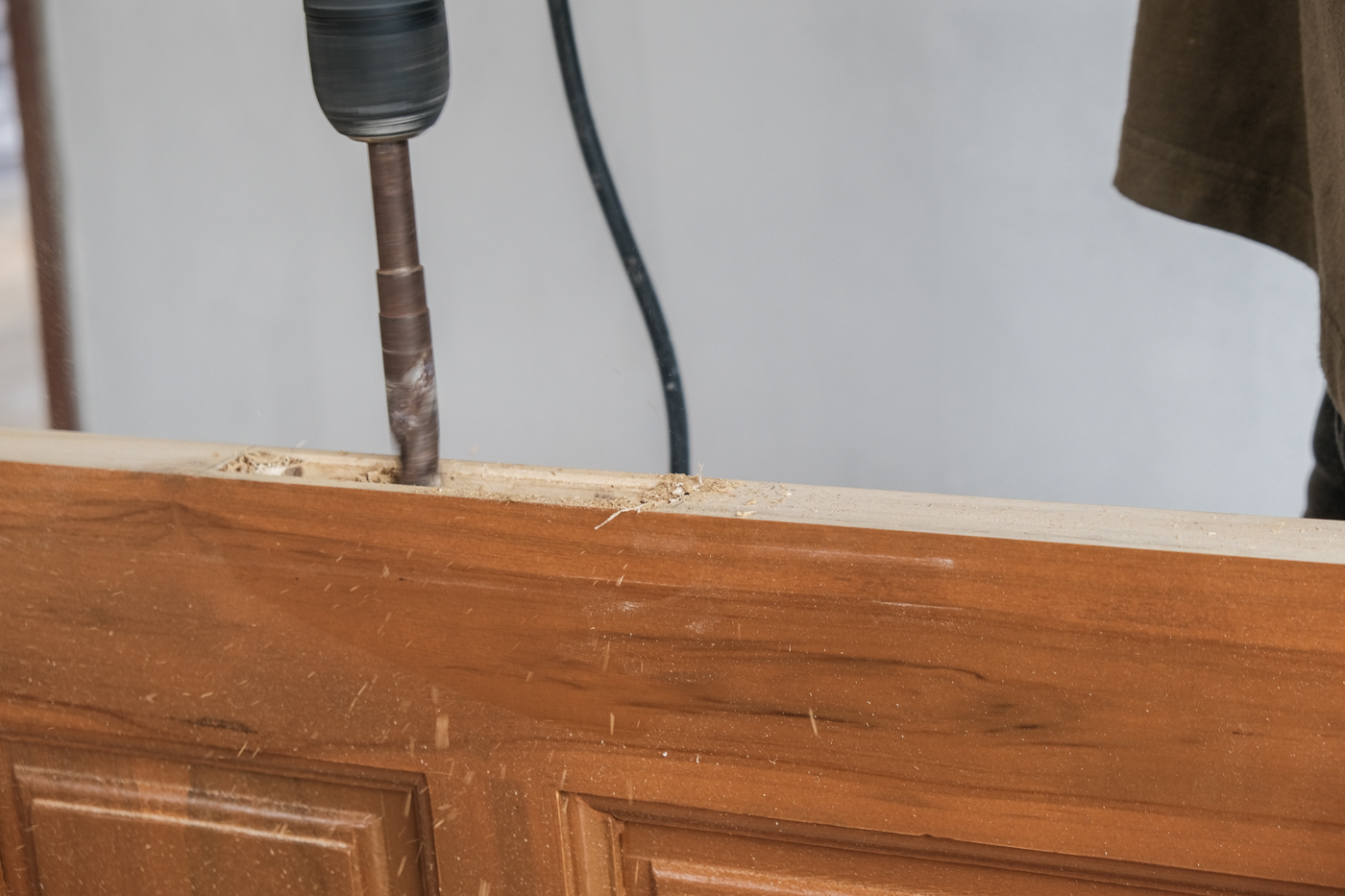
Common Barn Door Installation Mistakes and How to Avoid Them
Even a beautiful barn door can become frustrating if the installation is rushed or the planning is incomplete. Many Canadian homeowners love the look of rustic doors and sliding barn doors, but the long-term success of the project depends on more than style alone. A barn door needs the right opening, the right wall, the right hardware, and careful setup. When one of those details is missed, the result can be noise, poor privacy, uneven movement, or damage to the wall and floor.
For homeowners in Toronto, Markham, Kitchener, Barrie, Brampton, Hamilton, and other Canadian communities, it helps to approach barn door installation as both a design project and a functional upgrade. This is especially true in busy family homes where doors are opened and closed many times each day. A smart installation supports safety, comfort, and durability through every season.
Installing the track into drywall only
One of the most common mistakes is mounting the track into drywall without proper structural support. Barn doors are often heavier than people expect, especially when made from solid wood or thick engineered panels. The weight of the door, combined with daily movement, puts ongoing stress on the mounting points.
The track should be anchored into wall studs or into solid backing installed behind the finished wall. In some homes, especially older properties, stud spacing may not line up perfectly with the hardware layout. In that case, a properly secured header board or blocking system may be needed. This is not an area where shortcuts are worth the risk.
If a wall has existing issues such as loose trim, cracked framing around the opening, or an older door system that has shifted over time, it may be wise to address those problems first. In some cases, homeowners benefit from professional assessment and door repair services before a new sliding system is installed.
Choosing the wrong door size
A barn door should not match the opening exactly. It usually needs to be wider and taller than the opening so that it overlaps the edges and provides better visual coverage. If the door is too narrow, gaps become more noticeable. If it is too short, the finished result may look awkward and allow too much light and sound through.
Many installers recommend enough overlap on each side to improve privacy and appearance. That said, the right size still depends on trim thickness, wall conditions, floor level, and the specific hardware system. In Canadian homes with older floors or uneven framing, exact measurements matter even more.
Ignoring baseboards and trim
Baseboards, door casings, and decorative trim can interfere with how the door sits against the wall. If the door panel rubs against trim or tilts outward too much, it may not slide smoothly. Some installations require spacers behind the track, while others may need trim adjustments.
This detail is often overlooked during the design stage. Homeowners choose a door style they love, then realize later that the wall surface is not as flat as expected. A proper site check before ordering materials can prevent this problem.
Forgetting about floor guides
Floor guides may seem like a small part of the system, but they play a major role in keeping the door stable. Without a guide, the bottom of the door can swing away from the wall, especially in high-traffic spaces or homes with children and pets. That movement can cause noise, wear, and an unsteady feel.
There are several guide styles available, including wall-mounted and floor-mounted options. The best choice depends on the flooring type, door thickness, and desired appearance. In finished basements, condos, and recently renovated spaces, homeowners often prefer discreet guides that maintain a clean look while still improving performance.
Using low-quality hardware to save money
Budget hardware may look similar online, but there can be a big difference in strength, finish quality, roller design, and long-term reliability. Poor hardware can lead to rattling, sticking, rough sliding, and early wear. In a Canadian home where indoor humidity levels shift between winter heating and summer moisture, quality materials and finishes matter.
Good hardware should support the actual weight of the door, include secure stops, and offer smooth rolling action. Soft-close systems can also be a worthwhile upgrade, especially for bedrooms, offices, and nurseries. They reduce slamming and help protect the hardware over time.
Not thinking about privacy before installation
Barn doors are stylish, but they do not seal like standard hinged doors. They slide over the opening rather than fitting into a frame with weatherstripping or a tight latch. That means sound, light, and airflow can pass through the sides and top more easily.
This does not make them a poor choice. It simply means the room function should guide the decision. A pantry, laundry room, reading nook, or home office may be a great fit. A shared bathroom or a bedroom used by a light sleeper may need more thought. In some cases, homeowners pair the look of a barn door with upgraded room layout features or choose a different interior door style for spaces where privacy matters most.
Step-by-Step Planning for a Smooth Barn Door Project
A successful barn door project starts well before the door arrives. Whether you are handling the work yourself or hiring a specialist, planning each stage can save time, reduce stress, and help you avoid expensive changes later. Barn doors may appear simple, but they involve finish choices, measurements, hardware selection, wall conditions, and day-to-day household needs.
Start with the purpose of the room
The first question is not which door looks best. It is how the room will be used. A barn door for a pantry has different needs than a barn door for a bedroom or ensuite. Think about:
- How often the door will be used
- How much privacy is needed
- Whether sound control matters
- If children or seniors will use the door regularly
- How much wall space is available beside the opening
For example, a laundry room in a busy family home may benefit from a durable painted slab door with soft-close hardware. A home office may need a heavier panel for better sound separation. A condo owner may prefer a lighter contemporary barn door that suits a modern interior design plan without overwhelming the room.
Check the wall and surrounding area
Before choosing materials, inspect the wall where the track will go. Look for light switches, thermostats, vents, artwork, shelving, and electrical outlets. Since sliding barn doors travel across the wall, anything in that path can become a problem.
You should also check whether the wall is exterior or interior. Exterior walls in Canadian homes may contain insulation, vapour barriers, or other details that affect fastener placement. In condos and townhomes, there may also be building rules about structural changes or noise during installation hours.
If there are nearby windows, think about how the door and hardware will affect curtains, trim, and natural light. In some renovation projects, homeowners coordinate door upgrades with nearby glazing improvements for a more complete finish. If your room also has older or damaged windows, exploring window repair at the same time can help improve comfort, appearance, and energy performance together.
Measure more than once
Careful measuring is one of the most important parts of the project. Measure the width and height of the opening, the amount of clear wall space on the sliding side, the distance from the top of the opening to the ceiling, and the thickness of trim and baseboards. Also measure the floor condition beneath the opening and beside it.
In many older Canadian homes, floors are not perfectly level and walls may not be fully plumb. A small difference can affect how the barn door hangs and how evenly it covers the opening. Taking multiple measurements at different points helps reveal these issues before installation day.
Choose a finish that suits Canadian living
Style matters, but maintenance matters too. Natural wood doors can be stunning, especially in farmhouse style and modern rustic interiors, but they should be properly sealed to help reduce the effect of humidity changes. Painted engineered doors can be easier to maintain and may offer better dimensional stability.
For homes with wet boots in winter, pets coming in from the yard, or children moving quickly between rooms, practical finishes are worth considering. A finish that resists scratches and wipes clean easily can keep the door looking better over time. Matte black and charcoal remain popular in many Canadian interiors, while white and warm oak tones continue to suit bright, contemporary spaces.
Plan for hardware compatibility
Not every hardware kit suits every door. The thickness, weight, and height of the panel must match the track and roller system. Handle style also matters. A large projecting handle may interfere with the wall or trim, while a flush pull may be better for tighter spaces.
When comparing products, ask practical questions:
- What is the weight rating of the track?
- Does the kit include anti-jump protection?
- Are soft-close options available?
- What clearance is required above the opening?
- Will the finish hold up to daily use?
These details can make the difference between a smooth, quiet system and one that becomes irritating after a few months.
Know when to bring in professionals
Some homeowners are comfortable with measuring, drilling, levelling, and anchoring heavy hardware. Others would rather avoid the risk of wall damage or alignment problems. There is no wrong choice, as long as the work is done properly.
Professional installers can be especially helpful when:
- The wall structure is uncertain
- The door is oversized or very heavy
- The opening is in an older home with uneven surfaces
- There are nearby electrical or trim complications
- You want a clean, finished look with minimal trial and error
For homeowners who want peace of mind, professional door installation services can help ensure the barn door is secure, level, and built for daily use.
Design Ideas: How Barn Doors Fit Modern Canadian Interiors
Barn doors are often associated with country decor, but they are far more versatile than that. In today’s Canadian homes, they appear in suburban houses, downtown condos, renovated century homes, and finished basements. The key is choosing a design that matches the architecture and daily function of the space.
Farmhouse style that feels warm, not overdone
Classic farmhouse style remains one of the most popular directions for barn doors. Natural wood, visible grain, and black iron hardware create a welcoming look that works well in family homes. This style pairs nicely with shiplap walls, warm neutral paint colours, stone accents, and matte black fixtures.
To keep the result feeling current, many homeowners balance rustic features with cleaner lines elsewhere in the room. For example, a single wood barn door can become the focal point while cabinets, flooring, and lighting stay simple. This approach helps the space feel fresh rather than themed.
Modern rustic for open-concept spaces
Modern rustic design is especially popular in Canada because it combines comfort with simplicity. These interiors often use natural textures, soft colours, and strong practical finishes. A barn door in this setting may have a smoother panel design, a medium wood tone, and understated hardware.
This look works well in open-concept homes where the door needs to complement nearby spaces rather than dominate them. A modern rustic barn door can separate a home office from a living area, close off a mudroom, or add warmth to a finished basement suite.
Contemporary barn doors for condos and newer homes
In urban areas such as Toronto and Markham, contemporary barn doors are often chosen for condos and modern homes where square footage is limited and visual clutter needs to stay low. These doors may feature flat panels, painted finishes, frosted glass inserts, or slim-profile hardware.
White, black, taupe, and natural oak are common choices. In smaller homes, lighter colours can help the door blend into the wall and keep the room feeling open. Frosted glass can be useful when you want light flow without fully exposing the room behind it.
Best rooms for a barn door feature
Some spaces naturally benefit more than others. Popular applications include:
- Pantries where a swinging door gets in the way
- Laundry rooms that need quick access
- Home offices that benefit from flexible separation
- Closets and wardrobes in bedrooms
- Finished basements with multi-use rooms
- Reading nooks or playrooms in family homes
In each case, the barn door acts as both a design feature and a functional element. It can improve flow, reduce wasted floor space, and add personality without major structural changes.
Matching barn doors with other home upgrades
A barn door often looks best when it feels connected to the rest of the home. That does not mean every finish must match exactly, but there should be some visual relationship between the door and nearby features. Hardware can coordinate with light fixtures, cabinet pulls, or stair railings. Wood tones can connect with flooring or furniture. Paint colours can echo trim or wall accents.
Homeowners planning broader updates sometimes include doors, trim, and windows in one improvement phase. This can be especially useful in older homes where one upgrade reveals the need for another. If you are refreshing a room that also has drafty or dated windows, looking into window installation may help create a more complete and energy-conscious result.
Making small rooms feel more usable
One of the biggest practical advantages of sliding barn doors is their ability to improve room layout. In a tight hallway, powder room, or bedroom corner, removing the swing arc of a standard door can free up useful wall and floor space. That extra area may allow for better furniture placement, storage, or movement.
In Canadian homes where space needs to work hard, this can be more than a style choice. It can make a room easier to live in every day.
Using double barn doors in wider openings
For larger openings, double barn doors can create a dramatic look while still offering flexibility. They are often used between dining rooms and living rooms, in basement entertainment spaces, or at the entrance to a home office. When open, they keep the space connected. When closed, they provide visual separation and a strong design statement.
Double systems require even more attention to symmetry, support, and hardware quality. The final look can be impressive, but only when the doors are measured and mounted carefully.
Maintenance, Long-Term Performance, and When to Call an Expert
Once a barn door is installed correctly, maintenance is usually straightforward. Still, like any moving part in a home, it benefits from regular attention. A little upkeep can help preserve smooth operation, reduce noise, and prevent small issues from becoming bigger ones.
Simple maintenance homeowners can do
Most barn doors do not need complicated care. A few routine habits can make a big difference:
- Wipe dust from the track regularly
- Check rollers and stops for looseness
- Inspect the floor guide for wear or movement
- Clean the door surface with finish-safe products
- Watch for changes in alignment over time
If the door starts sounding rough or does not glide as smoothly, do not ignore it. Small changes in movement can signal loose hardware, track debris, or shifting wall support. Addressing the issue early is usually easier and less expensive.
How Canadian seasons can affect interior doors
Although barn doors are installed indoors, Canadian seasonal changes can still affect them. Winter heating can dry indoor air, while summer humidity can increase moisture levels. Natural wood may expand and contract slightly, especially if it was not properly sealed or acclimated before installation.
Homes near entrances, mudrooms, and basements may also experience more noticeable humidity swings. That is one reason product quality and proper finishing matter. Stable materials and correct installation help reduce seasonal movement and keep the door operating more consistently.
Signs your barn door needs adjustment
Even a well-installed system may need occasional adjustment over the years. Watch for signs such as:
- The door no longer sits level
- It rubs the floor or trim
- The rollers make grinding or clicking sounds
- The door swings away from the wall too easily
- The stops no longer hold it in the correct position
These issues can happen because of settling, hardware wear, loose fasteners, or changes in the door itself. In many cases, the fix is manageable when handled promptly. Waiting too long can lead to more visible wear on the wall, track, or floor.
When a repair is better than a replacement
Not every problem means the whole system needs to be replaced. Sometimes the best solution is a targeted repair. A track may need reinforcement, the guide may need repositioning, or the door may need rehanging and levelling. If the panel itself is still in good condition, repair can be a smart and cost-effective option.
This is especially true in homes where the barn door was installed as part of a larger renovation and replacing it would affect trim, paint, or nearby finishes. Skilled technicians can often restore smooth performance without starting from scratch.
Why homeowners choose Prime Core for door and window projects
Canadian homeowners often want more than a stylish door. They want dependable service, honest advice, and workmanship that supports long-term value. Prime Core helps homeowners with a wide range of residential needs, including doors and windows services, repair work, and installation projects designed for real Canadian conditions.
Whether you are updating one room
