

Door threshold problems can lead to drafts, water leaks, higher energy bills, and faster wear on your entry system. This guide explains how threshold repair and threshold replacement work, what signs to watch for, and how Canadian homeowners can improve weatherproofing, door sealing, and long-term door maintenance.
Why the door threshold matters more than most homeowners think
The door threshold is the strip at the bottom of an exterior door that helps create a tight seal between the door slab, frame, and floor. Many homeowners call it the door sill, although the two parts can vary slightly depending on the design. In everyday use, this area takes a lot of abuse from boots, moisture, salt, dirt, and repeated opening and closing. In a Canadian climate, that wear happens even faster because of snow, freeze-thaw cycles, and heavy rain.
When the threshold starts to fail, the effects are easy to notice. You may feel a cold draft near the entrance, see water inside after a storm, or spot light coming through under the door. These are common signs that the weatherproofing system is no longer doing its job. Good door sealing is not only about comfort. It also helps protect flooring, reduces strain on your heating system, and supports better energy efficiency all year.
For many homes, a damaged threshold is part of a larger entrance repair issue. The bottom seal, weather stripping, frame alignment, and even the hinges can all affect how well the door closes. If the problem is left too long, moisture can reach the subfloor and cause rot, mould, or swelling in nearby materials. That is why early threshold repair is usually more affordable than waiting for major structural damage.
If you are already dealing with drafts, sticking doors, or water entry, it may help to explore professional door repair services before the damage spreads. A proper inspection can show whether a simple adjustment will solve the issue or whether threshold replacement is the better long-term option.
What does a door threshold actually do?
A quality door threshold supports several important functions at once:
- Creates a barrier against air leaks and water penetration
- Supports weather stripping and bottom door sweeps
- Helps maintain indoor temperature during hot summers and cold winters
- Protects the lower edge of the door and surrounding flooring
- Improves comfort near the main entrance
In many Canadian homes, the threshold also plays a role in meeting modern efficiency expectations. While exact requirements vary by province and municipality, exterior doors are generally expected to resist air leakage and moisture intrusion. A worn-out threshold can work against those goals.
Common threshold materials in Canadian homes
Not all thresholds wear the same way. The most common materials include aluminum, wood, composite, and vinyl. Aluminum is durable and widely used, but it can shift or loosen over time. Wood looks attractive, especially in older homes, but it is more vulnerable to swelling and rot if water gets in. Composite and vinyl options often perform well for weatherproofing and low maintenance, making them popular for threshold replacement projects.
The best choice depends on the age of the home, the style of the door, and how exposed the entrance is to snow, wind, and rain. Homes in Toronto, Hamilton, Barrie, and other Ontario areas often face strong seasonal changes, so the material should be chosen with local conditions in mind.
Signs you need threshold repair or threshold replacement
Homeowners often notice the symptoms before they understand the cause. A failing door sill may not look dramatic at first, but it can quickly affect comfort and security. Catching the warning signs early is one of the smartest forms of door maintenance.
Visible and hidden warning signs
Here are some of the most common signs that your door threshold needs attention:
- Cold air coming in from under the door
- Water pooling near the entrance after rain or snow melt
- Rust, corrosion, cracks, or soft spots on the threshold
- Difficulty closing or latching the door properly
- Worn weather stripping or a damaged bottom sweep
- Light visible under the closed door
- Peeling paint, swollen trim, or staining around the frame
Sometimes the issue is not the threshold alone. The door may have dropped slightly because of loose hinges, the frame may have shifted, or the sill beneath the threshold may be rotting. That is why proper entrance repair should always look at the full system, not just one strip of material.
When a simple repair may be enough
In some cases, threshold repair is straightforward. The threshold may only need tightening, re-sealing, minor levelling, or adjustment so it meets the bottom of the door evenly. Replacing worn weather stripping or a damaged sweep can also restore door sealing if the threshold itself is still in good shape.
DIY homeowners can sometimes handle basic maintenance, especially if the problem is limited to loose screws, dirt buildup, or old caulking. Start by cleaning the area well, checking for gaps, and inspecting the seal on a dry day. If you see only minor wear and no soft wood or water damage, a small repair may buy you more time.
Quick DIY checks before calling a pro
- Run your hand along the bottom edge to feel for drafts
- Check whether the door rubs, sticks, or bounces back when closing
- Inspect caulking for cracks or separation
- Look for moisture marks on the floor just inside the entrance
- Test the weather stripping for brittleness or gaps
If these checks suggest a larger issue, it is best to book a qualified doors and windows service to prevent hidden damage from getting worse.
When threshold replacement is the smarter choice
Threshold replacement is usually the better option when the material is warped, cracked, corroded, or no longer sits securely in place. It is also recommended when water has reached the wood below, when the door sill has deteriorated, or when repeated repairs no longer solve the draft problem.
A full replacement can improve weatherproofing, energy efficiency, and daily performance. It also gives technicians a chance to inspect the surrounding frame, subfloor, and seals. In older homes, this can reveal problems that would otherwise stay hidden until they become expensive.
For homeowners planning broader upgrades, threshold replacement can also be paired with door installation services if the existing door system is outdated or damaged beyond repair.
How Canadian weather affects door thresholds and sealing performance
The Canadian climate is one of the biggest reasons threshold problems show up so often. Exterior doors deal with snow, slush, freezing rain, summer humidity, and dramatic temperature swings. Over time, these conditions can break down sealants, shift materials, and weaken the connection between the threshold and the floor.
Winter stress, salt, and freeze-thaw damage
During winter, snow and slush collect around the entrance. When that moisture melts and refreezes, it can seep into tiny gaps and expand. This freeze-thaw action is hard on both metal and wood components. Salt tracked in from driveways and sidewalks can also speed up corrosion, especially on older aluminum thresholds.
If your home has a busy front entrance, the wear can happen faster than expected. Families with children, pets, and frequent visitors often see heavier threshold wear simply because the area is used constantly through every season.
Why weather stripping and door sealing must work together
A threshold cannot do the job alone. Good weatherproofing depends on several parts working together, including weather stripping, the door sweep, frame alignment, and proper installation. If one part fails, the whole seal becomes weaker. That is why homeowners sometimes replace weather stripping but still feel drafts. The real issue may be an uneven threshold or a shifting frame.
Regular door maintenance helps avoid that cycle. Seasonal inspections, cleaning, and small adjustments can extend the life of your entrance system and reduce the risk of emergency repairs during the coldest months.
If you are unsure where the air or water is getting in, you can always contact our certified technicians for a closer look. An experienced team can identify whether you need threshold repair, threshold replacement, or a more complete entrance repair solution.
Practical maintenance tips for homeowners
To keep your door threshold in better condition, brush away dirt and salt regularly, wipe up standing water, and inspect seals at least twice a year. Reapply exterior-grade caulking when needed, and do not ignore small drafts. In many Canadian homes, small issues become larger problems after one tough winter.
Homeowners looking for more advice on seasonal upkeep can also visit the Prime Core blog for practical guidance on door service, repairs, and home protection.
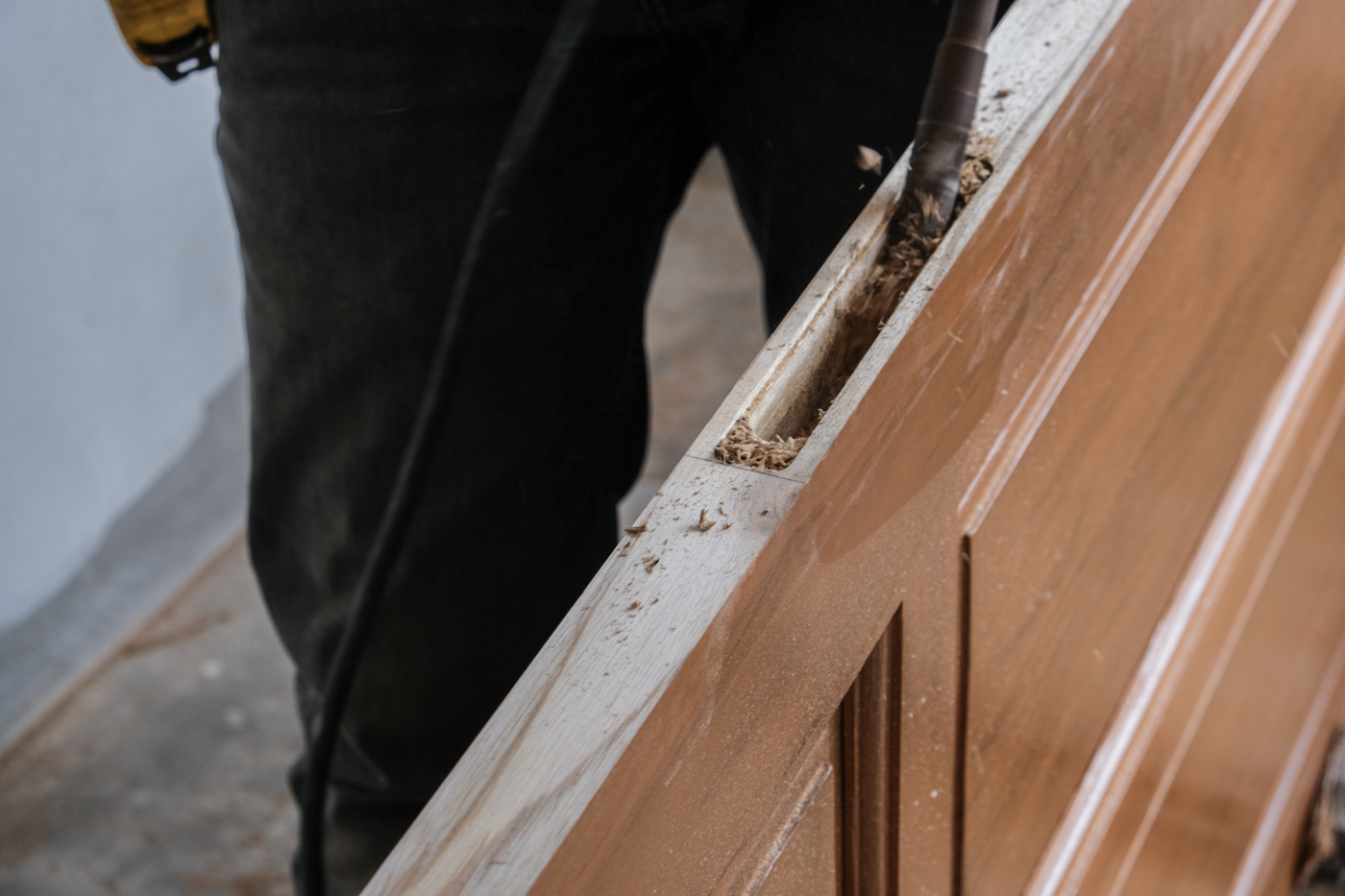
What happens during professional door threshold repair and replacement
Once you know the signs of a failing threshold, the next question is usually simple: what does the actual repair process involve? For most Canadian homeowners, the answer depends on the type of door, the age of the entrance, the condition of the subfloor, and how much moisture damage has already developed. A proper threshold repair is not just about swapping one strip for another. It is about restoring the full seal at the bottom of the door so the entrance performs well in every season.
In many homes, the threshold is tied closely to the sill, frame, weather stripping, and lower edge of the door slab. If one part is out of alignment, the entire entrance can leak air and water. That is why trained technicians usually inspect the whole opening before recommending a fix. This approach is especially important in places like Toronto, Markham, Brampton, Hamilton, Kitchener, and Barrie, where changing weather patterns can expose weak points quickly.
The inspection stage: finding the real source of the problem
A professional inspection usually begins with a close look at visible wear. Technicians check whether the threshold is cracked, loose, bent, rusted, swollen, or separated from the floor. They also look for light gaps under the door, signs of water staining, soft wood, damaged caulking, and worn weather stripping. In some cases, what looks like a threshold issue is actually caused by a sagging door, loose hinges, or a frame that has shifted slightly over time.
Moisture testing may also be part of the process when there are signs of water entry. This helps determine whether the damage is limited to the surface or whether it has spread into the sill or surrounding materials. If the subfloor is damp or rotted, simple threshold repair may no longer be enough. At that point, threshold replacement becomes part of a larger entrance repair.
How threshold repair is typically done
When the existing threshold is still structurally sound, repair can often restore function without a full replacement. The exact steps vary, but the work may include:
- Tightening loose fasteners or replacing stripped screws
- Adjusting the threshold height to improve contact with the door sweep
- Removing old caulking and applying fresh exterior-grade sealant
- Replacing damaged weather stripping or the bottom sweep
- Cleaning corrosion, dirt, or debris that interferes with sealing
- Re-levelling the threshold if it has shifted slightly
This kind of repair is often effective when the problem is caught early. It can stop drafts, improve comfort, and reduce water intrusion without major disruption. For homeowners who want to avoid more expensive door maintenance later, acting at this stage is usually the smartest move.
What full threshold replacement involves
When the threshold is beyond repair, replacement is the better long-term solution. The old threshold is carefully removed, and the area underneath is inspected for hidden moisture damage, rot, mould, or structural weakness. If the sill or subfloor has been affected, those materials may need repair before the new threshold can be installed properly.
Once the base is sound, the new threshold is measured, fitted, levelled, and sealed. The goal is to create a tight barrier against air and water while allowing the door to open and close smoothly. A replacement may also include a new sweep, fresh weather stripping, and adjustments to the frame or hinges so everything works together.
In some cases, homeowners discover that the bottom of the door itself is warped or deteriorated. If that happens, it may make more sense to combine threshold replacement with professional door installation services rather than continue repairing an outdated system.
Why proper installation matters so much
Even a high-quality threshold can fail early if it is installed incorrectly. Small mistakes in levelling, sealing, or alignment can leave hidden gaps that let in moisture. Over time, that can lead to the same problems all over again: cold drafts, swelling trim, damaged flooring, and rising heating costs. Proper installation is one of the biggest factors in long-term performance.
For Canadian homes, that matters even more because exterior entrances are exposed to snow, wind, slush, and sharp temperature changes. Good workmanship helps the threshold handle those conditions with fewer problems over time.
Choosing the right threshold, seal, and repair approach for your home
There is no one-size-fits-all answer when it comes to threshold replacement. The best solution depends on the door style, traffic level, climate exposure, and condition of surrounding materials. A front entry door used many times a day may need a different threshold than a side entrance, patio access door, or door leading into a garage. Homeowners also need to think about durability, ease of maintenance, and how well the new parts will work with existing weatherproofing components.
Matching the threshold to the door type
Different door systems use different threshold designs. Steel entry doors, fibreglass doors, wood doors, and sliding or hinged patio doors all have their own sealing needs. Some thresholds are adjustable, which helps fine-tune the contact between the threshold and the bottom sweep. Others are fixed and rely more heavily on precise installation and door alignment.
If your home has an older entrance, finding a perfect match can take extra planning. In these cases, technicians may recommend an upgraded threshold profile that offers better drainage and stronger weather resistance than the original design. This can be especially helpful in older Ontario homes where the entrance has settled over time.
Comparing common threshold materials
Homeowners often ask which material is best. The answer depends on priorities such as cost, appearance, maintenance, and weather exposure.
Aluminum thresholds
Aluminum is one of the most common choices because it is durable, widely available, and works well with many modern exterior doors. It resists general wear, but it can corrode if exposed to heavy salt and moisture over many years. It may also feel colder to the touch in winter, though that is not usually a major issue when the entrance is sealed properly.
Wood thresholds
Wood thresholds are often found in older or more traditional homes. They can look attractive, but they are more likely to absorb water if the finish fails. Once wood begins to swell or rot, replacement is often necessary. Homeowners who prefer the look of wood may still choose it, but regular door maintenance is important.
Composite and vinyl thresholds
Composite and vinyl options are popular for their lower maintenance and good resistance to moisture. They can be a practical choice for homes exposed to frequent rain, snow, or freeze-thaw cycles. Many homeowners like these materials because they offer reliable weatherproofing without the same rot risk as wood.
The role of sweeps, weather stripping, and sill pans
A threshold works best when paired with the right supporting parts. The door sweep creates contact at the bottom edge of the door, while weather stripping seals the sides and top. In some installations, a sill pan or drainage system helps move water away from the opening. If any of these components are missing or worn out, the threshold has to work harder than it should.
That is why good entrance repair looks at the full assembly. Replacing only one part may not solve the issue if the rest of the system is failing. Homeowners dealing with repeated leaks or persistent drafts should consider a full evaluation from a qualified team that handles doors and windows service work across different home styles.
Should you repair the threshold or replace the entire door?
This is a common decision point. If the threshold is the main problem and the door slab, frame, and hardware are still in good condition, a targeted repair or replacement is often enough. But if the door is old, poorly insulated, warped, difficult to lock, or showing widespread moisture damage, replacing the whole unit may provide better value.
A full door upgrade can improve energy efficiency, curb appeal, security, and daily comfort. It may also reduce future maintenance needs. For homeowners already planning other improvements, it can be more practical to address everything at once instead of patching one part at a time.
DIY threshold fixes versus hiring a professional in Canada
Many homeowners are comfortable handling basic upkeep around the house, and some threshold issues do respond well to small DIY fixes. Cleaning debris, replacing old caulking, and checking weather stripping are all sensible first steps. But there is a point where professional help becomes the safer and more cost-effective option.
The challenge is that threshold problems often look simpler than they are. A draft under the door might seem like a minor gap, but the real cause could be hidden rot, a sagging slab, or an installation issue that affects the whole frame. Without the right tools and experience, it is easy to treat the symptom while missing the actual source.
DIY jobs that may be reasonable for homeowners
If the threshold is still solid and the problem is minor, homeowners can often manage a few maintenance tasks on their own:
- Cleaning dirt, salt, and debris from the threshold and sweep area
- Replacing cracked or brittle caulking at the edges
- Installing new weather stripping if the old material is worn
- Tightening visible screws on an adjustable threshold
- Checking for loose hinge screws that affect door alignment
These small steps can improve door sealing and help you monitor whether the issue is getting worse. They are also useful as part of regular seasonal maintenance.
When DIY can make things worse
Problems start when homeowners try to force a repair without understanding why the threshold failed. For example, adding extra caulking over a water path may trap moisture instead of stopping it. Raising a threshold too high can make the door difficult to close and damage the sweep. Replacing visible parts without checking the sill below can leave hidden rot untouched.
In cold-weather regions, improper repairs can be especially risky because freeze-thaw cycles quickly exploit any weak point. What seems sealed in October may leak badly by January. That is why a careful repair strategy matters.
Benefits of hiring a professional technician
Professional service offers more than convenience. A qualified technician can diagnose the full problem, recommend the right materials, and complete the work so the entrance performs properly over time. This is especially valuable when the threshold issue is part of a broader door or window problem.
Homeowners often call for threshold help and discover related concerns such as:
- Misaligned frames
- Damaged trim or casing
- Water intrusion around nearby windows
- Worn locks or latches
- Subfloor deterioration hidden beneath finished flooring
If your home has signs of moisture around nearby openings as well, it may be worth looking into expert window repair at the same time. Air and water leakage often affect more than one part of the building envelope.
What to expect from a reputable service provider
A reliable company should inspect the area thoroughly, explain whether repair or replacement makes more sense, and provide a clear scope of work. They should also use materials suited to Canadian weather and install them with proper sealing methods. Good technicians will not rush to replace parts that can still be repaired, but they also will not recommend a quick patch when the structure underneath is already compromised.
For homeowners, this kind of honest guidance matters. It helps avoid repeat service calls and protects the long-term condition of the entrance.
Costs, long-term value, and how threshold service protects your home
Budget is naturally part of the decision. Homeowners want to know whether threshold repair is worth it, how much replacement might cost, and whether delaying the work is a reasonable option. While exact pricing depends on the home and the damage involved, it helps to think beyond the immediate repair bill.
A failing threshold can affect much more than the bottom of the door. It can increase heating and cooling loss, contribute to water damage, shorten the life of flooring near the entrance, and create conditions for mould or rot. When viewed that way, timely threshold repair often saves money rather than adding expense.
What affects the cost of threshold repair or replacement?
Several factors influence the final price:
- Type and size of the door
- Material of the existing and replacement threshold
- Whether the threshold is adjustable or fixed
- Condition of the sill, frame, and subfloor beneath it
- Need for new weather stripping, sweeps, or caulking
- Accessibility of the entrance and complexity of removal
- Whether moisture damage has spread into nearby materials
A straightforward adjustment or re-seal will usually cost less than a full rebuild involving rot repair. That is another reason not to wait too long. Small problems are often much easier to solve than advanced deterioration.
Energy efficiency and comfort benefits
One of the biggest long-term benefits of a well-sealed threshold is better energy efficiency. Even a small gap under an exterior door can let in a surprising amount of cold air during winter and warm air during summer. Your heating and cooling system then has to work harder to maintain a steady indoor temperature.
After a good threshold repair or replacement, many homeowners notice that the entrance feels less drafty right away. Floors near the door may feel warmer, indoor comfort improves, and the home becomes easier to heat evenly. These changes may seem small, but over time they support lower energy waste and better day-to-day comfort.
Protecting interior finishes and structural materials
Water intrusion is often the costliest part of threshold failure. Moisture that gets under flooring or into trim can cause staining, swelling, odours, and material breakdown. In wood-framed construction, repeated wetting may eventually affect the sill plate or subfloor. Repairs at that stage are much more involved than replacing a worn threshold.
By sealing the entrance properly, homeowners protect not only the door but also nearby finishes such as laminate, hardwood, tile transitions, trim boards, and baseboards. This is especially important in busy family homes where melting snow and wet boots already put extra stress on the entry area.
Seasonal timing: when should you book threshold service?
Threshold work can be done year-round, but many homeowners prefer to book inspections in spring or early fall. These seasons make it easier to spot damage from winter and prepare the entrance before the next cold period begins. That said, you should not wait if you already have active leaks, strong drafts, or visible deterioration.
Emergency attention may be needed if:
- Water is entering during every rainfall
- The threshold feels soft or unstable underfoot
- The door no longer closes securely
- You notice mouldy smells or visible rot
- Cold air is affecting nearby pipes or interior comfort
Fast action can prevent a manageable repair from turning into a larger home improvement project.
How threshold service fits into broader exterior maintenance
Door threshold repair is often one piece of a bigger home care plan. Homeowners who inspect their exterior doors, windows, caulking, and weather stripping regularly tend to catch problems earlier. This is especially true in Canadian climates where one rough season can expose weak materials quickly.
If your entrance has recurring issues, it may be wise to review the overall condition of the surrounding opening. Sometimes a threshold failure points to an older installation that no longer meets modern performance expectations. In those cases, updated sealing methods and better materials can make a noticeable difference.
Homeowners who are unsure where to begin can contact our certified technicians through a trusted service team for an assessment of the threshold, door frame, and related components. A professional review can help you decide whether a small repair, targeted replacement, or larger upgrade is the most practical choice.
Why Canadian homeowners trust experienced local specialists
Exterior door systems in Canada deal with a unique mix of weather exposure, heavy use, and energy-efficiency demands. That is why local experience matters. A technician who understands freeze-thaw stress, snow buildup, salt exposure, and seasonal expansion can recommend solutions that truly fit the conditions.
Prime Core works with homeowners across Canada, including communities in Ontario such as Toronto, Markham, Kitchener, Barrie, Brampton, and Hamilton. Whether the issue is a worn threshold, a leaking door sill, damaged weather stripping, or a larger entrance repair, local knowledge helps ensure the repair is done with the climate in mind.
What sets a quality service apart
Homeowners should look for a company that takes time to inspect carefully, communicates clearly, and offers practical recommendations instead of one-size-fits-all fixes. Good service also means using durable materials, applying proper sealants, and checking the full operation of the door before the job is complete.
That kind of detail matters because the threshold is directly connected to comfort, energy performance, and moisture protection. A rushed repair may look fine at first but fail during the next major storm or cold snap. A careful repair is designed to last.
Building confidence in repair decisions
Many homeowners hesitate because they are not sure whether the issue is serious enough to call for help. In most cases, if you can feel a draft, see water, notice visible damage, or struggle to close the door properly, it is worth getting the area checked. Even if the fix turns out to be minor, an inspection provides peace of mind and helps prevent surprises later.
That is especially true before winter. A threshold that leaks a little in mild weather can become a much bigger problem when snow, ice, and strong winds arrive. Taking care of it early is one of the simplest ways to protect your home.
Conclusion
Door threshold repair and replacement may seem like small jobs,
Frequently Asked Questions
How much does door threshold repair or replacement cost in Canada?
The article does not list fixed pricing because the cost depends on the condition of the threshold, the material, and whether there is hidden damage to the sill, frame, or subfloor. A minor threshold repair is usually more affordable than waiting for major moisture problems. Prime Core can inspect the full entrance system and recommend the most practical repair or replacement option for your home.
How long does door threshold repair or threshold replacement take?
The timeline depends on whether the issue is a simple adjustment or a full threshold replacement. Minor work like tightening, re-sealing, levelling, or replacing worn weather stripping can be straightforward. If there is water damage, rot, or a failing door sill underneath, the job may take longer because the surrounding frame and floor area should also be checked. Prime Core starts with a proper inspection to confirm the scope.
What causes cold drafts and water leaks under an exterior door?
Cold air and water entry often happen when the door threshold, weather stripping, bottom sweep, or frame alignment is no longer sealing properly. In Canada, snow, slush, salt, heavy rain, and freeze-thaw cycles can wear these parts down faster. You may notice light under the door, pooling water, or difficulty closing it. Prime Core checks the full entrance repair system, not just the threshold alone.
Should I repair my door threshold or replace it completely?
Threshold repair may be enough if the problem is minor, such as loose screws, cracked caulking, slight unevenness, or worn weather stripping. Threshold replacement is usually the better choice when the material is warped, cracked, corroded, soft, or no longer secure. If water has reached the wood below or repeated repairs do not stop drafts, a full replacement is often the smarter long-term solution.
How often should I check and maintain my door threshold in a Canadian climate?
It is a good idea to inspect your door threshold and seals at least twice a year, especially before and after winter. Regular door maintenance should include brushing away dirt and salt, wiping up standing water, and checking for brittle weather stripping, cracked caulking, or visible gaps. In Canadian homes, small issues can become larger entrance repair problems after one tough season if they are ignored.
Can I fix a door threshold myself, or should I call a professional?
You may be able to handle basic DIY threshold repair if the issue is limited to cleaning, re-caulking, tightening screws, or replacing a worn sweep. It helps to check for drafts, moisture marks, sticking, and visible gaps on a dry day. If you find soft wood, water damage, frame shifting, or ongoing leaks, it is best to call Prime Core for professional door repair and a full inspection.
