

The truth about window condensation: what’s normal, what’s not, and the real solution that actually works. Learn how to stop condensation — not just cover it up — and protect your home from long-term damage. Expert advice for Canadian homeowners.
Understanding Window Condensation in Canadian Homes
Window condensation is a common issue for many Canadian homeowners, especially during colder months. It often presents itself as foggy windows, water droplets, or even frost buildup on the inside of your glass panes. While it may seem like a minor annoyance, persistent condensation can lead to serious problems like mould growth, rot, and damage to your window frames or walls.
In this guide, we’ll explore the real causes of window condensation, why quick fixes don’t work, and what long-term solutions you can count on. Whether you live in Ottawa, Scarborough, or White Rock, understanding and addressing condensation is key to maintaining a healthy, energy-efficient home.
What Is Window Condensation?
Condensation happens when warm, moist indoor air meets a cold surface — like your window glass. The moisture in the air condenses into liquid water, showing up as fog or droplets. This process is similar to how a cold beverage “sweats” on a hot day.
Types of Window Condensation
- Interior condensation: Most common in winter, forms on the inside pane due to high indoor humidity and cold outdoor temperatures.
- Exterior condensation: Usually occurs during summer mornings, and is harmless — it means your windows are well-insulated.
- Between-the-panes condensation: A sign of seal failure in double or triple-pane windows — this requires professional window repair or replacement.
Why It’s a Bigger Problem Than You Think
Ignoring condensation might seem harmless at first, but over time, it can damage your window frames, promote mould and mildew, and even harm your walls and insulation. For wooden frames, prolonged exposure to moisture can lead to rot, warping, and insect infestations. In homes with drywall, it can cause bubbling paint, soft walls, or stains.
More importantly, condensation is often a sign of poor insulation or inadequate ventilation — both of which can increase your energy bills and reduce your home’s comfort.
What Causes Window Condensation in Canadian Homes?
To solve the condensation issue, we first need to understand what’s causing it. In most cases, it’s a combination of high indoor humidity, poor ventilation, and inefficient windows. Let’s break down these factors.
1. High Indoor Humidity
Canadian winters can be brutally cold, prompting homeowners to seal their homes tightly to retain heat. While this improves energy efficiency, it also traps moisture indoors. Everyday activities like cooking, showering, and even breathing add moisture to the air.
Signs Your Home Has High Humidity:
- Frequent fog on windows
- Musty odours around the house
- Mould in corners or around window sills
- Peeling paint or wallpaper
2. Poor Ventilation
Without proper airflow, moisture has nowhere to escape. Bathrooms, kitchens, and laundry rooms are major moisture contributors. If your house lacks exhaust fans or has blocked vents, moisture builds up quickly, leading to condensation.
3. Inefficient or Old Windows
Single-pane windows or older double-pane units with broken seals are less effective at insulating against the cold. When the inner surface of the glass becomes too cold, condensation is more likely to occur. If you notice moisture between panes, your window’s seal has likely failed.
If you’re dealing with foggy or drafty windows, professional window repair may be the solution you need.
4. Unbalanced Heating Systems
Uneven heating can cause colder areas near windows, increasing the chance of condensation. This is particularly common in older homes or those with outdated heating systems. If your heating system doesn’t properly circulate warm air, your windows can become cold spots.
The Window Condensation Solution That Actually Works
While many homeowners try temporary fixes like window films, dehumidifiers, or plastic coverings, these methods only address the symptoms, not the root problem. The most effective solution combines proper ventilation, humidity control, and modern, energy-efficient windows.
Step 1: Improve Ventilation
Start by ensuring your home has adequate airflow. Install or upgrade exhaust fans in bathrooms and kitchens. Make sure they vent outside, not into the attic. Use ceiling fans to circulate air and keep indoor temperatures consistent.
Tips for Better Air Circulation:
- Keep interior doors open to promote airflow
- Use fans in high-moisture areas
- Open windows for short periods, even in winter, to let moist air escape
Step 2: Control Indoor Humidity
Monitoring and reducing your indoor humidity is essential. The optimal indoor humidity level during winter is around 30-40%. You can buy a hygrometer to monitor levels and use a dehumidifier if needed.
Everyday Ways to Reduce Humidity:
- Use lids while cooking and run the range hood fan
- Run bathroom fans for 20 minutes after showering
- Hang wet clothes outside or use a vented dryer
- Fix any plumbing leaks to prevent added moisture
Step 3: Upgrade to Energy-Efficient Windows
If your windows are old or showing signs of failure, replacing them with modern, energy-efficient units is often the best long-term investment. New windows are designed with insulated glass and advanced sealing technology to reduce heat loss and surface cooling — which dramatically reduces condensation risk.
Contact our certified technicians to explore energy-efficient window installation options tailored to your home’s needs and Canadian climate conditions.
Step 4: Inspect and Maintain Your Windows Regularly
Regular maintenance can extend the life of your windows and keep condensation issues at bay. Look for signs of seal failure, rot, or gaps in caulking. If you notice fog between panes or water damage around the frames, it’s time for an inspection.
If you need expert window repair, Prime Core offers reliable window repair services across Canada, including Ottawa, Scarborough, and White Rock.
Why Professional Help Makes a Difference
While DIY maintenance can help, addressing long-term condensation problems often requires professional insight. A certified technician can assess your home’s insulation, ventilation, and window condition to provide a tailored solution — not just temporary relief.
When to Call a Professional
If you notice any of the following, it’s time to call in the experts:
- Condensation between window panes
- Drafts or cold spots near windows
- Rotting or mouldy window frames
- Persistent condensation despite using dehumidifiers
Prime Core’s experienced team offers complete doors and windows services across Canada. Whether it’s repair, installation, or full replacement, we’re here to help you protect your home from moisture damage and energy loss.
Considering Door Replacement?
Condensation isn’t just a window problem — poorly insulated or damaged doors can also contribute to moisture and temperature imbalance in your home. If your entry door is drafty, warped, or showing signs of wear, it might be time to consider replacement.
Prime Core is one of the top door replacement companies serving Canadian homeowners. Whether you’re searching for “door repair near me” or looking for reliable door replacement companies near me, we’ve got you covered with expert solutions that fit your home and budget.
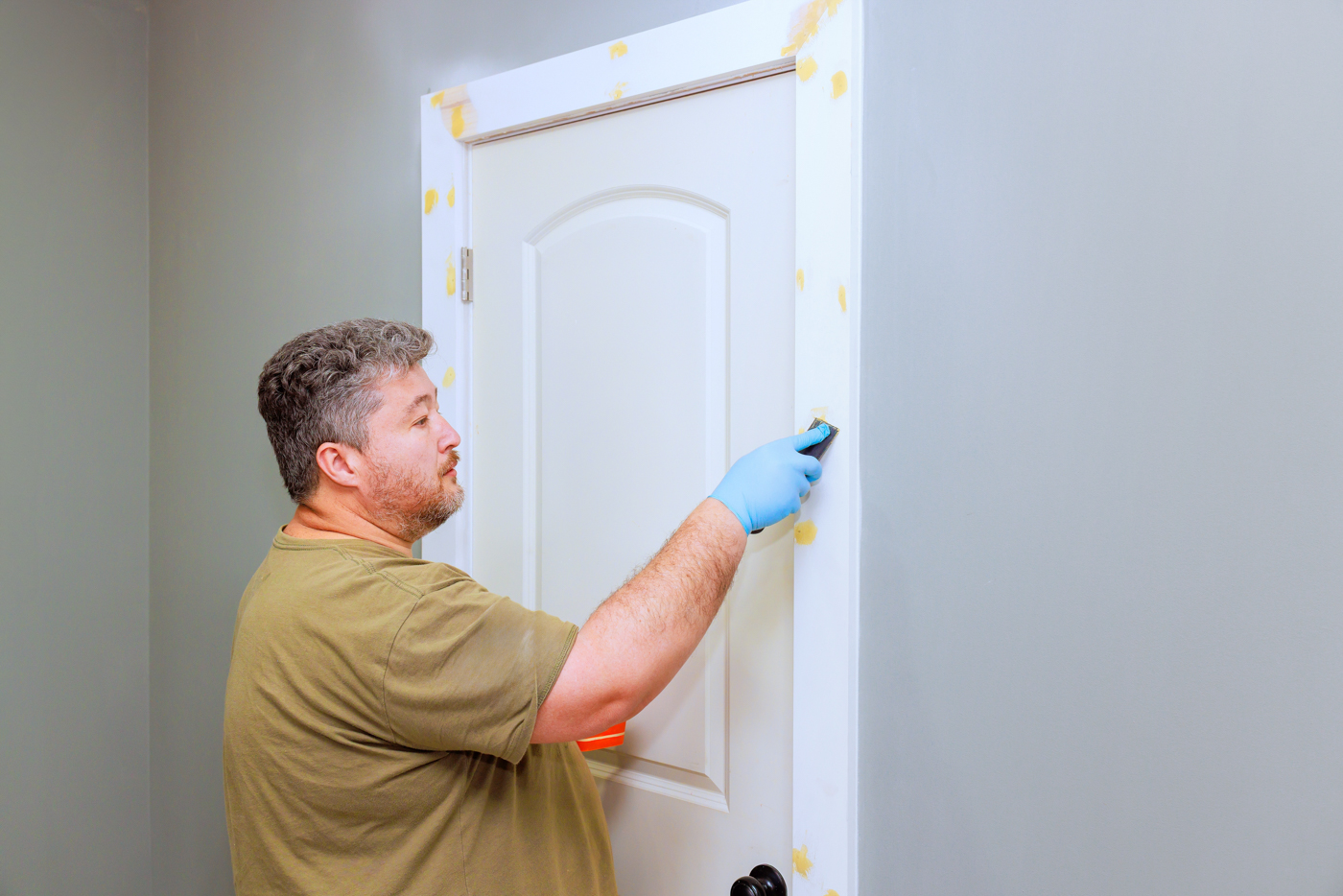
Choosing the Right Windows: What Canadian Homeowners Should Know
Not all windows are created equal — especially when it comes to Canadian weather. From frigid winters in Ottawa to damp coastal air in White Rock, the right window choice can make a big difference in preventing condensation, maintaining indoor comfort, and improving energy efficiency.
Window Materials Matter
When replacing or upgrading your windows, the frame material plays a major role in insulation and moisture control. Here are the most common options available in Canada:
Vinyl Windows
Vinyl is affordable, low-maintenance, and energy-efficient. It doesn’t conduct heat or cold the way metal frames do, making it an ideal choice for Canadian homes. Vinyl frames are also moisture-resistant, helping to prevent condensation buildup and frame damage.
Wood Windows
Wood offers a classic look and excellent insulation, but it requires more upkeep. In high-humidity areas or homes with poor ventilation, wood may absorb moisture and become prone to rot or mould if not properly sealed. If you love the look of wood but want less maintenance, consider wood-clad windows with a protective exterior shell.
Aluminium Windows
Aluminium frames are lightweight and strong but conduct heat and cold easily. Without thermal breaks, they’re more likely to produce condensation. For Canadian homeowners, aluminium may not be the best option unless enhanced with thermal barriers.
Types of Energy-Efficient Glass
Glass technology has come a long way, and modern windows offer multiple layers of protection against heat loss and condensation.
- Double or Triple Glazing: Multiple panes of glass with insulating gas (like argon or krypton) between them reduce heat transfer and keep the inner pane warmer, which reduces condensation.
- Low-E Coating: A thin layer of metallic oxide on the window glass reflects heat while allowing light through. It helps maintain warmer indoor glass surfaces, especially in winter.
- Warm Edge Spacers: These separate the panes of glass and provide better insulation, reducing the risk of condensation along the edges of the window.
When shopping for new windows, look for ENERGY STAR® certified products designed for Canadian climate zones. If you’re unsure which options are best for your home, contact our certified technicians for a personalized consultation.
How Your Doors Affect Window Condensation
While windows take most of the blame for condensation, your doors can also play a surprising role. A drafty or poorly sealed door can introduce cold air into your home, lowering the temperature around nearby windows and increasing the chance of moisture forming on the glass.
Signs Your Door Might Be Causing Moisture Issues
- Chilly air or drafts near entryways
- Condensation on windows adjacent to doors
- Damp floor areas or water pooling near the threshold
- Visible damage like warping, cracks, or soft spots on the door frame
Just like windows, your doors should be properly insulated and sealed against outdoor air. If you notice your door contributing to condensation issues or cold spots, it may be time for a repair or replacement.
Prime Core offers expert door repair services in Ottawa, Scarborough, White Rock, and many other Canadian communities. Whether you’re searching for “door repair near me” or need fast, professional help, we’re here to restore comfort and efficiency to your home.
When to Consider Door Replacement
If your door is older, damaged, or no longer energy-efficient, replacing it may be the better investment. New doors come with improved insulation, weatherstripping, and sealing technology that helps balance indoor temperatures and prevent condensation from forming nearby.
As one of the leading door replacement companies in Canada, Prime Core specializes in high-performance entry doors that match your home’s style and meet Canadian energy standards. If you’re looking for trusted door replacement companies near me, our experienced installers are just a call away.
Maintaining Indoor Air Quality While Managing Condensation
While reducing humidity is important for controlling condensation, it’s also essential to maintain good indoor air quality — especially during Canadian winters when homes are sealed tight. Striking the right balance is key.
Use Heat Recovery Ventilators (HRVs)
HRVs are mechanical systems that expel stale indoor air while bringing in fresh outdoor air — all while recovering the heat from the outgoing air. This is especially useful in Canada, where opening windows in winter isn’t always practical.
HRVs help control moisture levels, reduce condensation, and improve air quality without sacrificing energy efficiency. Many newer homes are built with HRVs, but they can also be retrofitted into older homes.
Don’t Over-Dry Your Home
While high humidity causes condensation, extremely dry air can cause discomfort, dry skin, and respiratory issues. The ideal indoor humidity level is around 30–40% in winter. Use a hygrometer to monitor levels and adjust with a humidifier or dehumidifier as needed.
Seal and Insulate Your Home Properly
Gaps and leaks around doors, windows, vents, and attic hatches allow cold air to enter and warm air to escape. This imbalance can lead to more condensation and higher energy bills. Inspect your home regularly and seal any gaps with caulking or weatherstripping.
If you suspect larger issues, Prime Core offers comprehensive doors and windows services to assess your home’s insulation and identify areas for improvement.
Regional Considerations for Canadian Homeowners
Canada’s climate varies significantly from coast to coast. What works in one region may not be ideal in another. Understanding how local weather impacts condensation can help you make better decisions for your home.
Ottawa and Eastern Ontario
With long, cold winters and high heating demands, energy-efficient windows and doors are crucial in Ottawa. Condensation is common during the heating season, especially in older homes with outdated systems. Consider triple-glazed windows and HRVs to manage moisture levels.
Scarborough and Greater Toronto Area
This region experiences high humidity in summer and cold winters. Homes near Lake Ontario may face more exterior condensation and moisture challenges. Proper ventilation and sealed windows are key, along with high-efficiency doors to block out lake-effect winds.
White Rock and Coastal BC
White Rock enjoys a milder climate, but the coastal air brings constant humidity. Condensation may occur year-round, making ventilation and moisture control even more important. Vinyl-framed windows with Low-E coatings are a popular choice for this region.
Common Myths About Window Condensation
There’s a lot of misinformation out there about condensation. Let’s clear up a few common myths so you can make informed decisions about your home.
Myth #1: Condensation Means Your Windows Are Defective
Not always. Interior condensation is usually a sign of high indoor humidity or poor ventilation. Only condensation between panes indicates a window failure that requires professional window repair or replacement.
Myth #2: You Should Never Open Windows in Winter
While it’s cold outside, occasionally opening your windows for a few minutes can help release trapped moisture. Just be sure to close them quickly and maintain consistent heating.
Myth #3: Plastic Film Is a Long-Term Fix
Window insulation film can reduce drafts temporarily, but it doesn’t solve the root problem. For lasting results, address ventilation, humidity, and window efficiency.
Conclusion: Take Control of Condensation the Right Way
Window condensation is more than just a foggy nuisance — it’s a warning sign that your home’s ventilation, insulation, or humidity levels may need attention. By addressing the root causes, upgrading to energy-efficient windows and doors, and maintaining a balanced indoor environment, you can keep your home comfortable, healthy, and protected year-round.
Whether you’re dealing with drafty windows, ageing doors, or persistent moisture problems, Prime Core is your go-to expert for doors and windows services across Canada. From door repair in Ottawa to window installation in White Rock, our team delivers reliable, high-quality solutions tailored to your region and home.
Don’t wait until condensation leads to costly damage. Contact Prime Core today for expert advice, professional service, and peace of mind. Your home deserves the best — and so do you.
