

Are your energy bills increasing each month? Your old or damaged windows might be to blame. Learn how different window types, proper installation, and timely repairs can help Canadian homeowners improve energy efficiency and save money year-round.
Why Your Windows Might Be Behind Rising Energy Bills
Have you noticed your energy costs creeping up, especially during the cold Canadian winters or hot summers? While it’s easy to blame your HVAC system or insulation, your windows might actually be the silent culprit. Improperly sealed, outdated, or damaged windows can let in drafts, cause heat loss, and force your heating or cooling system to work harder — all of which lead to higher energy bills. Fortunately, understanding the different types of windows, their efficiency, and how to maintain them can make a big difference.
In this article, we’ll explore how your windows affect your home’s energy efficiency, compare double pane vs triple pane windows, discuss common repair needs, and explain how options like egress window installation can offer both safety and energy-saving benefits. Whether you’re planning a renovation or just want to lower your monthly expenses, this guide will help you make informed choices.
Understanding Energy Efficiency and Windows
How Windows Impact Energy Efficiency
Windows are more than just a way to bring light into your home — they play a major role in managing indoor temperature. In the Canadian climate, which can swing from freezing winters to hot summers, this matters a lot. Poorly performing windows can lead to:
- Heat escaping during winter and entering during summer
- Cold drafts that make rooms uncomfortable
- Condensation and moisture build-up
- Increased strain on your furnace or air conditioner
All of these issues contribute to higher energy consumption and, ultimately, bigger utility bills. Investing in efficient windows or upgrading your existing ones can significantly reduce these costs over time.
Signs Your Windows Are Costing You Money
You don’t have to be an expert to tell when your windows are no longer doing their job. Here are some common signs your windows are affecting your home’s energy efficiency:
- Noticeable drafts near the window frames
- Condensation between panes (especially in double or triple pane units)
- Difficulty opening or closing the windows
- Cracked or broken glass
- Rising energy bills despite no change in usage
If you’re seeing any of these issues, it might be time to consider professional window repair services or even replacement.
Double Pane vs Triple Pane Windows: Which One Is Best?
When it comes to energy efficiency, the window glazing — or how many glass layers are used — matters a lot. Most Canadian homes use either double pane or triple pane windows. But which is better for your home?
What Are Double Pane Windows?
Double pane windows, also known as dual-pane or insulated glass units (IGUs), consist of two layers of glass with a space in between, usually filled with air or an inert gas like argon. This layer acts as insulation, helping to keep warm air in during winter and hot air out during summer. They significantly improve your home’s thermal performance compared to single-pane windows.
What Are Triple Pane Windows?
Triple pane windows take it one step further by adding a third glass pane and another insulating layer. These windows offer superior performance when it comes to energy efficiency, soundproofing, and even security. They are particularly beneficial for homes in colder parts of Canada like Alberta or Manitoba, where winter temperatures can drop well below freezing.
Double Pane vs Triple Pane Windows: Key Differences
| Feature | Double Pane | Triple Pane |
|---|---|---|
| Energy Efficiency | Good | Excellent |
| Cost | Lower | Higher |
| Soundproofing | Moderate | High |
| Weight | Lighter | Heavier |
| Best For | Moderate climates | Harsh climates |
So, when choosing between double vs triple pane windows, consider your local climate, your budget, and your long-term goals. Triple pane windows might cost more upfront, but they can offer better savings on heating and cooling in the long run.
Double Pane Window Repair: When and Why It Matters
If you already have double pane windows, you might not need a full replacement. In many cases, a double pane window repair can restore performance and extend the life of your windows.
Look out for these signs that your double pane windows need repair:
- Fogging or condensation between the panes
- Cracked or chipped glass
- Broken seals or frames
Repairing your windows can be a cost-effective alternative to replacement, especially if the frames and hardware are still in good condition. It’s a smart option for homeowners looking to improve energy efficiency without a full renovation.
The Role of Egress Windows in Energy Efficiency and Safety
What Are Egress Windows?
Egress windows serve as emergency exits, typically required in basement bedrooms or living areas under Canadian building codes. They’re designed to be large enough for a person to escape in case of fire or other emergencies. But beyond safety, egress windows can also improve ventilation and natural light, both of which can help reduce energy use.
Egress Window Installation: What to Expect
Installing an egress window isn’t just about cutting a hole in the wall. It involves excavation, framing, waterproofing, and often permits. It’s important to work with professionals familiar with local codes and safety standards. If you’re searching for egress window installation near me, be sure to choose a certified local contractor like Prime Core who understands Canadian requirements.
The egress window installation process typically includes:
- Assessing the location and structure
- Cutting through the foundation wall
- Installing a window well with proper drainage
- Installing the window and ensuring it meets code
- Sealing and finishing both inside and out
Egress Window Cost Considerations
The egress window cost can vary widely depending on your foundation type, location, and the size of the window. On average, egress window installation cost in Canada ranges from $2,500 to $5,000. While this may seem like a significant investment, it adds value to your property, increases safety, and can even reduce your reliance on artificial lighting and ventilation — helping to lower your energy bills in the long run.
Why Egress Windows Are Worth the Investment
Beyond meeting legal requirements, egress windows provide several benefits:
- Improved natural light and airflow
- Enhanced property value
- Better indoor air quality
- Reduced electricity usage for lighting and fans
In short, egress windows are both a safety feature and an energy-saving solution — a smart choice for any homeowner finishing a basement or adding extra living space.
Don’t Forget Doors: A Key Factor in Home Efficiency
While windows often get the spotlight, your doors also play a big role in maintaining your home’s energy efficiency. Damaged, improperly sealed, or old doors can let in drafts, much like poorly performing windows.
When to Consider Emergency Door Repair
Sometimes, door issues arise suddenly — a storm damages your entry door, or a break-in compromises its structure. In these situations, emergency door repair is essential. Quick repair or replacement helps restore your home’s security and prevent air leaks that spike your heating or cooling bills.
Signs you might need emergency door repair include:
- Visible damage to the door or frame
- Door won’t close or latch properly
- Air or water leaks around the door
If you notice any of these problems, contact our certified technicians to fix the issue before it becomes a bigger (and costlier) problem.
Installing Energy-Efficient Doors
If your current doors are old or beyond repair, consider upgrading to modern, energy-efficient models. These doors come with proper insulation, weather stripping, and durable materials designed to withstand the Canadian climate. Professional doors installation ensures a tight fit and long-lasting performance.
Energy-efficient doors not only lower your utility bills but also boost curb appeal and security. Whether it’s a front entryway, patio sliding door, or basement access, upgrading your doors is a smart move for any homeowner looking to save money and improve comfort.
Tips for Improving Window Efficiency Without Full Replacement
Seal and Caulk Around Windows
One of the most affordable and effective ways to improve your window performance is by sealing any gaps or cracks. Over time, caulking around windows can dry out or deteriorate, allowing air to leak in or out. By applying fresh caulking or weatherstripping, you can drastically cut down on drafts and improve insulation.
Focus on the areas where the window frame meets the wall, and inspect for any separation or visible gaps. High-quality, weather-resistant caulking is ideal for the Canadian climate, as it can withstand freezing temperatures and snow.
Use Window Film or Insulating Curtains
Another simple but effective solution is applying window film or using thermal curtains. Window films can reflect heat in the summer and retain warmth in the winter. They are an easy DIY option that doesn’t require replacing your windows. Thermal curtains, on the other hand, act as an additional barrier between your window and the interior of your home.
This extra layer of protection can help reduce heat loss and improve comfort, especially in rooms with large or old windows. Both solutions are budget-friendly and can make a noticeable difference in your energy usage.
Install Storm Windows
If full window replacement isn’t in your budget, installing storm windows is a great alternative. They add an extra layer of glass and insulation to your existing windows and can be installed either temporarily or permanently. In colder provinces like Saskatchewan or Newfoundland, storm windows are a popular way to increase energy efficiency without the high cost of triple glazing.
Storm windows also help reduce outside noise and protect your primary windows from harsh weather, extending their lifespan. For homeowners with older homes or heritage properties, this is a great option to preserve the existing structure while improving performance.
How Professional Window Installation Makes a Difference
Why Proper Installation Matters
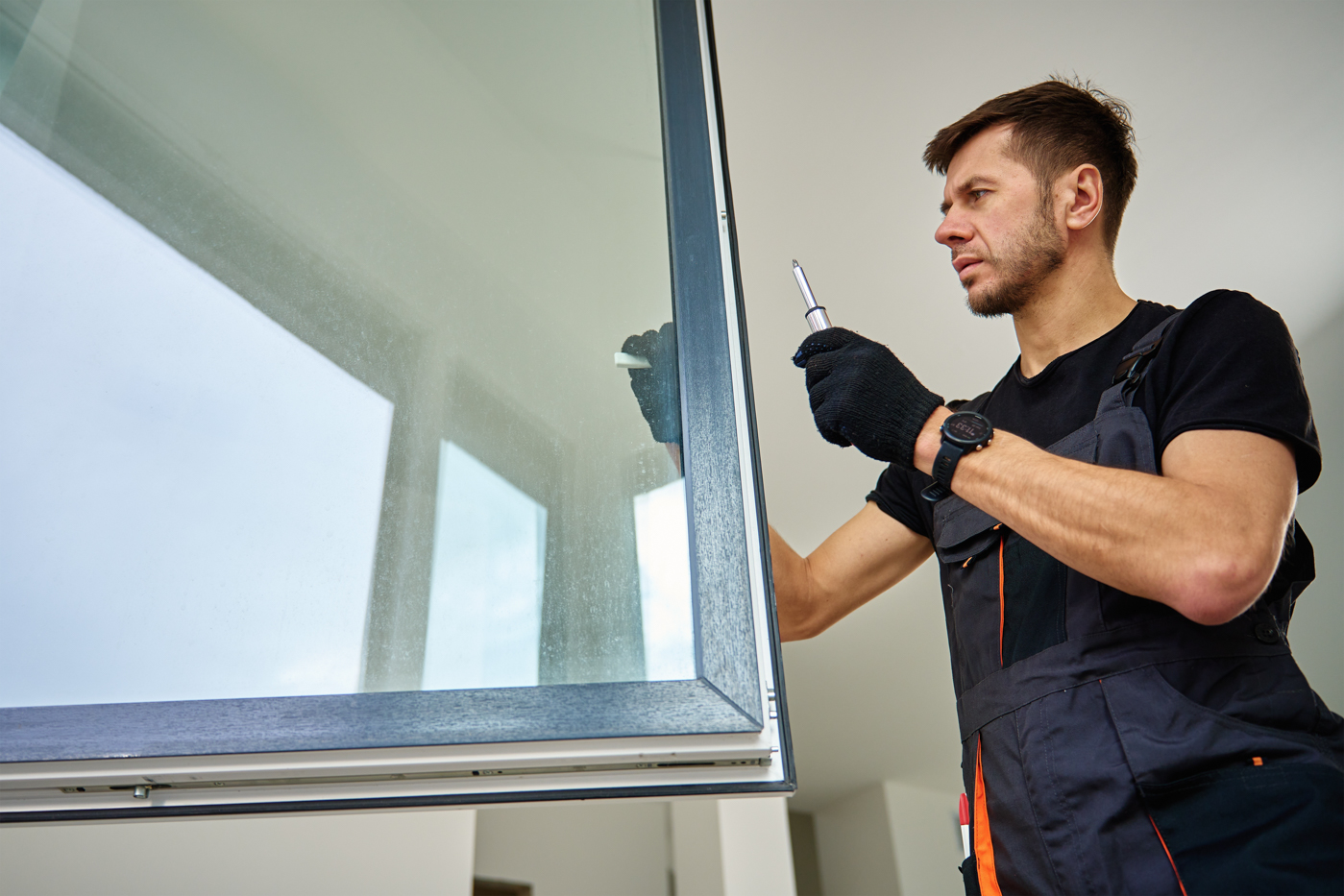
Even the most energy-efficient window won’t perform well if it’s not installed correctly. Poor installation can lead to air leaks, moisture problems, and reduced lifespan for the window. That’s why working with experienced contractors is essential, especially when dealing with the harsh weather conditions across Canada.
Professional window installation ensures the frame is level, properly insulated, and securely sealed. Installers will also make sure the window meets local building codes and energy standards. This is particularly important for egress windows, which have specific size and clearance requirements under Canadian regulations.
Benefits of Hiring Certified Technicians
When you hire certified professionals like the team at Prime Core, you’re not just getting a new window — you’re getting peace of mind. Here are some of the benefits:
- Correct sizing and fitting for optimal performance
- Compliance with Canadian building and safety codes
- High-quality materials and expert craftsmanship
- Warranty-backed work and aftercare support
Whether you’re replacing a few windows or doing a full home renovation, professional installation is crucial to maximizing the energy-saving potential of your investment.
When to Replace vs. Repair
Homeowners often struggle with the decision to repair or replace their windows. While expert window repair can address minor issues like broken seals or cracked glass, replacement is the better option if your windows are:
- More than 20 years old
- Poorly insulated or single-pane
- Warped, rotted, or structurally damaged
- Causing significant energy loss
In these cases, new windows will not only improve energy efficiency but also enhance the look and value of your home.
Maximizing Energy Efficiency with Strategic Window and Door Choices
Choosing the Right Materials
Window and door frames come in various materials, each with its own energy performance characteristics. In Canada, the most common materials include:
- Vinyl: Affordable, durable, and low-maintenance. Great insulation properties.
- Wood: Excellent natural insulator but requires regular maintenance to prevent rot.
- Fibreglass: Strong, long-lasting, and resistant to temperature fluctuations.
- Aluminum: Lightweight but less energy-efficient unless it has a thermal break.
For most Canadian homes, vinyl or fibreglass offer the best balance of cost, efficiency, and performance.
Understanding Window Ratings
When shopping for new windows, look for the ENERGY STAR® label and check the following ratings:
- U-Value: Measures heat loss. Lower values mean better insulation.
- Solar Heat Gain Coefficient (SHGC): Indicates how much solar heat the window lets in. Lower SHGC is better for hot climates, while higher is better for cold areas.
- Visible Transmittance (VT): How much natural light passes through the glass. Higher VT means brighter rooms with less need for artificial lighting.
These ratings help you choose windows suited to your region and energy goals. In colder provinces, lower U-values and higher SHGC can help reduce heating costs in the winter.
Smart Placement and Orientation
The placement of your windows also plays a role in your home’s energy efficiency. South-facing windows receive the most sunlight, which can help heat your home naturally in the winter. East and west-facing windows bring in morning and afternoon light, while north-facing windows tend to be the coolest and most shaded.
Strategically placing larger, high-performance windows on south-facing walls and using smaller or shaded windows elsewhere can help balance heat gain and loss throughout the year. Pairing this with proper shading devices, such as awnings or blinds, gives you better control over your indoor environment.
Final Thoughts: Invest in Efficiency, Comfort, and Long-Term Savings
As energy prices continue to rise across Canada, making smart choices about your windows and doors is more important than ever. From understanding the differences between double vs triple pane windows, to looking at egress window installation cost and options for emergency door repair, every decision you make can influence your home’s comfort, safety, and monthly expenses.
Whether you’re looking to upgrade your home with better glazing, repair foggy panes, or install energy-efficient egress windows, Prime Core is here to help. Our team of certified professionals offers comprehensive doors and windows services tailored for Canadian homeowners.
We understand local building codes, the realities of the Canadian climate, and what it takes to make your home more energy-efficient. If you’re ready to reduce your energy bills, improve your home’s comfort, and increase its value, contact our certified technicians today for a consultation or quote.
Don’t wait until another season of high utility bills hits you hard. Take action now with professional door installation services, expert window repairs, and energy-efficient upgrades — all delivered with the care and quality Prime Core is known for across Canada.
