

Learn how to extend the lifespan of your garage door springs with proper maintenance. This comprehensive guide covers everything from identifying wear and tear to adjusting tension, and includes expert tips for Canadian homeowners.
Why Garage Door Spring Maintenance Matters
Understanding the Role of Garage Door Springs
Garage door springs are small components that perform a massive job. These tightly wound coils carry the weight of your garage door, making it easy to lift manually or with an automatic opener. Whether you have torsion springs or extension springs, their job is to balance the door’s weight and ensure smooth operation.
Without properly functioning springs, your garage door can become dangerously heavy, putting stress on the opener and increasing the risk of injury. For Canadian homeowners, where temperatures fluctuate dramatically throughout the year, spring maintenance is especially important. Cold weather can make metal brittle, while moisture can lead to rust and corrosion.
Safety Concerns with Damaged or Worn Springs
A failing spring isn’t just inconvenient—it’s unsafe. If a spring breaks while the door is in use, the sudden loss of tension can cause the door to slam shut. This is a hazard for anyone nearby, including children and pets. Additionally, a broken spring can damage other components like the opener, cables, or rollers.
By keeping your springs in top shape, you reduce the chance of unexpected failure and costly repairs. If you notice squeaking, jerky movement, or your door feels unusually heavy, it may be time to replace spring on garage door systems in your home.
Types of Garage Door Springs and Their Longevity
Torsion Springs vs. Extension Springs
There are two main types of springs commonly used in Canadian garage doors:
- Torsion springs: These are mounted above the garage door and twist to lift the door. They’re known for durability and smoother operation.
- Extension springs: Located on either side of the door, these stretch and contract to help lift the door. While generally more affordable, they don’t last as long and can be noisier.
Torsion springs are more common in modern systems and are typically safer because they’re mounted on a shaft, reducing the risk of parts flying if they snap.
Average Lifespan of Garage Door Springs
Garage door springs are rated in cycles—one cycle equals one full open and close. A standard spring is rated for about 10,000 cycles. Depending on how often you use your garage, this could last anywhere from 5 to 10 years.
However, frequent use, poor maintenance, and harsh Canadian winters can shorten that lifespan. For example, homes in colder provinces like Alberta or Manitoba may experience more wear due to extreme temperature shifts.
Signs Your Springs Are Nearing the End
Watch for these indicators that your garage door springs may need replacement:
- Door opens slower than usual
- Visible gaps in the spring coil
- Loud banging noise when opening or closing
- Door feels heavy or unbalanced
- Uneven movement when opening
If you notice any of these signs, it’s time to consider whether a full replacement garage door service is needed.
How to Maintain Garage Door Springs
Inspecting Your Springs Regularly
A visual inspection every few months can go a long way. Look for rust, corrosion, or gaps in the coils. If you see fraying cables or misaligned tracks, it’s a good idea to address those issues too, as they can strain the springs.
Use a flashlight to check the full length of the springs. If your garage door is making unusual noises or seems harder to open, don’t ignore it—these are often early warning signs.
Lubricating the Springs
Lubrication is one of the easiest and most effective ways to maintain your springs. Use a high-quality garage door lubricant (not WD-40) to coat the entire spring. This reduces friction and prevents rust, especially important during the wet winters and humid summers we experience in parts of Canada.
Aim to lubricate your springs every six months. Spring and fall are great times to do this as part of your seasonal home maintenance routine.
Balancing the Garage Door
A well-balanced garage door takes stress off the springs and ensures even wear. To test balance:
- Disconnect the automatic opener.
- Manually lift the door halfway and let go.
- If the door stays in place, it’s balanced. If it moves up or down, the springs may need adjustment.
Adjusting spring tension can be dangerous and should be done by a professional. Contact our certified technicians if you suspect an imbalance.
Cleaning Around the Springs
Dirt and debris can accumulate around the springs, leading to wear and corrosion. Use a soft cloth to wipe down the springs occasionally. Avoid using water, as this can encourage rusting.
In coastal areas or places with high humidity like British Columbia, this step is especially important to prevent long-term damage.
When to Replace Garage Door Springs
Understanding the Replacement Process
If your springs are damaged or worn beyond repair, replacement is the only safe option. Replacing garage door springs involves releasing high tension, handling heavy components, and making precise adjustments. It’s a job best left to professionals.
The replacement garage door spring cost varies depending on the type of spring, the size of your door, and labour charges. On average, Canadian homeowners can expect to pay between $150 to $350 per spring, including installation.
DIY vs. Professional Replacement
Some handy homeowners may feel confident enough to attempt a spring replacement themselves. However, this can be extremely dangerous without the right tools and training. A mistake can result in serious injury or further damage to your garage system.
If you’re unsure, it’s best to leave it to the pros. Learn more about our professional garage door repair services to ensure safe and effective spring replacement.
How Replacement Affects Other Components
When replacing springs, consider checking other related parts:
- Replace garage door weather stripping to ensure proper insulation and reduce wear on the door.
- Replacement garage door lock mechanism might be needed if your door has alignment issues after spring adjustments.
- Replacement garage door opener could be necessary if the motor has been overworked due to faulty springs.
Keeping all components in good shape helps extend the life of your entire garage door system.
Preventive Maintenance Tips for Canadian Homeowners
Seasonal Maintenance Checklist
Canadian weather can be tough on garage doors. Here’s a simple seasonal checklist to keep your springs and entire system in top shape:
- Spring: Clean, inspect, and lubricate all moving parts. Check for rust after winter.
- Summer: Ensure ventilation to prevent humidity buildup around metal parts.
- Fall: Lubricate springs and replace garage door weather stripping before winter hits.
- Winter: Monitor for stiffness or slow movement due to cold temperatures.
When to Schedule Professional Inspections
Having your garage door inspected by a professional once a year is a smart move. Technicians can spot issues you might miss and perform tests to ensure balanced tension and proper spring function.
If you need expert installation or maintenance, contact our certified technicians for reliable service across Canada.
Benefits of Routine Maintenance
Routine maintenance not only extends the life of your springs but also improves the overall performance of your garage door. Benefits include:
- Quieter operation
- Lower energy bills from better insulation
- Fewer emergency repairs
- Improved home security
In addition to springs, consider checking for replacement garage door panels or a replacement garage door remote if your system shows signs of wear or outdated parts.
Upgrading Your Garage Door System
If your garage door system is more than 15 years old, it may be time to consider a full upgrade. Modern systems are safer, quieter, and more energy-efficient. A new garage door with properly installed springs can save money in the long term.
Whether you’re looking for a simple spring replacement or a full system overhaul, Prime Core offers high-quality, Canadian-compliant solutions tailored to your needs.
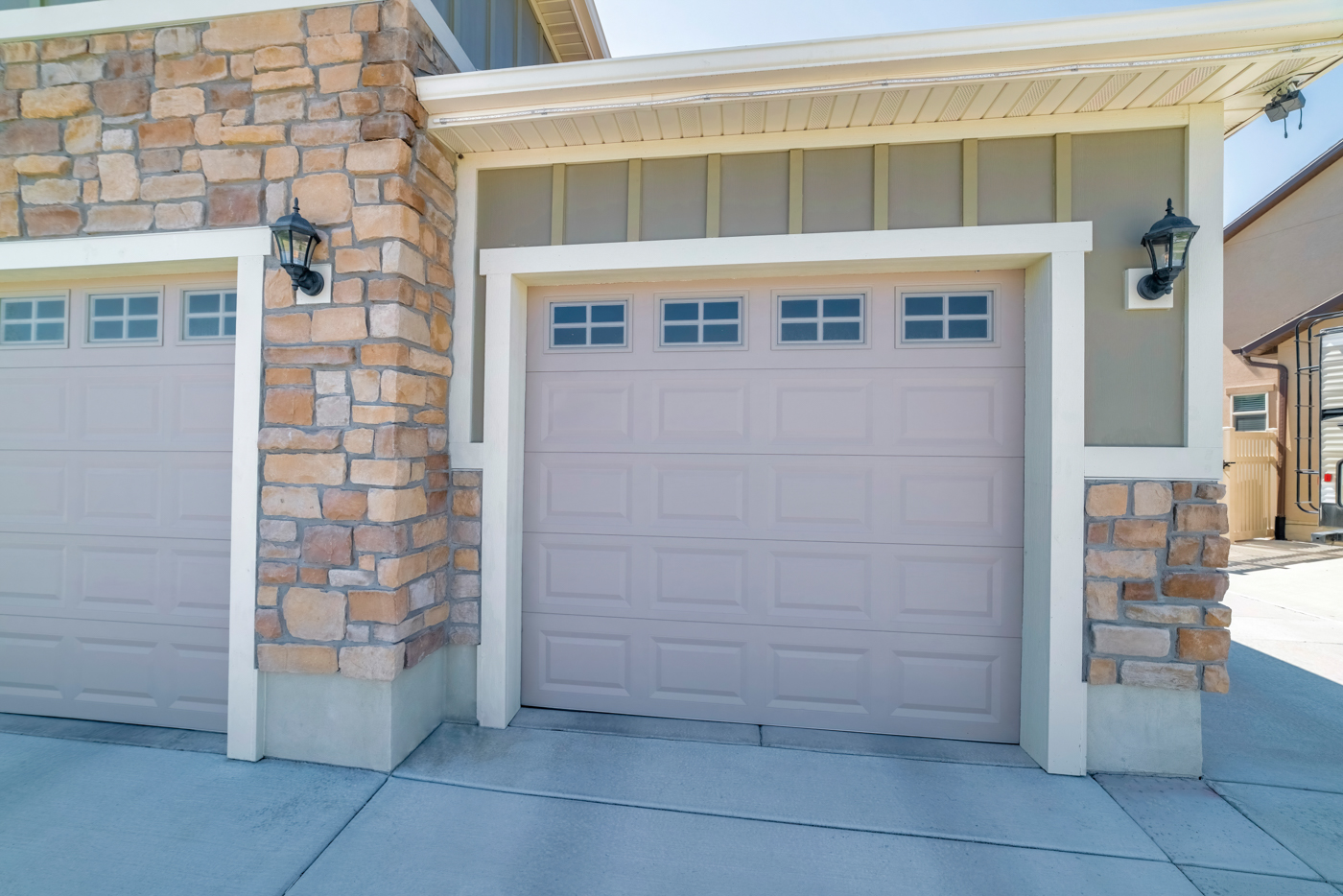
Common Garage Door Spring Problems and How to Spot Them
Rust and Corrosion
Canadian homeowners often deal with moisture issues, especially during the snowy winter and rainy spring seasons. Salt used on driveways and roads can also accelerate rusting. When garage door springs begin to rust, it weakens the metal and causes them to break prematurely.
You can prevent rust by regularly lubricating your springs with a silicone-based lubricant and keeping your garage well-ventilated. If rust has already started to appear, it may be time to consider a full replacement garage door system or at least replacing the affected parts.
Spring Fatigue and Metal Fatigue
Over time, the constant tension and release cycle causes metal fatigue in garage door springs. This is a natural result of wear and tear but can be worsened by lack of maintenance or exposure to harsh weather.
Signs of metal fatigue include sagging of the door, uneven lifting, or a noticeable decrease in spring tension. If your door starts to feel heavier or you hear a loud “pop” or “bang,” it’s likely a spring has snapped and needs immediate attention.
Improper Spring Sizing or Installation
Incorrectly sized springs will cause operational issues and reduce the lifespan of your garage door. Too weak, and the door won’t lift properly; too strong, and the opener will have to work too hard, leading to early failure.
Always ensure that new springs are correctly matched to your door’s weight and height. Our expert installation services ensure your replacement garage door springs for overhead garage doors are properly calibrated for long-term performance.
Worn or Broken Hardware
Springs don’t work alone. They rely on brackets, cables, and pulleys to function smoothly. If any of these parts fail, it puts added strain on the springs. Check for:
- Frayed or loose cables
- Worn pulleys or bearings
- Loose mounting brackets
If one component is damaged, it’s often more cost-effective to perform a full service rather than replace just one part. This might include upgrading to a replacement garage door opener or lock mechanism as part of your repair.
Extending the Life of Your Garage Door System
Replace Springs in Pairs
If one spring breaks, the other is likely not far behind. Replacing both at the same time ensures balanced lifting and prevents uneven wear. It also saves you from paying for a second service call shortly after the first.
Professionals will always recommend replacing both springs, even if only one has failed. This ensures that your garage door works efficiently and safely.
Upgrade to High-Cycle Springs
Standard springs are rated for around 10,000 cycles, but high-cycle options can last up to 25,000 cycles. These are ideal for busy households that use the garage door multiple times a day.
While high-cycle springs may cost more upfront, they offer better long-term value by reducing the need for frequent replacement. Ask about high-cycle options when consulting our professional garage door repair services.
Check and Replace Weather Stripping
Weather stripping helps keep moisture and debris out of your garage, which in turn protects your springs and other metal components from rust and corrosion. If your weather stripping is cracked or missing, it’s time to replace garage door weather stripping to protect your investment.
This is especially important in Canadian climates where snow and rain can quickly lead to water damage inside your garage.
Inspect the Opener and Remote System
When springs begin to fail, the opener often compensates by working harder. This added strain can lead to premature failure of your opener or remote system.
If your opener is sluggish or unresponsive, it may be time for a replacement garage door opener. Similarly, if your remote isn’t functioning reliably, a replacement garage door remote can improve convenience and functionality.
Secure the System with an Updated Lock Mechanism
After spring replacement or any major repair, it’s smart to assess your garage door’s security. A replacement garage door lock mechanism can help keep your home secure and may be required if the door has been realigned or upgraded.
Look for locks that are compatible with your door model and offer extra resistance against forced entry—a key concern for Canadian homeowners in urban areas.
How Canadian Weather Impacts Garage Door Springs
Cold Temperatures and Metal Brittleness
In provinces like Ontario, Alberta, and Quebec, winter temperatures can dip well below freezing. Cold weather makes metal more brittle, increasing the chances of springs snapping under tension.
To counteract this, make sure your springs are regularly lubricated and check them after every major cold snap. A sudden drop in temperature can expose weaknesses in aging springs.
Humidity and Rust Formation
In coastal regions such as British Columbia or Newfoundland, high humidity levels can lead to accelerated rusting. This not only affects the springs but also the tracks, cables, and other metal parts.
Ventilation and dehumidifiers can help reduce moisture levels inside your garage. Also, inspect your springs more frequently if you live in a humid climate, and consider applying a rust-resistant coating during regular maintenance.
Snow and Ice Buildup
Snow and ice can block garage door tracks or freeze moving parts, forcing the opener and springs to work harder. If your garage door is sticking in winter, the added resistance could overstrain the springs.
Clear snow and ice from around the base of your garage door regularly. Also, check that your bottom seal and weather stripping are intact to prevent ice from forming inside the door mechanism.
When You Should Consider Full Garage Door Replacement
Multiple Components Have Failed
If more than just the springs are worn out—such as the opener, tracks, or panels—it may be more cost-effective to invest in a replacement garage door. Modern systems offer better energy efficiency, improved safety features, and quieter operation.
Our team at Prime Core can help you assess whether individual part replacement or full system replacement is the right solution for your home.
Frequent Repairs Are Adding Up
If you’re calling for service every few months, it may be time to stop patching and start fresh. By upgrading your entire garage door system, you’ll save money in the long run and reduce the inconvenience of recurring issues.
A full upgrade will include new high-cycle springs, tracks, opener, and safety sensors—all installed to meet Canadian standards.
Outdated System Poses Safety Risks
Older garage doors may not have modern safety features like auto-reverse, manual release, or secure locking mechanisms. If your door lacks these features or doesn’t comply with current Canadian building codes, it’s a good idea to consider an upgrade.
For homeowners concerned about safety and security, contact Prime Core for a reliable garage door installation that meets today’s standards.
Cost Considerations for Spring and System Maintenance
Budgeting for Spring Replacement
As mentioned earlier, the replacement garage door spring cost typically ranges from $150 to $350 per spring in Canada. This includes the cost of parts and professional installation.
Springs for larger or specialty doors may be more expensive, particularly if custom winding or sizing is needed. High-cycle springs may also carry a premium but offer better long-term value.
Comparing Repair vs. Replacement Costs
Here’s a quick look at average Canadian costs:
- Spring replacement: $150–$350 per spring
- Replace garage door weather stripping: $50–$150
- Replacement garage door opener: $300–$600
- Replacement garage door panels: $250–$800 depending on material
- Replacement garage door remote: $40–$100
If total repair costs exceed 50% of the price of a new door, replacement may be the smarter option—especially if your current system is over 15 years old.
Warranty and Service Guarantees
At Prime Core, we stand behind our work with Canadian-backed warranties and service guarantees. Whether you’re replacing just the springs or upgrading the entire system, you can trust our certified team to deliver dependable, long-lasting results.
Conclusion: Keep Your Garage Door Springs in Peak Condition
Maintaining your garage door springs isn’t just about preventing breakdowns—it’s about protecting your home, extending the life of your entire system, and saving money on costly repairs. In Canada’s ever-changing climate, proactive care is key.
From seasonal maintenance and rust prevention to spotting early signs of wear, Canadian homeowners have every reason to keep a close eye on their garage door springs. And when replacement is necessary, trust Prime Core to provide expert service that’s professional, safe, and compliant with Canadian standards.
Whether you need to replace spring on garage door, upgrade to high-cycle options, or install a full replacement garage door, we’ve got you covered.
Contact Prime Core today to schedule your inspection or spring replacement—we’re here to help keep your garage door safe, reliable, and ready for every Canadian season.
