

Learn how access control systems can significantly improve office security in Canadian buildings. Discover key technologies like electronic access, keycard systems, and practical strategies for managing employee access and commercial security effectively.
Understanding Access Control Systems for Canadian Offices
In today’s fast-paced work environment, securing your commercial space is more important than ever. A strong access control system is no longer a luxury—it’s a necessity for any Canadian office building. Whether you manage a small downtown office or a large corporate complex, controlling workplace access helps protect your employees, assets, and sensitive information.
Modern security systems go beyond traditional locks and keys. With the rise in technology and the increasing need for flexible work arrangements, businesses across Canada are turning to electronic access solutions like keycard systems and biometric entry. These systems not only enhance office security but also streamline building management for property owners and tenants alike.
This article explores everything you need to know about access control systems for Canadian office buildings—from system types and key components to implementation strategies and compliance considerations. You’ll also learn practical tips to strengthen your commercial security and how a trusted office locksmith can support your setup and maintenance.
What Is an Access Control System?
Access control is a method of regulating who can enter a building, room, or area within a facility. Unlike traditional locks, modern systems use technology to automate and monitor employee access and building access. This allows for better security, more detailed tracking, and greater flexibility.
Types of Access Control Systems
There are different types of systems to suit various business needs. Each offers its own level of control, reporting, and user management. Some common types include:
1. Discretionary Access Control (DAC)
This is the most flexible type, allowing business owners or administrators to decide who gets access to specific areas. It’s common in smaller or less-sensitive office spaces but may not provide the highest level of commercial security.
2. Mandatory Access Control (MAC)
MAC systems are more rigid and typically used in high-security environments such as government buildings. Access is granted strictly based on pre-defined policies and labels, making it harder for unauthorized users to gain entry.
3. Role-Based Access Control (RBAC)
RBAC is one of the most widely used systems in Canadian office settings. Access is granted based on a user’s role within the organization—like HR, IT, or Executive. This helps simplify workplace access management while maintaining strong security standards.
Common Components of an Access Control System
Modern systems come with a variety of components that work together to ensure secure and seamless building access. These include:
- Access Cards or Key Fobs: Used by employees to gain entry. Can be easily deactivated if lost or stolen.
- Card Readers: Installed at entry points to verify credentials.
- Control Panel: The central hub that processes access requests and grants or denies entry.
- Electronic Locks: These replace traditional locks and unlock when access is granted.
- Management Software: Allows administrators to control access levels, run reports, and track activity in real time.
Integration with Other Security Systems
Most modern security systems integrate access control with surveillance cameras, alarm systems, and emergency response protocols. This provides a more comprehensive approach to office security and supports compliance with Canadian workplace safety regulations.
Why Access Control Is Critical for Office Security
Canadian offices are increasingly targeted for theft, data breaches, and unauthorized entry. Implementing robust access control solutions helps prevent these issues while simplifying building management. Here’s why it matters:
Protecting Employees and Assets
Controlling who enters your office space is essential to ensure employee safety and protect valuable assets like computers, servers, and confidential documents. With keycard systems or biometric access, unauthorized individuals can’t just walk in, reducing the risk of theft or harm.
Tracking and Monitoring Employee Access
Access control systems allow you to track who enters and exits different areas of the building in real time. This is essential not only for security systems but also for emergency situations like evacuations or safety drills. You’ll know exactly who is inside the building at any given time.
Limiting Access to Sensitive Areas
Not every staff member needs access to every room. Areas like the server room, HR office, or finance department may contain sensitive data. With employee access controls, you can restrict entry to authorized personnel only, reducing the risk of data leaks or internal fraud.
Reducing Key Management Hassles
Traditional keys are easy to lose, duplicate, or misuse. Electronic keycard systems eliminate the need to rekey locks when an employee leaves or loses a card. You can simply deactivate the card from the system and issue a new one without disrupting business operations.
Improving Security Compliance
In Canada, many industries must adhere to strict data privacy and safety laws. Access control helps you meet these regulations by providing audit trails and ensuring only authorized personnel can access private areas. This is especially important in sectors like finance, healthcare, and law.
If you need expert locksmith assistance in setting up security systems that comply with local building codes, contact our certified technicians at Prime Core for help.
Key Technologies in Modern Access Control Systems
Technology continues to shape how we secure our work environments. Today’s access control options are smarter, more secure, and easier to manage than ever before. Let’s explore the most popular options available to Canadian offices.
Keycard and Fob Systems
These are among the most common solutions in commercial spaces. Employees are issued a card or key fob that contains a unique identifier. When scanned at a reader, the system checks their credentials and grants or denies workplace access.
- Pros: Easy to manage, cost-effective, scalable for small and large offices.
- Cons: Can be lost or stolen, though cards can be quickly deactivated.
Biometric Access Control
This high-tech solution uses fingerprints, facial recognition, or iris scanning to authorize entry. It’s ideal for areas requiring strict security, such as data centres or executive offices. While more expensive, it greatly reduces the risk of unauthorized access.
Mobile Credentials
With the increase in mobile technology, many systems now allow employees to use their smartphones for building access. These applications often integrate with other systems and use Bluetooth or NFC (Near Field Communication) to open doors.
- Pros: Convenient, secure, reduces need for physical cards.
- Cons: Requires mobile device compatibility and user training.
Cloud-Based Access Control
Cloud-based systems are rising in popularity for their flexibility and remote management capabilities. Admins can update permissions, monitor access, and run reports from any device, anywhere in the world. This is especially helpful for companies with multiple locations across Canada.
For professional locksmith services that can help you integrate cloud solutions into your existing setup, visit our locksmith services page for more information.
Two-Factor Authentication (2FA)
For added security, many systems now use 2FA. This might combine a keycard with a PIN code, or a biometric scan with a mobile credential. It adds an extra layer of protection for critical areas or high-level employees.
Designing an Effective Access Control Strategy
Installing a system is just one part of the puzzle. To truly benefit from commercial security solutions, your business needs a well-thought-out strategy tailored to your building and employees.
Assessing Your Office Space
Start by evaluating which areas need access control. This may include:
- Main entrances and exits
- Private offices or executive suites
- Server rooms and IT departments
- Storage areas for confidential files or expensive equipment
Consider your layout, the number of employees, and traffic patterns. Every Canadian office is unique, so your system should reflect your specific needs.
Setting Access Levels
Not all employees need access to all areas. Group staff into roles—such as management, HR, and operations—and assign access levels accordingly. This helps reduce risk and makes the system easier to manage.
Integrating with Building Management Systems
Many Canadian office buildings already use advanced building management platforms to control lighting, HVAC, and energy use. Integrating your access control with these systems allows for smarter automation and improved efficiency. For example, lights and heating can turn on only when someone enters a room.
Training Employees
Even the best system fails without proper user education. Train your staff on how to use their access credentials, what to do if they lose them, and how to report suspicious activity. Regular refreshers help maintain security awareness across the workplace.
If you’re unsure where to start or need help with installation, Prime Core’s office locksmith experts can guide you through the process from consultation to implementation.
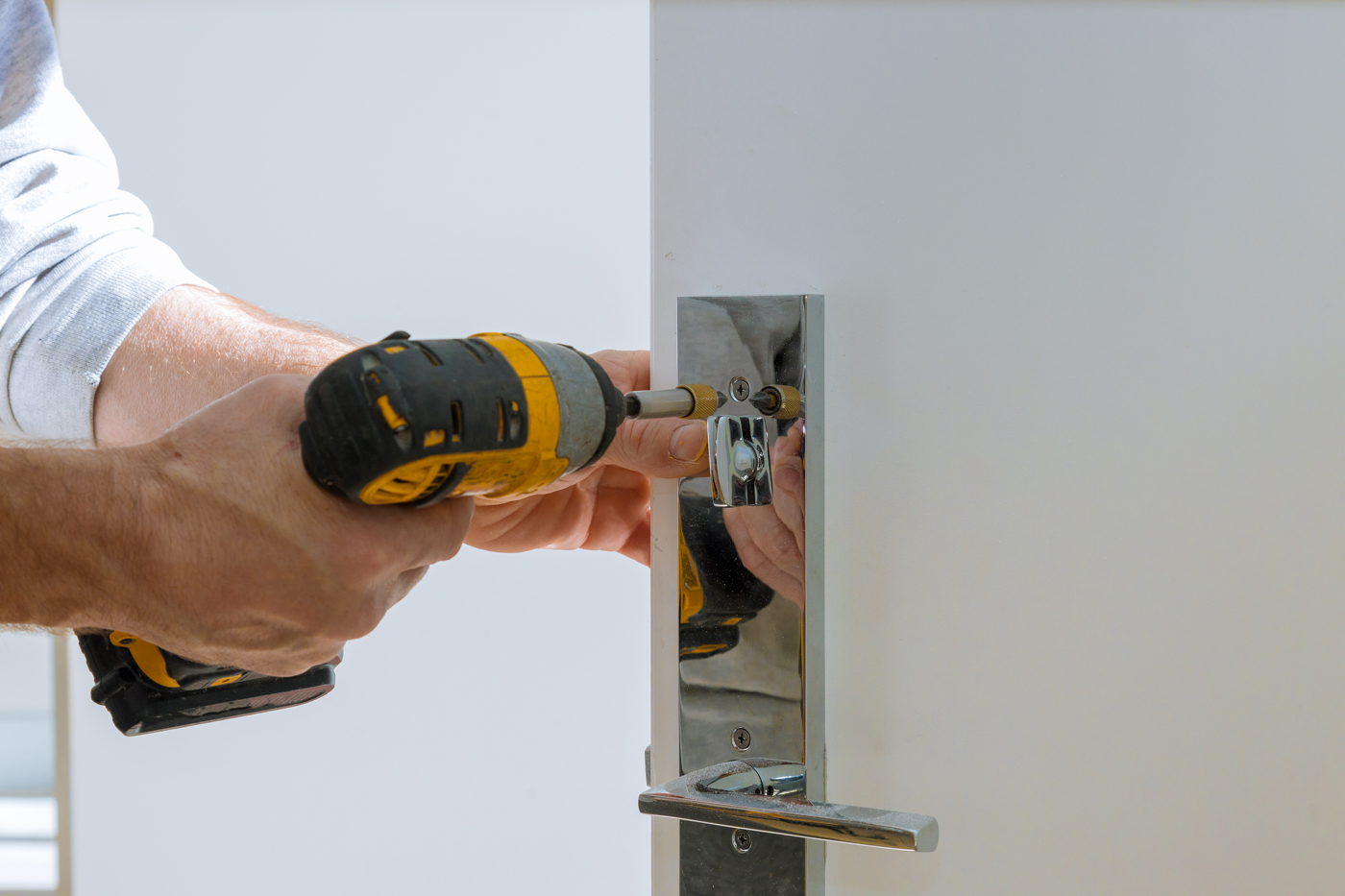
Maintaining and Upgrading Access Control Systems
Once your access control system is installed, it’s important to keep it running smoothly. Regular maintenance, timely upgrades, and monitoring can help your system stay effective and compliant with Canadian safety standards. In this section, we’ll explore how to maintain your system, when to consider upgrades, and why professional locksmith services are essential for long-term success.
Routine Maintenance for System Reliability
Just like any other technology, security systems need consistent upkeep to function properly. Without regular maintenance, access control components like card readers or electronic locks may become unreliable or malfunction, putting your building’s security at risk.
What to Include in a Maintenance Plan
- Test hardware regularly: Check card readers, biometric scanners, and door strikes to ensure they work as intended.
- Inspect credentials: Review employee keycards and fobs to verify they’re not damaged or outdated.
- Update software: Ensure the management platform is running the latest version to avoid bugs or vulnerabilities.
- Audit access logs: Monitor who’s entering and exiting the building and flag any unusual activity.
Many Canadian businesses schedule bi-annual or quarterly inspections to catch issues early and stay compliant with industry safety regulations. This is especially important for companies in regulated sectors like healthcare or finance.
Knowing When to Upgrade Your Access Control
Technology evolves quickly. What worked five years ago may not meet today’s standards for commercial security. If your system is outdated or lacks modern features, it may be time to consider an upgrade.
Signs You Need an Upgrade
- Your system doesn’t support mobile or cloud access.
- It lacks integration with your building’s management system.
- You’re experiencing frequent hardware failures.
- It’s difficult to manage user permissions or generate reports.
- You’ve expanded your office space or added new locations.
Upgrading to a newer system with features like mobile credentials, cloud-based control, and video surveillance integration can greatly enhance your building’s office security and efficiency.
For businesses considering a system refresh or expansion, our certified technicians at Prime Core can assess your setup and recommend the best solutions for your environment.
Compliance and Legal Considerations in Canada
Access control systems don’t just protect your workplace—they also help your business stay on the right side of Canadian laws and regulations. Whether you’re based in Ontario, Alberta, or British Columbia, certain standards apply to how building access and employee data are managed.
Understanding Canadian Privacy Laws
Access control systems collect personal data, such as entry logs or biometric information. In Canada, this falls under privacy laws like the Personal Information Protection and Electronic Documents Act (PIPEDA). Your company is responsible for collecting, storing, and using this data legally and ethically.
Best Practices for Privacy Compliance
- Limit data collection: Only collect what’s necessary for office security.
- Secure storage: Use encrypted storage and access controls on your data management systems.
- Employee consent: Inform staff about what data is collected and how it’s used.
- Retention policies: Set clear guidelines on how long access logs and biometric data are stored.
Failing to comply with privacy laws can result in fines, legal challenges, and damage to your brand. Make sure your policies are reviewed regularly and updated to reflect changes in legislation.
Building Code and Safety Standards
Canadian building codes also play a role in how you install and manage access control systems. For example, electronic locks must not interfere with emergency exits or fire safety protocols. All systems must allow for safe evacuation during power outages or emergency situations.
This is especially important in multi-tenant office buildings, where common areas must remain accessible without compromising security. A well-designed system balances employee access with emergency needs.
If you’re unsure whether your system meets local codes, contact our professional locksmith services for a compliance audit and expert advice tailored to your location in Canada.
Choosing the Right Access Control Partner
Installing and maintaining a secure, compliant, and user-friendly system requires more than just equipment. You need a knowledgeable partner who understands both the technology and Canadian regulations. Working with an experienced office locksmith is the best way to ensure your setup is done right.
What to Look For in a Security Partner
- Local expertise: Choose a provider familiar with Canadian laws and building codes.
- Comprehensive services: From consultation and installation to maintenance and upgrades.
- Custom solutions: Your building and business are unique—your system should be too.
- Prompt support: Fast response times for repairs, upgrades, and emergencies.
Prime Core offers professional locksmith services across Canada, with a focus on commercial and office security. Our team works closely with property managers, business owners, and IT departments to craft custom solutions that protect your people and property.
Benefits of Working with Prime Core
Whether you need a full system installation or a simple upgrade, Prime Core provides end-to-end service. Here’s what sets us apart:
- Certified technicians trained in the latest access control technologies
- Fast response times and ongoing system support
- In-depth knowledge of Canadian privacy and safety laws
- Flexible service plans to match your budget and scale
From downtown Toronto to Vancouver’s tech hubs, we’ve helped offices across Canada improve workplace access and commercial security. If you’re ready to upgrade or need advice, schedule a consultation with our team today.
Practical Tips for Office Managers and Property Owners
Managing an access control system doesn’t have to be complicated. With a proactive approach and a few smart practices, you can keep your system effective, secure, and easy to use.
Tip #1: Implement a Clear Access Policy
Every employee should understand how the system works and what’s expected of them. Develop a written access policy that covers:
- How to request access to restricted areas
- Procedures for lost or stolen keycards
- Rules around sharing credentials (hint: they shouldn’t)
- Steps to take in an emergency
Review this policy during onboarding and offer updates as needed. A well-informed team is your first line of defence against security issues.
Tip #2: Conduct Regular Access Audits
Over time, employee roles change, and people come and go. Conduct quarterly or bi-annual audits to ensure that access permissions are still appropriate. Remove credentials for former employees and adjust roles as needed.
Tip #3: Prepare for Power Outages and Emergencies
Make sure your access control system has a backup power source, such as a battery or generator. Test these backups regularly. Also, confirm that emergency doors can be opened from the inside during a crisis—this is a legal requirement in all Canadian provinces.
Tip #4: Keep Credentials Secure
Encourage employees to treat keycards and access fobs like personal IDs. They should never be left unattended or shared. Consider investing in multi-factor authentication for high-risk areas to add an extra layer of protection.
Tip #5: Stay Informed About Technology Trends
Technology moves fast. Keep an eye on emerging trends in electronic access and building automation. Features like AI-powered analytics, remote lockdown capabilities, and mobile integrations are becoming more common—and more affordable for medium-sized offices.
For help staying current, Prime Core offers tailored system reviews and upgrade consultations. We’ll keep your system modern, efficient, and aligned with Canadian best practices.
Conclusion: Secure Your Canadian Office with Confidence
Effective access control is more than just convenience—it’s a cornerstone of modern office security. With the right system, you can protect employees, secure sensitive data, and streamline building management across your Canadian office.
From keycard systems to cloud-based platforms, today’s security systems offer powerful tools to manage workplace access. But to get the most out of these tools, you need a strategy tailored to your building, your business, and your people.
Whether you’re upgrading an old system or installing one for the first time, Prime Core’s professional locksmith services can support you every step of the way. With our experience, local knowledge, and commitment to security, we’re proud to be the trusted partner for offices across Canada.
Ready to take the next step in securing your workplace? Contact our certified technicians today for a free consultation and find out how we can help you build a safer, smarter office environment.
